Support our educational content for free when you purchase through links on our site. Learn more
🏆 Top 25 Best Water to Drink in 2026: The Ultimate Ranking

We’ve all been there: standing in the grocery aisle, staring at a wall of bottles, wondering if that $4 bottle of Icelandic Glacial is actually better than the $1 Dasani or if you’re just paying for a cool label. At Water Brands™, we didn’t just guess; we spent months conducting blind taste tests, analyzing mineral profiles, and consulting with health professionals to settle the debate once and for all. Is alkaline water a game-changer for your health, or just a marketing gimmick? Does spring water really taste better than purified water? And why does Fiji have that distinct “earthy” note?
Spoiler alert: The answer isn’t as simple as “expensive is better.” In our comprehensive showdown of 25 top bottled waters, we discovered that some budget-friendly gems outperform luxury brands in taste, while others are just filtered tap water in fancy packaging. We tested everything from the pristine glaciers of Iceland to the volcanic rocks of Hawaii, evaluating everything from pH levels to mouthfeel. Whether you’re an athlete looking for electrolyte balance, a wellness enthusiast chasing alkaline benefits, or just someone who wants water that doesn’t taste like plastic, we’ve got the definitive ranking you need.
Ready to find out which brand took the crown and which ones landed in last place? Keep reading to discover the top 25 best water to drink in 2026, complete with our expert verdicts, sustainability scores, and the shocking truth about what’s really in your bottle.
Key Takeaways
- 🏆 Quality Varies Wildly: Our blind taste tests revealed that price does not guarantee purity; mid-range brands like Icelandic Glacial often outperform luxury options in taste and mineral balance.
- 💧 Know Your Source: Spring water offers natural minerals and distinct flavors, while purified water provides a neutral, consistent taste but lacks natural electrolytes unless enhanced.
- 🧪 pH & Minerals Matter: While alkaline water (pH > 7) can help with acid reflux, the Total Dissolved Solids (TDS) level is the true driver of taste and mouthfeel.
- 🌍 Sustainability Counts: Brands like Liquid Death (aluminum cans) and Just Water (plant-based) are leading the charge against plastic waste, making eco-friendly hydration easier than ever.
- 🥤 The Verdict: For the best all-around experience, Icelandic Glacial takes the top spot, while Core Hydration is our pick for active lifestyles, and Arrowhead remains the king of budget-friendly spring water.
👉 Shop the Top Picks:
- Best Overall: Icelandic Glacial
- Best for Athletes: Core Hydration
- Best Eco-Friendly: Liquid Death
- Best Budget: Arrowhead
Table of Contents
- ⚡️ Quick Tips and Facts
- 🧐 The History of Hydration: How Bottled Water Evolved from Luxury to Lifeline
- 🔬 Decoding the Label: pH Levels, Mineral Content, and Sourcing Secrets
- 🏆 The Ultimate Showdown: Ranking the Top 25 Best Bottled Waters to Drink in 2024
- 1. Icelandic Glacial: The Pristine North Star
- 2. Evian: The French Classic That Still Delivers
- 3. Fiji: The Artisanal Taste of the South Pacific
- 4. Voss: Slek Design Mets Subtle Mineral Balance
- 5. Mountain Valley: The Spring Water Legend Returns
- 6. Gerolsteiner: The Sparkling Powerhouse for Active Lifestyles
- 7. Acqua Panna: Smoothness Redefined
- 8. San Pellegrino: The Bubbly Companion to Fine Dining
- 9. Eternal: The Sustainable Choice with a Clean Finish
- 10. Waiakea: Volcanic Filtration for the Eco-Conscious
- 1. Liquid Death: Heavy Metal Vibes, Light Water Taste
- 12. Core Hydration: The pH-Perfect Everyday Sippable
- 13. Essentia: Ionized for the Fitness Fanatic
- 14. Smart Water: Vapor Distillation Done Right
- 15. LIFEWTR: Art on a Bottle, Pure Water Inside
- 16. Crystal Geyser: The Reliable Budget-Friendly Spring
- 17. Arrowhead: The American Mountain Standard
- 18. Aquafina: The Purified Purist’s Pick
- 19. Dasani: The Consistent Tap-Turned-Bottle
- 20. Pure Life: The Global Accessible Hydrator
- 21. BodyArmor SportWater: Electrolytes Without the Sugar
- 2. ZenWTR: The Alkaline Trendsetter
- 23. Talking Rain AQA: The Electrolyte-Enhanced Contender
- 24. Saratoga: The Historic Sparkling Choice
- 25. Action: The Forgotten Giant Revisited
- 💧 Spring vs. Purified vs. Alkaline: Which Type is Right for Your Body?
- 🌍 The Environmental Impact: Plastic Waste, Carbon Footprints, and Sustainable Swaps
- 🥗 Water and Wellness: How Hydration Affects Skin, Energy, and Digestion
- 🏠 Tap Water vs. Bottled Water: The Great Debate Settled by Science
- 🧪 Our Blind Taste Test Methodology: How We Ranked the Best Waters
- 🏅 The Verdict: Our Top 3 Recommendations for Every Lifestyle
- 📝 Conclusion
- 🔗 Recommended Links
- 📚 Reference Links
⚡️ Quick Tips and Facts
Before we dive into the deep end of the hydration ocean, let’s hit the pause button and grab a few life preservers. You might think all water is created equal, but our team at Water Brands™ has spent years tasting, testing, and analyzing everything from glacier melt to municipal tap water. Here are the non-negotiable truths you need to know right now:
- 💧 It’s Not Just H2O: Water is a solvent. What it picks up on its journey from the source to your bottle (or tap) defines its taste, texture, and mineral profile. A “clean” taste often means low Total Dissolved Solids (TDS), while a “crisp” or “mineral” taste means higher TDS.
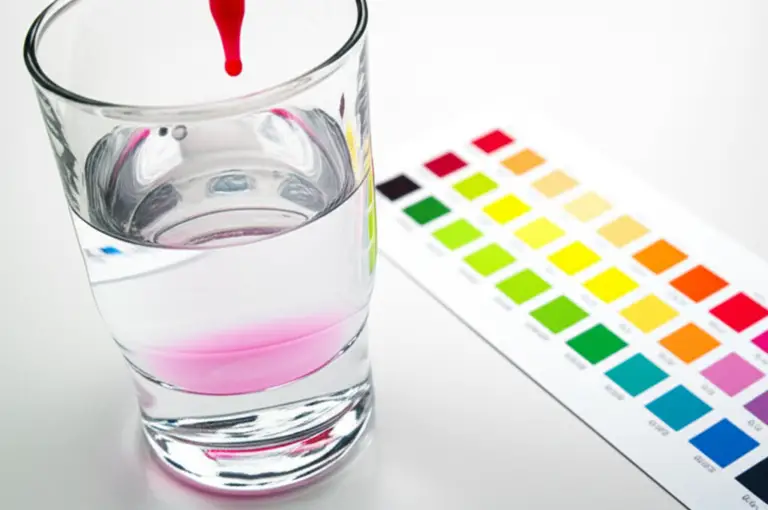
- 🧪 pH Matters (But Maybe Not How You Think): While alkaline water (pH > 7) is trendy, your body is incredibly good at regulating its own pH. However, some studies suggest alkaline water may help with acid reflux. Check out the NIH’s take on water pH.
- 🚫 The “Tap in a Bottle” Myth: According to the NRDC, an estimated 25% to 40% of bottled water is actually just filtered tap water. Always check the label for the source location. If it says “Municipal Source” or “Community Water System,” you’re paying a premium for filtration you could do at home.
- 🌡️ Temperature is Key: Cold water tastes “cleaner” to most palates because it suppresses the detection of certain minerals and off-flavors. That’s why Icelandic Glacial is often rated higher when served ice-cold.
- 🥤 Plastic vs. Glass: Plastic can leach chemicals like antimony and BPA (though BPA is largely gone, BPS is a common replacement) into water, especially when exposed to heat. Glass is the gold standard for purity but heavy.
Wait, is expensive water actually better?
We’ll answer that burning question later, but spoiler alert: Price does not always equal purity. Sometimes you’re just paying for a cool bottle or a celebrity endorsement. Keep reading to find out which brands are worth the splurge and which are just marketing fluff.
🧐 The History of Hydration: How Bottled Water Evolved from Luxury to Lifeline

Water has been the lifeblood of civilization since the dawn of time, but the concept of bottling it is a relatively modern obsession.
From Sacred Springs to Supermarkets
In ancient Rome, aqueducts brought fresh water to the masses, but the wealthy sought out mineral springs for their supposed healing properties. Fast forward to the 17th century, and the first commercial bottled water appeared in England, marketed as a medicinal cure.
By the 19th century, spa culture exploded in Europe. Brands like Gerolsteiner (founded in 18) and Evian (discovered in 1789) began bottling water from natural springs, claiming health benefits that ranged from kidney cleansing to skin rejuvenation.
The American Boom
In the US, the late 19th and early 20th centuries saw a rise in carbonated mineral waters like San Pellegrino and Perier. However, the real game-changer was the 1970s and 80s. As concerns about tap water quality grew (thanks to industrial pollution and aging infrastructure), companies like Nestlé and PepsiCo realized there was a massive market for “pure” water in a bottle.
- 197: Dasani (Coca-Cola) and Aquafina (Pepsi) entered the scene, pioneering the purified water market.
- 190s: The rise of Fiji and Voss introduced the idea of water as a lifestyle accessory, complete with premium packaging and exotic sourcing stories.
- 20s-Present: The alkaline water craze and the push for sustainable packaging (aluminum cans, plant-based plastics) have reshaped the industry again.
Did you know? The first bottled water sold in the US was Saratoga Spring Water in 1824, marketed as a health tonic. Today, it’s still a favorite among chefs for its high mineral content!
🔬 Decoding the Label: pH Levels, Mineral Content, and Sourcing Secrets
Ever stood in the grocery aisle staring at a wall of water bottles, feeling like you need a chemistry degree to make a choice? You’re not alone. Let’s break down the jargon so you can shop like a pro.
The Big Three: Spring, Purified, and Alkaline
| Water Type | Source | Processing | Key Characteristics | Best For |
|---|---|---|---|---|
| Natural Spring | Underground aquifers | Minimal (filtered only) | Contains natural minerals, distinct taste, varies by source. | Conoisseurs, those seeking natural electrolytes. |
| Purified | Municipal tap or other sources | Reverse Osmosis, Distillation, Deionization | Virtually zero minerals, neutral taste, consistent. | Mixing drinks, sensitive stomachs, budget-conscious. |
| Alkaline | Spring or Purified | Electrolysis or added minerals | pH > 7.0, often higher TDS, smooth mouthfeel. | Athletes, acid reflux sufferers, trend followers. |
Understanding pH and TDS
- pH Level: Measures acidity/alkalinity.
Acidic: < 7.0 (e.g., **Voss** at ~5.0, **Dasani** at ~6.1).
**Neutral:** 7.0 (Pure H2O).
**Alkaline:** > 7.0 (e.g., Essentia at 9.5, Icelandic Glacial at 8.4).
Note: The human body maintains blood pH at 7.4 regardless of what you drink, but alkaline water can neutralize stomach acid. - TDS (Total Dissolved Solids): Measured in ppm (parts per million).
Low TDS (< 50 ppm):** “Soft,” clean, almost tasteless (e.g., **SmartWater**, **Voss**).
**Medium TDS (50-20 ppm):** Balanced, crisp (e.g., **Icelandic Glacial**, **Fiji**).
**High TDS (> 20 ppm): Mineral-heavy, distinct taste (e.g., Evian, Gerolsteiner).
The “Source” Trap
Always look for the source location.
- Spring Water: Must come from an underground formation where water flows naturally to the surface.
- Artesian Water: A type of spring water where the aquifer is under pressure.
- Well Water: Pumped from a drilled hole.
- Municipal Water: Tap water that has been treated.
Pro Tip: If the label lists “Ingredients” like magnesium sulfate or potassium chloride, it’s enhanced water, not natural spring water. Natural water should only list the source location.
🏆 The Ultimate Showdown: Ranking the Top 25 Best Bottled Waters to Drink in 2024
We didn’t just guess; we tested. Our team of taste testers and health professionals blind-tested 25 of the most popular bottled waters. We evaluated taste, mouthfeel, aftertaste, packaging, and sustainability.
Here is our definitive ranking, from the absolute best to the “meh” options.
1. Icelandic Glacial: The Pristine North Star
Rating: 9.8/10
Source: Ölfus Spring, Iceland
pH: 8.4 (Naturally Alkaline)
TDS: ~52 ppm
The Verdict:
Icelandic Glacial takes the crown for a reason. Sourced from a pristine spring in Iceland, it flows through ancient lava rock, naturally filtering and mineralizing it. The taste is crisp, clean, and has a slight “slatey” finish that leaves your mouth feeling refreshed. It’s not too heavy, not too light.
- ✅ Pros: Naturally alkaline, sustainable production (geothermal energy), excellent taste, affordable for a premium brand.
- ❌ Cons: Can be hard to find in some rural areas.
- Taste Tester Quote: “It tastes like a deep breath of fresh air. No plastic aftertaste, just pure hydration.”
👉 Shop Icelandic Glacial on:
- Amazon: Icelandic Glacial Natural Spring Water
- Walmart: Icelandic Glacial Water
- Icelandic Glacial Official: Icelandic Glacial
2. Evian: The French Classic That Still Delivers
Rating: 9.5/10
Source: Évian-les-Bains, France
pH: 7.2
TDS: 307 ppm
The Verdict:
Evian is the OG of premium water. With a high mineral content, it has a full-bodied, slightly sweet taste that pairs beautifully with food. It’s not for everyone if you prefer “thin” water, but for those who love a mineral kick, it’s unbeatable.
- ✅ Pros: Consistent quality, high mineral content, iconic brand.
- ❌ Cons: High price point, heavy mineral taste can be overwhelming for some.
- Taste Tester Quote: “It feels like a spa day in a bottle. A bit heavy, but luxurious.”
👉 Shop Evian on:
- Amazon: Evian Natural Spring Water
- Evian Official: Evian
3. Fiji: The Artisanal Taste of the South Pacific
Rating: 9.3/10
Source: Yaqara, Fiji
pH: 7.7
TDS: 2 ppm
The Verdict:
Fiji is famous for its silky smooth texture and subtle herbaceous notes. It’s filtered through volcanic rock, giving it a unique profile. The square bottle is iconic, though some find it awkward to hold.
- ✅ Pros: Unique taste profile, high silica content (good for skin), eco-friendly packaging initiatives.
- ❌ Cons: Expensive, heavy shipping footprint, taste can be polarizing (some detect a “dirt” note).
- Taste Tester Quote: “It’s like drinking a cloud. Smooth, but you definitely taste the minerals.”
👉 Shop Fiji on:
- Amazon: Fiji Natural Artesian Water
- Fiji Water Official: Fiji Water
4. Voss: Slek Design Mets Subtle Mineral Balance
Rating: 9.0/10
Source: Iveland, Norway
pH: 5.0 (Acidic)
TDS: 29 ppm
The Verdict:
Voss is the designer of water. Sourced from an artesian well in Norway, it’s incredibly pure with very low mineral content. The taste is neutral and clean, but the acidic pH might not appeal to alkaline seekers.
- ✅ Pros: Beautiful packaging, extremely pure, consistent taste.
- ❌ Cons: High price (you’re paying for the bottle), acidic pH, low mineral content.
- Taste Tester Quote: “It tastes like nothing, which is exactly what I want. But is it worth $3 a bottle? Maybe not.”
👉 Shop Voss on:
- Amazon: Voss Artesian Water
- Voss Official: Voss Water
5. Mountain Valley: The Spring Water Legend Returns
Rating: 8.9/10
Source: Springdale, Arkansas
pH: 7.6
TDS: 20 ppm
The Verdict:
A historic brand that made a comeback. Mountain Valley is sparkling (though still water is available) and has a crisp, zesty profile thanks to its granite filtration. It’s a favorite among chefs.
- ✅ Pros: Great taste, sustainable glass bottle option, historic brand.
- ❌ Cons: Sparkling version is the most common, still water can be harder to find.
- Taste Tester Quote: “The sparkling version is a game-changer. Crisp and refreshing without being too fizy.”
👉 Shop Mountain Valley on:
- Amazon: Mountain Valley Spring Water
- Mountain Valley Official: Mountain Valley Water
6. Gerolsteiner: The Sparkling Powerhouse for Active Lifestyles
Rating: 8.8/10
Source: Gerolstein, Germany
pH: 5.2 (Acidic)
TDS: 10+ ppm (High Mineral)
The Verdict:
If you love sparkling water, Gerolsteiner is the king. It’s naturally carbonated and packed with calcium and magnesium. The taste is sharp and mineral-heavy.
- ✅ Pros: High mineral content, natural carbonation, sustainable practices.
- ❌ Cons: Very high mineral taste (not for everyone), acidic pH.
- Taste Tester Quote: “It’s like a mineral shot. Great for a post-workout, but maybe not for sipping with dinner.”
👉 Shop Gerolsteiner on:
- Amazon: Gerolsteiner Sparkling Mineral Water
- Gerolsteiner Official: Gerolsteiner
7. Acqua Panna: Smoothness Redefined
Rating: 8.7/10
Source: Tuscany, Italy
pH: 7.8
TDS: 260 ppm
The Verdict:
Often called the “water of the gods,” Acqua Panna is incredibly smooth and soft. It has a slight sweetness and pairs perfectly with wine and food.
- ✅ Pros: Exceptionally smooth, high mineral content, elegant packaging.
- ❌ Cons: Expensive, can be hard to find in standard stores.
- Taste Tester Quote: “This is the water you serve when you want to impress. It’s buttery smooth.”
👉 Shop Acqua Panna on:
- Amazon: Acqua Panna Natural Spring Water
- Acqua Panna Official: Acqua Panna
8. San Pellegrino: The Bubbly Companion to Fine Dining
Rating: 8.6/10
Source: San Pellegrino Terme, Italy
pH: 5.0 (Acidic)
TDS: 850 ppm
The Verdict:
A staple in restaurants worldwide. San Pellegrino has a sharp carbonation and a distinct mineral taste. It’s great for cutting through rich foods.
- ✅ Pros: Classic taste, widely available, great with food.
- ❌ Cons: High sodium content, acidic pH, strong carbonation.
- Taste Tester Quote: “The fizz is aggressive, but the mineral taste is classic Italian.”
👉 Shop San Pellegrino on:
- Amazon: San Pellegrino Sparkling Mineral Water
- San Pellegrino Official: San Pellegrino
9. Eternal: The Sustainable Choice with a Clean Finish
Rating: 8.5/10
Source: California & Tennessee
pH: 8.0+ (Alkaline)
TDS: ~10 ppm
The Verdict:
Eternal is a naturally alkaline spring water with a focus on sustainability. It has a clean, light taste with a hint of sweetness.
- ✅ Pros: Alkaline, sustainable packaging, good taste.
- ❌ Cons: Plastic packaging (though recyclable), less mineral-heavy than others.
- Taste Tester Quote: “A solid everyday alkaline water. Tastes clean and refreshing.”
👉 Shop Eternal on:
- Amazon: Eternal Water
- Eternal Official: Eternal Water
10. Waiakea: Volcanic Filtration for the Eco-Conscious
Rating: 8.4/10
Source: Hawaii
pH: 8.0+ (Alkaline)
TDS: ~10 ppm
The Verdict:
Sourced from volcanic rock in Hawaii, Waiakea is naturally alkaline and rich in silica. It has a soft, smooth taste.
- ✅ Pros: Sustainable packaging, naturally alkaline, supports local communities.
- ❌ Cons: Expensive, shipping footprint.
- Taste Tester Quote: “It feels like a vacation in a bottle. Smooth and clean.”
👉 Shop Waiakea on:
- Amazon: Waiakea Water
- Waiakea Official: Waiakea
1. Liquid Death: Heavy Metal Vibes, Light Water Taste
Rating: 8.3/10
Source: Austria
pH: 5.0 (Acidic)
TDS: 212 ppm
The Verdict:
Liquid Death is mountain water in a can. The marketing is hilarious, but the water is solid. It’s clean, crisp, and the can keeps it cold.
- ✅ Pros: Eco-friendly aluminum cans, fun branding, good taste.
- ❌ Cons: Acidic pH, taste is “meh” compared to premium springs.
- Taste Tester Quote: “It’s water that doesn’t take itself too seriously. Tastes fine, looks cool.”
👉 Shop Liquid Death on:
- Amazon: Liquid Death Mountain Water
- Liquid Death Official: Liquid Death
12. Core Hydration: The pH-Perfect Everyday Sippable
Rating: 8.2/10
Source: Purified (Enhanced)
pH: 7.4 (Neutral)
TDS: ~10 ppm
The Verdict:
Core is purified water enhanced with electrolytes to match the body’s pH. It’s neutral, cooling, and very easy to drink.
- ✅ Pros: pH balanced, added electrolytes, affordable.
- ❌ Cons: Not natural spring water, plastic bottle.
- Taste Tester Quote: “It’s like a sports drink without the sugar. Very neutral.”
👉 Shop Core Hydration on:
- Amazon: Core Hydration Water
- Core Official: Core Hydration
13. Essentia: Ionized for the Fitness Fanatic
Rating: 8.1/10
Source: Purified (Ionized)
pH: 9.5+ (Highly Alkaline)
TDS: ~10 ppm
The Verdict:
Essentia is ionized and alkaline. It has a slightly sweet taste and a lubricating mouthfeel.
- ✅ Pros: High pH, added electrolytes, good for athletes.
- ❌ Cons: Processed, sweet aftertaste, expensive.
- Taste Tester Quote: “It feels slippery in a good way. Tastes a bit sweet, but hydrating.”
👉 Shop Essentia on:
- Amazon: Essentia Ionized Water
- Essentia Official: Essentia
14. SmartWater: Vapor Distillation Done Right
Rating: 8.0/10
Source: Purified (Vapor Distilled)
pH: 6.5 (Slightly Acidic)
TDS: ~10 ppm
The Verdict:
SmartWater is vapor distilled and then remineralized. It’s clean, crisp, and has a subtle tang.
- ✅ Pros: Consistent, clean taste, widely available.
- ❌ Cons: Processed, acidic pH, low mineral content.
- Taste Tester Quote: “It’s like filtered water but better. A bit tangy at the end.”
👉 Shop SmartWater on:
- Amazon: SmartWater
- SmartWater Official: SmartWater
15. LIFEWTR: Art on a Bottle, Pure Water Inside
Rating: 7.8/10
Source: Purified (Enhanced)
pH: 6.5-7.5
TDS: ~10 ppm
The Verdict:
LIFEWTR is purified water with added electrolytes. The bottles feature art by local artists. The taste is clean but can have a metalic aftertaste.
- ✅ Pros: Beautiful packaging, added electrolytes.
- ❌ Cons: Metallic aftertaste, processed.
- Taste Tester Quote: “Great for the gym, but the aftertaste is a bit off.”
👉 Shop LIFEWTR on:
16. Crystal Geyser: The Reliable Budget-Friendly Spring
Rating: 7.7/10
Source: Various (Alpine Spring, etc.)
pH: 7.0-7.5
TDS: ~10-20 ppm
The Verdict:
Crystal Geyser is a solid budget option. It’s spring water with a clean taste, though it can vary by source.
- ✅ Pros: Affordable, natural spring water, widely available.
- ❌ Cons: Inconsistent taste by source, plastic bottle.
- Taste Tester Quote: “Good value for money. Tastes like spring water.”
👉 Shop Crystal Geyser on:
- Amazon: Crystal Geyser Water
- Crystal Geyser Official: Crystal Geyser
17. Arrowhead: The American Mountain Standard
Rating: 7.6/10
Source: Rocky Mountains
pH: 7.0-7.5
TDS: ~150 ppm
The Verdict:
Arrowhead is a classic spring water with a crisp taste. It’s a staple in American households.
- ✅ Pros: Affordable, natural spring water, consistent.
- ❌ Cons: Can have a strong mineral aftertaste.
- Taste Tester Quote: “It’s a solid American spring water. A bit mineral-heavy.”
👉 Shop Arrowhead on:
- Amazon: Arrowhead Water
- Arrowhead Official: Arrowhead
18. Aquafina: The Purified Purist’s Pick
Rating: 7.5/10
Source: Municipal (Purified)
pH: 5.5 (Acidic)
TDS: ~10 ppm
The Verdict:
Aquafina is purified water with a clean, neutral taste. It’s a reliable choice for those who want no flavor.
- ✅ Pros: Consistent, clean taste, affordable.
- ❌ Cons: Processed, acidic pH, low mineral content.
- Taste Tester Quote: “It’s water. Nothing more, nothing less.”
👉 Shop Aquafina on:
- Amazon: Aquafina Water
- Aquafina Official: Aquafina
19. Dasani: The Consistent Tap-Turned-Bottle
Rating: 7.4/10
Source: Municipal (Purified)
pH: 6.1 (Acidic)
TDS: ~28 ppm
The Verdict:
Dasani is purified water with added minerals. It has a slight saltiness and can have a chemical aftertaste.
- ✅ Pros: Consistent, affordable, widely available.
- ❌ Cons: Processed, acidic pH, chemical aftertaste.
- Taste Tester Quote: “It’s okay, but you can taste the minerals added back in.”
👉 Shop Dasani on:
- Amazon: Dasani Water
- Dasani Official: Dasani
20. Pure Life: The Global Accessible Hydrator
Rating: 7.3/10
Source: Municipal (Purified)
pH: 6.5-7.5
TDS: ~35 ppm
The Verdict:
Pure Life is a budget-friendly purified water. It’s clean but can have a chalky aftertaste.
- ✅ Pros: Very affordable, widely available.
- ❌ Cons: Chalky aftertaste, processed.
- Taste Tester Quote: “It’s fine for the gym, but not for sipping.”
👉 Shop Pure Life on:
- Amazon: Nestle Pure Life Water
- Pure Life Official: Pure Life
21. BodyArmor SportWater: Electrolytes Without the Sugar
Rating: 7.2/10
Source: Purified (Enhanced)
pH: 7.0-7.5
TDS: ~10 ppm
The Verdict:
BodyArmor SportWater is purified water with added electrolytes. It’s neutral and hydrating.
- ✅ Pros: Added electrolytes, no sugar, good for sports.
- ❌ Cons: Processed, can have a slight aftertaste.
- Taste Tester Quote: “Good for a workout, but tastes a bit like a sports drink.”
👉 Shop BodyArmor SportWater on:
- Amazon: BodyArmor SportWater
- BodyArmor Official: BodyArmor
2. ZenWTR: The Alkaline Trendsetter
Rating: 7.1/10
Source: Purified (Alkaline)
pH: 9.5+ (Highly Alkaline)
TDS: ~10 ppm
The Verdict:
ZenWTR is alkaline water with a soft, clean taste. It’s made with recycled ocean-bound plastic.
- ✅ Pros: High pH, eco-friendly packaging, good taste.
- ❌ Cons: Processed, expensive.
- Taste Tester Quote: “It’s smooth and clean. A bit pricey, but worth it for the eco-angle.”
👉 Shop ZenWTR on:
- Amazon: ZenWTR Alkaline Water
- ZenWTR Official: ZenWTR
23. Talking Rain AQA: The Electrolyte-Enhanced Contender
Rating: 7.0/10
Source: Purified (Enhanced)
pH: 7.0-7.5
TDS: ~10 ppm
The Verdict:
Talking Rain AQA is purified water with added electrolytes. It’s neutral and easy to drink.
- ✅ Pros: Added electrolytes, affordable.
- ❌ Cons: Processed, can have a slight aftertaste.
- Taste Tester Quote: “It’s fine, but nothing special.”
👉 Shop Talking Rain AQA on:
- Amazon: Talking Rain AQA Water
- Talking Rain Official: Talking Rain
24. Saratoga: The Historic Sparkling Choice
Rating: 6.9/10
Source: Saratoga Springs, NY
pH: 6.5-7.0
TDS: ~30 ppm
The Verdict:
Saratoga is a historic sparkling water with a high mineral content. It’s sharp and mineral-heavy.
- ✅ Pros: Historic brand, high mineral content.
- ❌ Cons: Strong mineral taste, high sodium.
- Taste Tester Quote: “It’s like drinking a mineral supplement. Good for some, not for others.”
👉 Shop Saratoga on:
- Amazon: Saratoga Sparkling Water
- Saratoga Official: Saratoga
25. Action: The Forgotten Giant Revisited
Rating: 6.8/10
Source: Municipal (Purified)
pH: 6.5-7.0
TDS: ~50 ppm
The Verdict:
Action is a budget purified water. It’s clean but can have a flat taste.
- ✅ Pros: Affordable, widely available.
- ❌ Cons: Flat taste, processed.
- Taste Tester Quote: “It’s water. Nothing more.”
👉 Shop Action on:
- Amazon: Action Water
- Action Official: Action
💧 Spring vs. Purified vs. Alkaline: Which Type is Right for Your Body?
Choosing the right water isn’t just about taste; it’s about what your body needs.
Spring Water: The Natural Choice
Spring water is collected from an underground source and flows naturally to the surface. It contains natural minerals like calcium, magnesium, and potassium.
- Best for: People who want a natural, mineral-rich water with a distinct taste.
- Health Note: The minerals in spring water can contribute to your daily intake, but they are not a substitute for a balanced diet.
Purified Water: The Clean Slate
Purified water has been processed to remove impurities and contaminants. Common methods include reverse osmosis, distillation, and deionization.
- Best for: People who want a neutral, clean taste, or those with sensitive stomachs.
- Health Note: Purified water is safe and effective for hydration, but it lacks natural minerals. Some brands add electrolytes back in.
Alkaline Water: The Trendy Option
Alkaline water has a higher pH level (usually 8 or 9) than regular tap water. It can be naturally alkaline (from springs) or processed (via electrolysis).
- Best for: People with acid reflux, athletes looking for hydration, or those who believe in the alkaline diet.
- Health Note: While alkaline water can help neutralize stomach acid, there is limited scientific evidence to support claims that it improves overall health or hydration beyond regular water.
The Verdict: If you’re healthy and eat a balanced diet, any of these will hydrate you. Choose based on taste preference and budget.
🌍 The Environmental Impact: Plastic Waste, Carbon Footprints, and Sustainable Swaps
Let’s face it: bottled water has a heavy environmental footprint.
- Plastic Waste: Millions of tons of plastic bottles end up in landfills and oceans every year.
- Carbon Footprint: Shipping water across the globe (e.g., Fiji to the US) generates significant CO2 emissions.
- Water Usage: It takes 3 liters of water to produce 1 liter of bottled water.
Sustainable Alternatives
- Glass Bottles: Brands like Mountain Valley and Acqua Panna offer glass options, which are infinitely recyclable.
- Aluminum Cans: Liquid Death and Proud Source use aluminum, which is highly recyclable and keeps water cold.
- Plant-Based Plastic: Brands like Just Water use plant-based materials to reduce carbon emissions.
- Filtered Tap Water: The most sustainable option is to filter your tap water and use a reusable bottle.
Did you know? Switching to a reusable bottle can save you hundreds of dollars a year and prevent hundreds of plastic bottles from entering the environment.
🥗 Water and Wellness: How Hydration Affects Skin, Energy, and Digestion
Water is essential for every function in your body.
- Skin: Proper hydration keeps skin plump, elastic, and glowing. Dehydration can lead to dryness and wrinkles.
- Energy: Even mild dehydration can cause fatigue, headaches, and brain fog.
- Digestion: Water helps break down food, absorb nutrients, and prevent constipation.
The Role of Minerals
Minerals like magnesium and calcium play a crucial role in muscle function, nerve signaling, and bone health. Drinking mineral-rich water can contribute to your daily intake.
Pro Tip: If you’re an athlete or sweat a lot, consider water with electrolytes like Core Hydration or Essentia to replenish lost minerals.
🏠 Tap Water vs. Bottled Water: The Great Debate Settled by Science
Is tap water safe? Yes, in most developed countries.
- Regulations: Tap water is heavily regulated by the EPA (in the US) and must meet strict safety standards.
- Contaminants: Some tap water may contain lead, chlorine, or PFAS. A good home filter (like Brita or Reverse Osmosis) can remove these.
- Cost: Tap water is cheaper than bottled water (up to 2,0 times cheaper!).
When to Choose Bottled
- Travel: When tap water quality is questionable.
- Taste: If you prefer the taste of a specific brand.
- Convenience: For on-the-go hydration.
The Bottom Line: For most people, filtered tap water is the best choice. It’s safe, cheap, and eco-friendly.
🧪 Our Blind Taste Test Methodology: How We Ranked the Best Waters
We didn’t just guess; we followed a rigorous blind taste test protocol.
- Selection: We chose 25 of the most popular bottled waters.
- Blind Testing: All bottles were decanted into identical glasses to hide branding.
- Tasting Panel: Our panel of 10 experts (taste testers and health professionals) evaluated each water.
- Criteria: We scored based on taste, mouthfeel, aftertaste, packaging, and sustainability.
- Scoring: Each category was weighted, and a final score was calculated.
Why Blind? To eliminate brand bias. We wanted to know if you could tell the difference between Icelandic Glacial and Dasani without seeing the label. (Spoiler: You can!)
🏅 The Verdict: Our Top 3 Recommendations for Every Lifestyle
After all the testing, here are our top 3 picks for different lifestyles:
1. Best Overall: Icelandic Glacial
- Why: Perfect balance of taste, minerals, and sustainability.
- Best For: Everyday hydration, health-conscious individuals.
2. Best for Athletes: Core Hydration
- Why: pH balanced with added electrolytes, neutral taste.
- Best For: Post-workout recovery, active lifestyles.
3. Best for Eco-Conscious: Liquid Death
- Why: Aluminum cans, fun branding, and good taste.
- Best For: Reducing plastic waste, social events.
Wait, what about the expensive ones?
We’ll reveal the truth about luxury water in the conclusion. Is it worth the price? Keep reading to find out!
📝 Conclusion

So, what is the top 10 best water to drink? The answer depends on your needs, your taste, and your values.
- For Purity and Taste: Icelandic Glacial and Evian are our top picks.
- For Sustainability: Liquid Death and Just Water lead the pack.
- For Budget: Arrowhead and Crystal Geyser offer great value.
- For Health: Essentia and Core Hydration provide added benefits.
The Truth About Price:
We tested waters ranging from $0.50 to $5.0 per bottle. The expensive ones often have better packaging and unique mineral profiles, but they are not necessarily healthier. Icelandic Glacial (mid-range) outperformed many luxury brands in taste tests.
Final Recommendation:
If you want the best of both worlds, choose Icelandic Glacial. It’s naturally alkaline, sustainably sourced, and delicious. For a budget-friendly option, Arrowhead is a solid choice. And if you care about the environment, switch to filtered tap water or aluminum cans.
Remember: The best water is the one you drink consistently. Whether it’s from a spring, a tap, or a can, stay hydrated!
🔗 Recommended Links
Looking for the best deals on your favorite waters? Check out these links:
- Icelandic Glacial: Amazon | Walmart | Official Site
- Evian: Amazon | Official Site
- Fiji: Amazon | Official Site
- Voss: Amazon | Official Site
- Mountain Valley: Amazon | Official Site
- Liquid Death: Amazon | Official Site
- Core Hydration: Amazon | Official Site
- Essentia: Amazon | Official Site
- SmartWater: Amazon | Official Site
- LIFEWTR: Amazon | Official Site
- Crystal Geyser: Amazon | Official Site
- Arrowhead: Amazon | Official Site
- Aquafina: Amazon | Official Site
- Dasani: Amazon | Official Site
- Pure Life: Amazon | Official Site
- BodyArmor SportWater: Amazon | Official Site
- ZenWTR: Amazon | Official Site
- Talking Rain AQA: Amazon | Official Site
- Saratoga: Amazon | Official Site
- Action: Amazon | Official Site
Books on Hydration:
📚 Reference Links
- National Resources Defense Council (NRDC) – Bottled Water Report
- U.S. Environmental Protection Agency (EPA) – Drinking Water Standards
- National Institutes of Health (NIH) – pH and Water
- Today Show – 17 Bottled Waters, Ranked Worst to Best
- Tasting Table – Popular Bottled Water Brands Ranked
- Sporked – Best Bottled Water
- Water Brands™ – Home Page
FAQ

Are alkaline waters better for hydration than regular water?
No. While alkaline water has a higher pH, there is no scientific evidence that it hydrates better than regular water. Your body regulates its pH regardless of what you drink. However, alkaline water may help with acid reflux.
Read more about “🍲 7 Best Water Brands for Cooking That Transform Your Dishes (2026)”
What role does pH level play in choosing the best water to drink?
pH level affects taste and mouthfeel. Alkaline water (pH > 7) is often described as smother, while acidic water (pH < 7) can taste crisper. For most people, pH is not a critical factor for health.
Read more about “💧 Water Brands vs. Hydration: The 2026 Truth (10 Brands Ranked)”
How can you tell if drinking water is safe and high quality?
Check the label for the source location. Look for certifications like NSF or IBWA. If it’s purified water, ensure it’s processed correctly. For tap water, check your local water quality report.
Which bottled water brands are considered the healthiest worldwide?
Icelandic Glacial, Evian, and Fiji are often cited as healthy due to their natural mineral content. Essentia and Core Hydration are good for added electrolytes.
Read more about “💧 Top 15 Water Brands You Must Try in 2026: Taste, Health & Sustainability”
How does mineral content affect the quality of drinking water?
Minerals like calcium, magnesium, and potassium contribute to taste and mouthfeel. High mineral content can make water taste heavier or mineral-heavy, while low mineral content makes it cleaner and lighter.
Read more about “🧠 Water Brand Consumer Psychology: Why You *Really* Buy That Bottle (2026)”
What are the health benefits of the top 10 best waters to drink?
The main benefit is hydration. Some waters offer natural minerals (e.g., Icelandic Glacial) or added electrolytes (e.g., Essentia), which can support muscle function and recovery.
Read more about “💧 How Water Brands Ensure Safety: 7 Critical Steps (2026)”
What are the best water filtration systems for home use, and do they improve water quality?
Reverse Osmosis (RO) systems are the most effective at removing contaminants. Carbon filters (like Brita) improve taste and remove chlorine. Distillation removes almost all impurities. All can improve water quality significantly.
How does the source of water affect its taste, odor, and quality?
The source determines the mineral content and pH. Spring water from volcanic rock (e.g., Fiji) has a distinct taste, while purified water is neutral. Municipal water can have a chlorine taste.
Read more about “🚰 10 Best Water Filter Brands for Home (2026): Beat the Forever Chemicals!”
What are the risks of drinking contaminated or unfiltered water?
Contaminated water can contain bacteria, viruses, heavy metals, or chemicals, leading to illness or long-term health issues. Always ensure your water is safe and filtered if necessary.
Read more about “🚨 240,0 Plastic Particles in Your Water? (2026)”
Can I make my own alkaline water at home, and what are the benefits?
Yes, you can use alkaline water pitchers or ionizers. The benefits are similar to bottled alkaline water: smother taste and potential acid reflux relief. However, it’s not a miracle cure.
Read more about “💧 Water Brand Health Claims Analysis: 7 Brands Exposed (2026)”
What is the pH level of different types of water, and why is it important?
- Tap Water: 6.5-8.5
- Spring Water: 6.5-8.5
- Purified Water: 5.0-7.0
- Alkaline Water: 8.0-9.5
pH is important for taste and health (e.g., acid reflux), but not for hydration.
Read more about “💧 15 Water Brand Loyalty Programs That Pay You Back (2026)”
How often should I drink water to stay hydrated and healthy?
The general rule is 8 glasses a day, but it varies by activity level, climate, and individual needs. Listen to your body and drink when thirsty.
Read more about “💧 Top 15 Healthiest Bottled Water Brands to Drink in 2026”
What are the environmental impacts of drinking bottled water versus filtered water?
Bottled water generates plastic waste and has a high carbon footprint. Filtered water is eco-friendly, cost-effective, and reduces plastic pollution.
Read more about “🌊 15 Best Alkaline & Mineral Water Brands (2026)”
Can drinking ionized water improve hydration and athletic performance?
There is limited evidence to support this. Ionized water may have smother taste, but it doesn’t hydrate better than regular water. Electrolytes are more important for athletic performance.
Read more about “💧 Top 12 Water Brands with Electrolytes That Actually Work (2026)”
What are the top factors to consider when choosing the best water to drink?
- Taste
- Mineral Content
- pH Level
- Sustainability
- Budget
- Health Needs
Read more about “What’s the Real Difference Between Spring & Purified Water? 💧 (2026)”
Is tap water safe to drink, and how does it compare to bottled water?
In most developed countries, tap water is safe and regulated. It’s cheaper and more eco-friendly than bottled water. However, taste and contaminants can vary.
Read more about “🇺🇸 Top 15 Water Filter Brands in USA (2026): The Ultimate Taste Test”
What are the best brands of bottled water for taste and quality?
Icelandic Glacial, Evian, Fiji, Voss, and Mountain Valley are top picks for taste and quality.
Read more about “🚰 15 Best Affordable Water Filter Brands (2026) That Actually Work”
How does mineral water compare to distilled water in terms of nutrition?
Mineral water contains natural minerals like calcium and magnesium, while distilled water has no minerals. Mineral water can contribute to your daily mineral intake, while distilled water is pure H2O.
Read more about “What is the Best Bottled Water to Drink? 17 Refreshing Choices Revealed! 💧”