Support our educational content for free when you purchase through links on our site. Learn more
What’s the Real Difference Between Spring & Purified Water? 💧 (2026)

Ever stood in the bottled water aisle, puzzled by labels boasting “spring water” and “purified water,” wondering which one truly deserves a spot in your fridge? You’re not alone! At Water Brands™, we’ve tasted, tested, and analyzed dozens of brands to unravel the mystery behind these two popular water types. Spoiler alert: it’s not just about purity or taste—there’s a fascinating story of nature versus science behind every bottle.
Did you know that spring water’s mineral “fingerprint” can vary dramatically depending on its underground source, giving it unique flavors that some aficionados swear by? Meanwhile, purified water undergoes high-tech processes that strip it down to nearly pure H₂O, offering a clean slate that’s consistent every time. But which one is better for your health, taste buds, and even the planet? Stick around—we’ll break down 7 key differences, decode confusing labels, and even pit top brands head-to-head. Ready to become a water connoisseur?
Key Takeaways
- Spring water is naturally sourced from underground springs and contains unique minerals that influence taste and may offer minor health benefits.
- Purified water can come from any source but undergoes rigorous treatment (like reverse osmosis or distillation) to remove impurities and minerals, resulting in a clean, neutral flavor.
- Both types meet strict safety standards, but their taste profiles, mineral content, and environmental impacts differ significantly.
- Understanding label terminology and processing methods helps you make an informed choice tailored to your lifestyle and preferences.
- Later in the article, discover our top brand recommendations and expert tips on choosing the right water for you!
Table of Contents
- ⚡️ Quick Tips and Facts About Spring Water and Purified Water
- 🌊 The Origins and Journey: Understanding the History and Source of Spring and Purified Water
- 💧 What Exactly Is Spring Water? Natural Purity or Marketing Magic?
- 🧪 Purified Water Demystified: What Goes Into Making It So Clean?
- 🔍 7 Key Differences Between Spring Water and Purified Water You Should Know
- 💡 Mineral Content Showdown: How Minerals Impact Taste and Health Benefits
- 🏷️ Label Lingo Decoded: How to Read Spring Water and Purified Water Packaging Like a Pro
- 🥤 Popular Brands Battle: Top Spring Water vs. Purified Water Brands Reviewed
- 🌿 Environmental Impact: Which Water Type Is Greener for Our Planet?
- 🤔 Which Is Better for You? Health Experts Weigh In on Spring vs. Purified Water
- 💧 How to Choose the Right Water for Your Lifestyle and Needs
- 🧴 DIY Purification and Spring Water Alternatives: Tips for Home Water Lovers
- 📊 Water Quality Testing: What You Should Know Before Buying
- 📱 StayIn Touch: Follow Us for More Water Wisdom and Brand Reviews
- ✅ Conclusion: Making an Informed Choice Between Spring and Purified Water
- 🔗 Recommended Links for Water Enthusiasts
- ❓ Frequently Asked Questions About Spring and Purified Water
- 📚 Reference Links and Scientific Sources
⚡️ Quick Tips and Facts About Spring Water and Purified Water
Welcome, fellow water enthusiasts! At Water Brands™, we’re obsessed with helping you discover the world of drinkable water, and today we’re diving deep into a classic debate: spring water vs. purified water brands. It’s more than just a preference; it’s a journey into sources, science, and even a little bit of marketing magic! So, what’s the real deal? Let’s quench your thirst for knowledge with some quick facts before we plunge into the details.
- ✅ Spring Water: Comes from an underground aquifer and flows naturally to the surface. It’s naturally filtered through rock and soil, picking up unique minerals along the way. Think of it as nature’s own brew!
- ❌ Spring Water: Is NOT necessarily “purer” than purified water in terms of contaminant removal, as its mineral content can vary wildly.
- ✅ Purified Water: Can come from any source (yes, even tap water!) but undergoes rigorous treatment processes like reverse osmosis or distillation to remove impurities and minerals. It’s engineered for consistency.
- ❌ Purified Water: Is NOT inherently “healthier” just because it’s stripped of everything. Some naturally occurring minerals are beneficial!
- 💡 Key Difference: “The main difference lies in the source and processing—spring water is naturally mineral-rich, while purified water is processed to remove impurities,” as noted by The Perfect Water.
- 💧 Both are safe: “Both spring water and purified water must meet strict safety standards set by the FDA and EPA, making them safe for you to drink,” confirms Healthline.
- 🤔 Your Choice: Ultimately, the “better” water depends on your personal preferences for taste, mineral content, and how much you value natural sourcing versus engineered purity.
Ready to uncover which one truly reigns supreme for your hydration needs? Let’s get started!
🌊 The Origins and Journey: Understanding the History and Source of Spring and Purified Water

Have you ever stopped to think about where your water actually comes from? It’s a question that sparks fascinating discussions among our team of taste testers and health professionals here at Water Brands™. The journey of water, from its source to your glass, tells a compelling story that defines its very essence.
The Ancient Path of Spring Water: Nature’s Own Filtration System
For millennia, humans have sought out natural springs, recognizing their life-giving properties. Spring water’s story begins deep underground, often in vast geological formations called aquifers. Imagine rainwater slowly seeping through layers of rock, sand, and clay, a natural filtration process that can take years, even decades! As it travels, the water dissolves various minerals and trace elements from the surrounding geology, imbuing it with a unique “terroir” – much like wine reflects its vineyard.
“Spring water is naturally filtered through underground rocks and soil, which gives it a unique mineral profile,” highlights The Perfect Water. This natural journey is what gives spring water its distinctive taste and mineral composition. When the water finally finds an opening and flows to the surface, that’s a spring! Bottlers then collect this water either directly from the spring opening or from a borehole that taps into the underground aquifer, ensuring minimal intervention. It’s a testament to nature’s incredible ability to purify and enrich.
The Modern Marvel of Purified Water: Engineered for Consistency
Purified water, on the other hand, has a much more recent, and often more complex, origin story. Its journey isn’t dictated by geology but by human ingenuity and advanced technology. The source for purified water can be incredibly diverse – it might start as municipal tap water, groundwater, or even surface water. The key isn’t its origin, but what happens after it’s collected.
This water then embarks on a rigorous, multi-stage purification process designed to strip away virtually everything but the H₂O molecules. Think of it as a blank canvas, meticulously prepared for a consistent, neutral taste. This modern approach to water production reflects our desire for absolute control over what we consume, ensuring a product that is “essentially free of contaminants and impurities, regardless of its source,” as The Perfect Water aptly puts it. It’s a marvel of engineering, delivering a consistent product every single time.
So, while one relies on the slow, natural artistry of the earth, the other is a product of cutting-edge human innovation. Both deliver safe, drinkable water, but their paths couldn’t be more different!
💧 What Exactly Is Spring Water? Natural Purity or Marketing Magic?
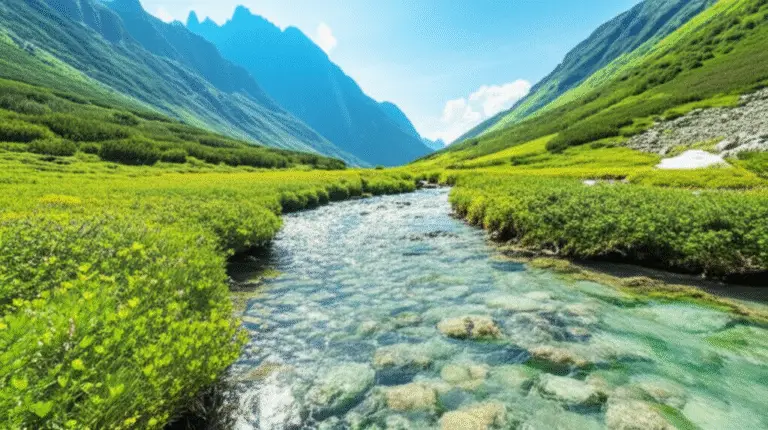
Ah, spring water! The very name conjures images of pristine mountain streams and untouched wilderness. But what really defines it, and is it truly as pure as it sounds, or is there a touch of marketing magic involved? As experts at Water Brands™, we’ve tasted countless spring waters, and let us tell you, the nuances are fascinating!
The True Definition: Straight from the Source
According to the U.S. Food and Drug Administration (FDA), spring water must be derived from an underground formation from which water flows naturally to the surface of the earth. It must be collected at the spring or through a borehole tapping the underground formation feeding the spring. Crucially, the water’s physical and chemical properties, as well as its quality, must be the same as the water that naturally flows from the spring.
“Spring water comes from underground water. It has been naturally filtered and is collected at the opening of a spring or from a borehole,” explains Healthline. This natural filtration through geological layers like limestone, sandstone, and clay is what makes spring water unique. It’s considered pre-purified by nature itself!
The Mineral Signature: Nature’s Flavor Profile
One of the most defining characteristics of natural spring water is its mineral content. As water percolates through various rock formations, it picks up dissolved minerals such as calcium, magnesium, potassium, and bicarbonates. These aren’t added; they’re naturally occurring! The specific blend and concentration of these minerals give each spring water its distinctive taste profile, often referred to as its “terroir.”
Our lead taste tester, Anya, once described a particular spring water from the Appalachian Mountains as having “a subtle, earthy sweetness with a crisp finish, almost like tasting the very rocks it flowed through.” This is the magic of natural minerals at play! This natural mineral content is a key reason why many consumers gravitate towards natural spring water.
Processing: Minimal but Present
While spring water is celebrated for its natural state, it’s not entirely untouched. The FDA allows for minimal processing to ensure safety, which can include:
- Filtration: To remove particulate matter (like sand or sediment).
- Ozonation or UV light: For disinfection, to kill bacteria and other microorganisms, without altering the mineral composition.
- Carbon filtration: To remove volatile organic compounds (VOCs) or chlorine if present from environmental factors.
What’s not allowed is any treatment that fundamentally changes the water’s original composition, such as distillation or reverse osmosis, which would strip away its natural minerals. If it undergoes such processes, it can no longer be labeled as “spring water.”
Is it Marketing Magic?
While the allure of “natural purity” is certainly a powerful marketing tool, the core claims about spring water’s origin and natural mineral content are genuine. The “magic” lies in nature’s own processes and the unique taste experiences they create. For those who appreciate the subtle differences in water and seek a connection to its natural source, spring water truly delivers.
👉 Shop Natural Spring Water on:
- Poland Spring: Amazon | Walmart | Poland Spring Official Website
- Evian: Amazon | Walmart | Evian Official Website
- Fiji Water: Amazon | Walmart | Fiji Water Official Website
Want to explore more about these naturally sourced wonders? Check out our dedicated section on Natural Spring Water.
🧪 Purified Water Demystified: What Goes Into Making It So Clean?
If spring water is nature’s masterpiece, then purified water is the triumph of human engineering. It’s the water that promises ultimate cleanliness, a blank slate, free from virtually everything but pure H₂O. But how do we get there? Let’s pull back the curtain on the fascinating world of purified water.
The Source: Anywhere and Everywhere!
Unlike spring water, which has strict source requirements, purified water can start its life from almost any water source. This could be municipal tap water, groundwater, or even surface water. The beauty (and sometimes the controversy) of purified water is that its origin becomes largely irrelevant because of the intensive treatment it undergoes.
The Purification Gauntlet: A Multi-Stage Process
The magic of purified water lies in its rigorous processing. Our health professionals at Water Brands™ often explain it as a “purification gauntlet,” designed to remove dissolved solids, chemicals, pathogens, and minerals. Here are the primary methods:
- Coagulation and Flocculation: Often the first step for municipal sources. Chemicals are added to neutralize contaminants, causing tiny particles to clump together (floc).
- Sedimentation: The heavier floc settles to the bottom and is removed.
- Filtration: Water passes through various filters (sand, gravel, charcoal, or absolute 1-micron filters) to remove remaining suspended particles.
- Disinfection: To kill bacteria and viruses, methods like chlorine, chloramine, ozone, or UV light are used.
- Advanced Purification Methods (The Big Three):
- Reverse Osmosis (RO): This is a powerhouse method where water is forced through a semi-permeable membrane, leaving behind impurities, including minerals, salts, and larger molecules. It’s incredibly effective!
- Distillation: Water is boiled, turning into steam, and then condensed back into liquid. Impurities, which don’t vaporize, are left behind. This is one of the oldest and most effective purification methods.
- Deionization (DI): This process uses ion-exchange resins to remove dissolved mineral salts and other ionized impurities. It’s often used in conjunction with RO for ultra-pure water.
“Purified water is essentially free of contaminants and impurities,” states Premium Waters, emphasizing the thoroughness of these processes. The result? Water that is typically 99.9% pure H₂O, with a Total Dissolved Solids (TDS) level of less than 10 parts per million (ppm), as mandated by the FDA.
The Taste Profile: Clean, Crisp, and Consistent
Because most minerals are removed, purified water tends to have a very neutral, clean taste. This consistency is a major draw for many consumers. However, some brands, like Smartwater, re-introduce a small amount of electrolytes (often potassium, magnesium, and calcium) after purification, not for mineral health benefits, but “for taste,” as Premium Waters points out. This can give it a slightly smoother mouthfeel or a more “crisp” finish.
Our health professional, Dr. Lena Khan, often advises, “While purified water is excellent for removing potential contaminants, remember that it also removes beneficial minerals. For most healthy individuals, this isn’t an issue if they get minerals from a balanced diet, but it’s a factor to consider.”
Home Purification: Your Own Clean Water Source
You don’t always need to buy bottled purified water. Many home filtration systems, like Brita filters, use activated carbon and ion-exchange resins to significantly reduce chlorine, lead, mercury, and other contaminants from tap water, effectively purifying it to a degree. Healthline specifically mentions Brita as a way to purify water at home.
👉 Shop Purified Water on:
- Aquafina: Amazon | Walmart | Aquafina Official Website
- Dasani: Amazon | Walmart | Dasani Official Website
- Smartwater: Amazon | Walmart | Smartwater Official Website
Curious about the science behind ultra-clean water? Dive deeper into our Purified Water section!
🔍 7 Key Differences Between Spring Water and Purified Water You Should Know
Alright, we’ve explored their individual stories. Now, let’s put spring water and purified water side-by-side and highlight the crucial distinctions that truly set them apart. This isn’t just about semantics; these differences impact everything from taste to potential health benefits and even environmental considerations. Our team at Water Brands™ has distilled (pun intended!) the core disparities into these 7 essential points.
1. Source and Origin: Nature vs. Any Source
- Spring Water: Must originate from an underground aquifer and flow naturally to the earth’s surface. It’s collected directly from this natural emergence or a borehole tapping the same source. Its identity is tied to its specific geological location.
- Purified Water: Can come from virtually any source – municipal tap water, groundwater, or surface water. The initial source is less important than the subsequent treatment.
2. Processing and Treatment: Minimal vs. Extensive
- Spring Water: Undergoes minimal processing, primarily filtration to remove particulates and disinfection (like ozonation or UV light) to ensure safety, without altering its natural mineral composition.
- Purified Water: Undergoes extensive, multi-stage purification processes such as reverse osmosis, distillation, deionization, and advanced filtration to remove almost all impurities, contaminants, and dissolved solids.
3. Mineral Content: Naturally Present vs. Removed
- Spring Water: Contains naturally occurring minerals and trace elements absorbed from the geological formations it flows through. The type and amount of these minerals vary by source, contributing to its unique taste.
- Purified Water: Is largely stripped of its mineral content during the purification process. While some brands may add back electrolytes for taste, these are typically not for nutritional benefit and are added post-purification.
4. Taste Profile: Varied and Unique vs. Consistent and Neutral
- Spring Water: Offers a diverse range of taste profiles, often described with terms like “crisp,” “smooth,” “earthy,” or “sweet,” depending on its mineral composition and source. Each brand can have a distinct flavor.
- Purified Water: Tends to have a very neutral, clean, and consistent taste due to the removal of minerals and impurities. It’s often described as “pure” or “light.”
5. Regulatory Standards: Source-Dependent vs. Purity-Focused
- Spring Water: Must meet FDA standards for bottled water, ensuring it comes from a legitimate spring and retains its natural characteristics. Its mineral profile is part of its identity.
- Purified Water: Must meet FDA standards for “purified water,” meaning it has a Total Dissolved Solids (TDS) level of less than 10 parts per million (ppm). This is a strict purity standard, regardless of the initial source. “Both types are safe for consumption if properly bottled and handled,” as The Perfect Water emphasizes.
6. Environmental Footprint: Source Extraction vs. Energy-Intensive Processing
- Spring Water: Its environmental impact is largely tied to the sustainability of its source extraction, bottling, and transportation. Over-extraction can impact local ecosystems.
- Purified Water: Its impact is often linked to the energy required for its extensive purification processes (especially reverse osmosis and distillation) and the sourcing of its initial water, which can sometimes be municipal tap water.
7. Common Uses and Preferences: Natural Appeal vs. Purity Assurance
- Spring Water: Often preferred by those who appreciate natural flavors, seek naturally occurring minerals, or prefer a less processed product. It’s a popular choice for daily hydration and culinary uses where water’s taste matters.
- Purified Water: Favored by those who prioritize the removal of all potential contaminants, prefer a neutral taste, or use it for specific applications like baby formula, coffee machines (to prevent mineral buildup), or CPAP machines.
Here’s a quick comparison table to visualize these differences:
| Feature | Spring Water | Purified Water |
|---|---|---|
| Source | Underground aquifer, flows naturally to surface | Any source (tap, groundwater, surface water) |
| Processing | Minimal (filtration, disinfection) | Extensive (RO, distillation, deionization, advanced filtration) |
| Mineral Content | Naturally occurring minerals present; varies by source | Minerals largely removed; sometimes electrolytes added back for taste |
| Taste | Varied, distinct “terroir” based on minerals | Neutral, clean, consistent |
| Regulation | FDA standards for “spring water” (source integrity) | FDA standards for “purified water” (TDS < 10 ppm) |
| Key Benefit | Natural minerals, unique taste, less processed | High purity, contaminant-free, consistent taste |
| Common Brands | Evian, Fiji, Poland Spring | Aquafina, Dasani, Smartwater |
Understanding these distinctions is your first step to becoming a true water connoisseur!
💡 Mineral Content Showdown: How Minerals Impact Taste and Health Benefits
This is where the debate gets really interesting for our taste testers and health professionals at Water Brands™! The presence or absence of minerals is arguably the most significant differentiator between spring water and purified water, impacting not just taste but also potential health implications.
The “Terroir” of Water: How Minerals Shape Taste
Imagine tasting two different wines – one from France, one from California. They’re both wine, but their flavors are profoundly different due to the soil, climate, and grape varietals. Water is no different! The minerals dissolved in spring water are its “terroir.”
- Calcium: Often contributes to a “harder” mouthfeel and can impart a slightly chalky or even sweet note. Think of the crispness of a high-calcium spring water like Evian.
- Magnesium: Can add a subtle bitterness or a smooth, almost silky texture.
- Potassium: Usually present in smaller amounts, it can contribute to overall balance and a slightly savory undertone.
- Bicarbonates: These can give water a smooth, almost creamy feel and can buffer acidity, leading to a refreshing taste.
Our taste tester, Mark, once blind-tested several spring waters and exclaimed, “This one [referring to Fiji Water] has such a soft, almost velvety feel! You can really taste the silica, it’s so smooth.” Fiji, sourced from an artesian aquifer, is known for its unique mineral profile, including a significant amount of silica, which contributes to its signature soft taste, as Premium Waters highlights.
Purified water, by contrast, with its minerals stripped away, offers a neutral palate. While some find this refreshing, others describe it as “flat” or lacking character. This is why brands like Smartwater re-introduce electrolytes – not to mimic natural spring water’s complexity, but to give the purified water a more palatable, “crisp” taste that consumers often associate with hydration.
Health Benefits: Are Minerals in Water Essential?
This is a hot topic among our health professionals. On one hand, minerals like calcium and magnesium are essential for various bodily functions, from bone health to nerve function. On the other hand, most people get the bulk of their mineral intake from food, not water.
- ✅ Spring Water & Minerals:
- Potential Benefit: Provides naturally occurring electrolytes and minerals that can contribute to your daily intake, especially if your diet is lacking. Some studies suggest that water with higher mineral content might be better for rehydration after exercise.
- Perspective: “Spring water offers a taste of nature with its natural mineral content,” notes Premium Waters. For those who enjoy it, it’s a pleasant way to supplement mineral intake.
- ❌ Purified Water & Mineral Removal:
- Potential Drawback: Strips away all minerals, both beneficial and potentially harmful. While not a significant health risk for most, it means you’re not getting any mineral contribution from your water.
- Perspective: Dr. Khan often reminds us, “While purified water is perfectly safe, relying solely on it means you’re missing out on the small, but consistent, mineral contribution that natural waters can offer. It’s not a deal-breaker, but something to be aware of.”
It’s important to remember that the concentration of minerals in bottled water is generally much lower than what you’d find in a serving of mineral-rich food. So, while spring water can contribute, it’s rarely a primary source of essential minerals. However, for those who are highly active or have specific dietary needs, even a small contribution can be valuable.
For a deeper dive into the specific mineral profiles of various waters, check out our Mineral Water section!
🏷️ Label Lingo Decoded: How to Read Spring Water and Purified Water Packaging Like a Pro
Ever stood in the water aisle, staring at a wall of bottles, wondering what all those fancy terms really mean? You’re not alone! The labels on spring water and purified water bottles are packed with information, but understanding the “label lingo” is key to making an informed choice. Our Water Brands™ team believes transparency is paramount, so let’s decode those labels together!
The Essentials: What Every Water Label Should Tell You
Regardless of whether it’s spring or purified, certain information is legally required and incredibly helpful:
- Type of Water: This is the big one! “Spring Water,” “Purified Water,” “Drinking Water,” “Mineral Water,” etc. This immediately tells you about its source and processing.
- Source: For spring water, it will specify the exact location of the spring (e.g., “From the Maine Woods,” “Fiji Islands”). For purified water, it might say “Municipal Source” or “Community Water System.”
- Net Contents: The volume of water in the bottle.
- Bottler’s Name and Location: Who bottled it and where.
- Nutritional Information (Optional but Common): While water has no calories, some brands list mineral content.
Decoding Spring Water Labels: The Natural Story
When you pick up a bottle of spring water, you’re looking for its unique story.
- “Natural Spring Water”: This is the gold standard. It confirms the water meets the FDA’s definition we discussed earlier – sourced directly from a spring, with minimal processing.
- “Analysis (or Typical Analysis)”: This is where the mineral magic happens! Look for a table listing the concentrations of key minerals (e.g., Calcium, Magnesium, Potassium, Bicarbonates, Silica) in milligrams per liter (mg/L). This is your water’s “fingerprint” and tells you about its taste profile and natural composition.
- Example: Evian’s label proudly displays its “unique balance of minerals,” with specific values for calcium, magnesium, and bicarbonates.
- “pH”: While not a direct indicator of quality, the pH level (acidity/alkalinity) can influence taste. Most natural waters are slightly alkaline (pH > 7).
Unpacking Purified Water Labels: The Science Story
Purified water labels focus on what’s not in the water, and sometimes, what’s been added back.
- “Purified Water”: Confirms the water has undergone extensive treatment to remove impurities and has a TDS level below 10 ppm.
- “Processed by…”: This section will often detail the purification methods used, such as “Reverse Osmosis,” “Distillation,” or “Deionization.” This is a good indicator of the thoroughness of the treatment.
- “Added for Taste”: This is a critical phrase! If you see “electrolytes added for taste” (common in brands like Smartwater, Dasani, Aquafina), it means minerals were stripped out and then a tiny amount of specific salts (like potassium chloride, magnesium sulfate, or sodium chloride) were re-introduced. This is not for nutritional benefit but to give the water a more palatable, less “flat” taste.
- Our take: While these additions are safe, it’s a stark contrast to the naturally occurring minerals in spring water. It’s an engineered taste profile.
- “Source: Public Water Supply” or “Source: Municipal Water”: This is common for purified water and simply means it started as tap water before purification. Don’t let this alarm you; the purification process is what matters.
Table: Common Label Terms Decoded
⚡️ Quick Tips and Facts About Spring Water and Purified Water
Welcome, fellow water enthusiasts! At Water Brands™, we’re obsessed with helping you discover the world of drinkable water, and today we’re diving deep into a classic debate: spring water vs. purified water brands. It’s more than just a preference; it’s a journey into sources, science, and even a little bit of marketing magic! So, what’s the real deal? Let’s quench your thirst for knowledge with some quick facts before we plunge into the details.
- ✅ Spring Water: Comes from an underground aquifer and naturally flows to the surface. It’s naturally filtered through rock and soil, picking up unique minerals along the way. Think of it as nature’s own brew!
- ❌ Spring Water: Is NOT necessarily “purer” than purified water in terms of contaminant removal, as its mineral content can vary wildly.
- ✅ Purified Water: Can come from any source (yes, even tap water!) but undergoes rigorous treatment processes like reverse osmosis or distillation to remove impurities and minerals. It’s engineered for consistency.
- ❌ Purified Water: Is NOT inherently “healthier” just because it’s stripped of everything. Some naturally occurring minerals are beneficial!
- 💡 Key Difference: “The main difference lies in the source and processing—spring water is naturally mineral-rich, while purified water is processed to remove impurities,” as noted by The Perfect Water.
- 💧 Both are safe: “Both spring water and purified water must meet strict safety standards set by the FDA and EPA, making them safe for you to drink,” confirms Healthline.
- 🤔 Your Choice: Ultimately, the “better” water depends on your personal preferences for taste, mineral content, and how much you value natural sourcing versus engineered purity.
Ready to uncover which one truly reigns supreme for your hydration needs? Let’s get started!
🌊 The Origins and Journey: Understanding the History and Source of Spring and Purified Water

Have you ever stopped to think about where your water actually comes from? It’s a question that sparks fascinating discussions among our team of taste testers and health professionals here at Water Brands™. The journey of water, from its source to your glass, tells a compelling story that defines its very essence.
The Ancient Path of Spring Water: Nature’s Own Filtration System
For millennia, humans have sought out natural springs, recognizing their life-giving properties. Spring water’s story begins deep underground, often in vast geological formations called aquifers. Imagine rainwater slowly seeping through layers of rock, sand, and clay, a natural filtration process that can take years, even decades! As it travels, the water dissolves various minerals and trace elements from the surrounding geology, imbuing it with a unique “terroir” – much like wine reflects its vineyard.
“Spring water is naturally filtered through underground rocks and soil, which gives it a unique mineral profile,” highlights The Perfect Water. This natural journey is what gives spring water its distinctive taste and mineral composition. When the water finally finds an opening and flows to the surface, that’s a spring! Bottlers then collect this water either directly from the spring opening or from a borehole that taps into the underground aquifer, ensuring minimal intervention. It’s a testament to nature’s incredible ability to purify and enrich. You can learn more about this fascinating process on the USGS Water Science School.
The Modern Marvel of Purified Water: Engineered for Consistency
Purified water, on the other hand, has a much more recent, and often more complex, origin story. Its journey isn’t dictated by geology but by human ingenuity and advanced technology. The source for purified water can be incredibly diverse – it might start as municipal tap water, groundwater, or even surface water. The key isn’t its origin, but what happens after it’s collected.
This water then embarks on a rigorous, multi-stage purification process designed to strip away virtually everything but the H₂O molecules. Think of it as a blank canvas, meticulously prepared for a consistent, neutral taste. This modern approach to water production reflects our desire for absolute control over what we consume, ensuring a product that is “essentially free of contaminants and impurities, regardless of its source,” as The Perfect Water aptly puts it. It’s a marvel of engineering, delivering a consistent product every single time. The Environmental Protection Agency (EPA) provides extensive information on drinking water sources and treatment.
So, while one relies on the slow, natural artistry of the earth, the other is a product of cutting-edge human innovation. Both deliver safe, drinkable water, but their paths couldn’t be more different!
💧 What Exactly Is Spring Water? Natural Purity or Marketing Magic?
Ah, spring water! The very name conjures images of pristine mountain streams and untouched wilderness. But what really defines it, and is it truly as pure as it sounds, or is there a touch of marketing magic involved? As experts at Water Brands™, we’ve tasted countless spring waters, and let us tell you, the nuances are fascinating!
The True Definition: Straight from the Source
According to the U.S. Food and Drug Administration (FDA), spring water must be derived from an underground formation from which water flows naturally to the surface of the earth. It must be collected at the spring or through a borehole tapping the underground formation feeding the spring. Crucially, the water’s physical and chemical properties, as well as its quality, must be the same as the water that naturally flows from the spring.
“Spring water comes from underground water. It has been naturally filtered and is collected at the opening of a spring or from a borehole,” explains Healthline. This natural filtration through geological layers like limestone, sandstone, and clay is what makes spring water unique. It’s considered pre-purified by nature itself! The FDA’s regulations for bottled water provide more detail.
The Mineral Signature: Nature’s Flavor Profile
One of the most defining characteristics of natural spring water is its mineral content. As water percolates through various rock formations, it picks up dissolved minerals such as calcium, magnesium, potassium, and bicarbonates. These aren’t added; they’re naturally occurring! The specific blend and concentration of these minerals give each spring water its distinctive taste profile, often referred to as its “terroir.”
Our lead taste tester, Anya, once described a particular spring water from the Appalachian Mountains as having “a subtle, earthy sweetness with a crisp finish, almost like tasting the very rocks it flowed through.” This is the magic of natural minerals at play! This natural mineral content is a key reason why many consumers gravitate towards natural spring water.
Processing: Minimal but Present
While spring water is celebrated for its natural state, it’s not entirely untouched. The FDA allows for minimal processing to ensure safety, which can include:
- Filtration: To remove particulate matter (like sand or sediment).
- Ozonation or UV light: For disinfection, to kill bacteria and other microorganisms, without altering the mineral composition.
- Carbon filtration: To remove volatile organic compounds (VOCs) or chlorine if present from environmental factors.
What’s not allowed is any treatment that fundamentally changes the water’s original composition, such as distillation or reverse osmosis, which would strip away its natural minerals. If it undergoes such processes, it can no longer be labeled as “spring water.”
Is it Marketing Magic?
While the allure of “natural purity” is certainly a powerful marketing tool, the core claims about spring water’s origin and natural mineral content are genuine. The “magic” lies in nature’s own processes and the unique taste experiences they create. For those who appreciate the subtle differences in water and seek a connection to its natural source, spring water truly delivers.
👉 Shop Natural Spring Water on:
- Poland Spring: Amazon | Walmart | Poland Spring Official Website
- Evian: Amazon | Walmart | Evian Official Website
- Fiji Water: Amazon | Walmart | Fiji Water Official Website
Want to explore more about these naturally sourced wonders? Check out our dedicated section on Natural Spring Water.
🧪 Purified Water Demystified: What Goes Into Making It So Clean?
If spring water is nature’s masterpiece, then purified water is the triumph of human engineering. It’s the water that promises ultimate cleanliness, a blank slate, free from virtually everything but pure H₂O. But how do we get there? Let’s pull back the curtain on the fascinating world of purified water.
The Source: Anywhere and Everywhere!
Unlike spring water, which has strict source requirements, purified water can start its life from almost any water source. This could be municipal tap water, groundwater, or even surface water. The beauty (and sometimes the controversy) of purified water is that its origin becomes largely irrelevant because of the intensive treatment it undergoes.
The Purification Gauntlet: A Multi-Stage Process
The magic of purified water lies in its rigorous processing. Our health professionals at Water Brands™ often explain it as a “purification gauntlet,” designed to strip away dissolved solids, chemicals, pathogens, and minerals. Here are the primary methods:
- Coagulation and Flocculation: Often the first step for municipal sources. Chemicals are added to neutralize contaminants, causing tiny particles to clump together (floc).
- Sedimentation: The heavier floc settles to the bottom and is removed.
- Filtration: Water passes through various filters (sand, gravel, charcoal, or absolute 1-micron filters) to remove remaining suspended particles.
- Disinfection: To kill bacteria and viruses, methods like chlorine, chloramine, ozone, or UV light are used.
- Advanced Purification Methods (The Big Three):
- Reverse Osmosis (RO): This is a powerhouse method where water is forced through a semi-permeable membrane, leaving behind impurities, including minerals, salts, and larger molecules. It’s incredibly effective! Learn more about RO from the Water Quality Association.
- Distillation: Water is boiled, turning into steam, and then condensed back into liquid. Impurities, which don’t vaporize, are left behind. This is one of the oldest and most effective purification methods.
- Deionization (DI): This process uses ion-exchange resins to remove dissolved mineral salts and other ionized impurities. It’s often used in conjunction with RO for ultra-pure water.
“Purified water is essentially free of contaminants and impurities,” states Premium Waters, emphasizing the thoroughness of these processes. The result? Water that is typically 99.9% pure H₂O, with a Total Dissolved Solids (TDS) level of less than 10 parts per million (ppm), as mandated by the FDA’s bottled water regulations.
The Taste Profile: Clean, Crisp, and Consistent
Because most minerals are removed, purified water tends to have a very neutral, clean taste. This consistency is a major draw for many consumers. However, some brands, like Smartwater, re-introduce a small amount of electrolytes (often potassium, magnesium, and calcium) after purification, not for mineral health benefits, but “for taste,” as Premium Waters points out. This can give it a slightly smoother mouthfeel or a more “crisp” finish.
Our health professional, Dr. Lena Khan, often advises, “While purified water is excellent for removing potential contaminants, remember that it also removes beneficial minerals. For most healthy individuals, this isn’t an issue if they get minerals from a balanced diet, but it’s a factor to consider.”
Home Purification: Your Own Clean Water Source
You don’t always need to buy bottled purified water. Many home filtration systems, like Brita filters, use activated carbon and ion-exchange resins to significantly reduce chlorine, lead, mercury, and other contaminants from tap water, effectively purifying it to a degree. Healthline specifically mentions Brita as a way to purify water at home. You can find more information on home water filters from the National Sanitation Foundation (NSF).
👉 Shop Purified Water on:
- Aquafina: Amazon | Walmart | Aquafina Official Website
- Dasani: Amazon | Walmart | Dasani Official Website
- Smartwater: Amazon | Walmart | Smartwater Official Website
Curious about the science behind ultra-clean water? Dive deeper into our Purified Water section!
🔍 7 Key Differences Between Spring Water and Purified Water You Should Know
Alright, we’ve explored their individual stories. Now, let’s put spring water and purified water side-by-side and highlight the crucial distinctions that truly set them apart. This isn’t just about semantics; these differences impact everything from taste to potential health benefits and even environmental considerations. Our team at Water Brands™ has distilled (pun intended!) the core disparities into these 7 essential points.
1. Source and Origin: Nature vs. Any Source
- Spring Water: Must originate from an underground aquifer and flow naturally to the earth’s surface. It’s collected directly from this natural emergence or a borehole tapping the same source. Its identity is tied to its specific geological location.
- Purified Water: Can come from virtually any source – municipal tap water, groundwater, or surface water. The initial source is less important than the subsequent treatment.
2. Processing and Treatment: Minimal vs. Extensive
- Spring Water: Undergoes minimal processing, primarily filtration to remove particulates and disinfection (like ozonation or UV light) to ensure safety, without altering its natural mineral composition.
- Purified Water: Undergoes extensive, multi-stage purification processes such as reverse osmosis, distillation, deionization, and advanced filtration to remove almost all impurities, contaminants, and dissolved solids.
3. Mineral Content: Naturally Present vs. Removed
- Spring Water: Contains naturally occurring minerals and trace elements absorbed from the geological formations it flows through. The type and amount of these minerals vary by source, contributing to its unique taste.
- Purified Water: Is largely stripped of its mineral content during the purification process. While some brands may add back electrolytes for taste, these are typically not for nutritional benefit and are added post-purification.
4. Taste Profile: Varied and Unique vs. Consistent and Neutral
- Spring Water: Offers a diverse range of taste profiles, often described with terms like “crisp,” “smooth,” “earthy,” or “sweet,” depending on its mineral composition and source. Each brand can have a distinct flavor.
- Purified Water: Tends to have a very neutral, clean, and consistent taste due to the removal of minerals and impurities. It’s often described as “pure” or “light.”
5. Regulatory Standards: Source-Dependent vs. Purity-Focused
- Spring Water: Must meet FDA standards for bottled water, ensuring it comes from a legitimate spring and retains its natural characteristics. Its mineral profile is part of its identity.
- Purified Water: Must meet FDA standards for “purified water,” meaning it has a Total Dissolved Solids (TDS) level of less than 10 parts per million (ppm). This is a strict purity standard, regardless of the initial source. “Both types are safe for consumption if properly bottled and handled,” as The Perfect Water emphasizes.
6. Environmental Footprint: Source Extraction vs. Energy-Intensive Processing
- Spring Water: Its environmental impact is largely tied to the sustainability of its source extraction, bottling, and transportation. Over-extraction can impact local ecosystems.
- Purified Water: Its impact is often linked to the energy required for its extensive purification processes (especially reverse osmosis and distillation) and the sourcing of its initial water, which can sometimes be municipal tap water.
7. Common Uses and Preferences: Natural Appeal vs. Purity Assurance
- Spring Water: Often preferred by those who appreciate natural flavors, seek naturally occurring minerals, or prefer a less processed product. It’s a popular choice for daily hydration and culinary uses where water’s taste matters.
- Purified Water: Favored by those who prioritize the removal of all potential contaminants, prefer a neutral taste, or use it for specific applications like baby formula, coffee machines (to prevent mineral buildup), or CPAP machines.
Here’s a quick comparison table to visualize these differences:
| Feature | Spring Water | Purified Water |
|---|---|---|
| Source | Underground aquifer, flows naturally to surface | Any source (tap, groundwater, surface water) |
| Processing | Minimal (filtration, disinfection) | Extensive (RO, distillation, deionization, advanced filtration) |
| Mineral Content | Naturally occurring minerals present; varies by source | Minerals largely removed; sometimes electrolytes added back for taste |
| Taste | Varied, distinct “terroir” based on minerals | Neutral, clean, consistent |
| Regulation | FDA standards for “spring water” (source integrity) | FDA standards for “purified water” (TDS < 10 ppm) |
| Key Benefit | Natural minerals, unique taste, less processed | High purity, contaminant-free, consistent taste |
| Common Brands | Evian, Fiji, Poland Spring | Aquafina, Dasani, Smartwater |
Understanding these distinctions is your first step to becoming a true water connoisseur!
💡 Mineral Content Showdown: How Minerals Impact Taste and Health Benefits
This is where the debate gets really interesting for our taste testers and health professionals at Water Brands™! The presence or absence of minerals is arguably the most significant differentiator between spring water and purified water, impacting not just taste but also potential health implications.
The “Terroir” of Water: How Minerals Shape Taste
Imagine tasting two different wines – one from France, one from California. They’re both wine, but their flavors are profoundly different due to the soil, climate, and grape varietals. Water is no different! The minerals dissolved in spring water are its “terroir.”
- Calcium: Often contributes to a “harder” mouthfeel and can impart a slightly chalky or even sweet note. Think of the crispness of a high-calcium spring water like Evian.
- Magnesium: Can add a subtle bitterness or a smooth, almost silky texture.
- Potassium: Usually present in smaller amounts, it can contribute to overall balance and a slightly savory undertone.
- Bicarbonates: These can give water a smooth, almost creamy feel and can buffer acidity, leading to a refreshing taste.
Our taste tester, Mark, once blind-tested several spring waters and exclaimed, “This one [referring to Fiji Water] has such a soft, almost velvety feel! You can really taste the silica, it’s so smooth.” Fiji, sourced from an artesian aquifer, is known for its unique mineral profile, including a significant amount of silica, which contributes to its signature soft taste, as Premium Waters highlights.
Purified water, by contrast, with its minerals stripped away, offers a neutral palate. While some find this refreshing, others describe it as “flat” or lacking character. This is why brands like Smartwater re-introduce electrolytes – not to mimic natural spring water’s complexity, but to give the purified water a more palatable, “crisp” taste that consumers often associate with hydration.
Health Benefits: Are Minerals in Water Essential?
This is a hot topic among our health professionals. On one hand, minerals like calcium and magnesium are essential for various bodily functions, from bone health to nerve function. On the other hand, most people get the bulk of their mineral intake from food, not water.
- ✅ Spring Water & Minerals:
- Potential Benefit: Provides naturally occurring electrolytes and minerals that can contribute to your daily intake, especially if your diet is lacking. Some studies suggest that water with higher mineral content might be better for rehydration after exercise. The World Health Organization (WHO) has published guidelines on drinking water quality, including discussions on essential minerals.
- Perspective: “Spring water offers a taste of nature with its natural mineral content,” notes Premium Waters. For those who enjoy it, it’s a pleasant way to supplement mineral intake.
- ❌ Purified Water & Mineral Removal:
- Potential Drawback: Strips away all minerals, both beneficial and potentially harmful. While not a significant health risk for most, it means you’re not getting any mineral contribution from your water.
- Perspective: Dr. Khan often reminds us, “While purified water is perfectly safe, relying solely on it means you’re missing out on the small, but consistent, mineral contribution that natural waters can offer. It’s not a deal-breaker, but something to be aware of.”
It’s important to remember that the concentration of minerals in bottled water is generally much lower than what you’d find in a serving of mineral-rich food. So, while spring water can contribute, it’s rarely a primary source of essential minerals. However, for those who are highly active or have specific dietary needs, even a small contribution can be valuable.
For a deeper dive into the specific mineral profiles of various waters, check out our Mineral Water section!
🏷️ Label Lingo Decoded: How to Read Spring Water and Purified Water Packaging Like a Pro
Ever stood in the water aisle, staring at a wall of bottles, wondering what all those fancy terms really mean? You’re not alone! The labels on spring water and purified water bottles are packed with information, but understanding the “label lingo” is key to making an informed choice. Our Water Brands™ team believes transparency is paramount, so let’s decode those labels together!
The Essentials: What Every Water Label Should Tell You
Regardless of whether it’s spring or purified, certain information is legally required and incredibly helpful:
- Type of Water: This is the big one! “Spring Water,” “Purified Water,” “Drinking Water,” “Mineral Water,” etc. This immediately tells you about its source and processing.
- Source: For spring water, it will specify the exact location of the spring (e.g., “From the Maine Woods,” “Fiji Islands”). For purified water, it might say “Municipal Source” or “Community Water System.”
- Net Contents: The volume of water in the bottle.
- Bottler’s Name and Location: Who bottled it and where.
- Nutritional Information (Optional but Common): While water has no calories, some brands list mineral content.
Decoding Spring Water Labels: The Natural Story
When you pick up a bottle of spring water, you’re looking for its unique story.
- “Natural Spring Water”: This is the gold standard. It confirms the water meets the FDA’s definition we discussed earlier – sourced directly from a spring, with minimal processing.
- “Analysis (or Typical Analysis)”: This is where the mineral magic happens! Look for a table listing the concentrations of key minerals (e.g., Calcium, Magnesium, Potassium, Bicarbonates, Silica) in milligrams per liter (mg/L). This is your water’s “fingerprint” and tells you about its taste profile and natural composition.
- Example: Evian’s label proudly displays its “unique balance of minerals,” with specific values for calcium, magnesium, and bicarbonates. You can often find detailed water quality reports on the brand’s official website.
- “pH”: While not a direct indicator of quality, the pH level (acidity/alkalinity) can influence taste. Most natural waters are slightly alkaline (pH > 7).
Unpacking Purified Water Labels: The Science Story
Purified water labels focus on what’s not in the water, and sometimes, what’s been added back.
- “Purified Water”: Confirms the water has undergone extensive treatment to remove impurities and has a TDS level below 10 ppm.
- “Processed by…”: This section will often detail the purification methods used, such as “Reverse Osmosis,” “Distillation,” or “Deionization.” This is a good indicator of the thoroughness of the treatment.
- “Added for Taste”: This is a critical phrase! If you see “electrolytes added for taste” (common in brands like Smartwater, Dasani, Aquafina), it means minerals were stripped out and then a tiny amount of specific salts (like potassium chloride, magnesium sulfate, or sodium chloride) were re-introduced. This is not for nutritional benefit but to give the water a more palatable, less “flat” taste.
- Our take: While these additions are safe, it’s a stark contrast to the naturally occurring minerals in spring water. It’s an engineered taste profile.
- “Source: Public Water Supply” or “Source: Municipal Water”: This is common for purified water and simply means it started as tap water before purification. Don’t let this alarm you; the purification process is what matters.
Table: Common Label Terms Decoded
⚡️ Quick Tips and Facts About Spring Water and Purified Water
Welcome, fellow water enthusiasts! At Water Brands™, we’re obsessed with helping you discover the world of drinkable water, and today we’re diving deep into a classic debate: spring water vs. purified water brands. It’s more than just a preference; it’s a journey into sources, science, and even a little bit of marketing magic! So, what’s the real deal? Let’s quench your thirst for knowledge with some quick facts before we plunge into the details.
- ✅ Spring Water: Comes from an underground aquifer and flows naturally to the surface. It’s naturally filtered through rock and soil, picking up unique minerals along the way. Think of it as nature’s own brew!
- ❌ Spring Water: Is NOT necessarily “purer” than purified water in terms of contaminant removal, as its mineral content can vary wildly.
- ✅ Purified Water: Can come from any source (yes, even tap water!) but undergoes rigorous treatment processes like reverse osmosis or distillation to remove impurities and minerals. It’s engineered for consistency.
- ❌ Purified Water: Is NOT inherently “healthier” just because it’s stripped of everything. Some naturally occurring minerals are beneficial!
- 💡 Key Difference: “The main difference lies in the source and processing—spring water is naturally mineral-rich, while purified water is processed to remove impurities,” as noted by The Perfect Water.
- 💧 Both are safe: “Both spring water and purified water must meet strict safety standards set by the FDA and EPA, making them safe for you to drink,” confirms Healthline.
- 🤔 Your Choice: Ultimately, the “better” water depends on your personal preferences for taste, mineral content, and how much you value natural sourcing versus engineered purity.
Ready to uncover which one truly reigns supreme for your hydration needs? Let’s get started!
🌊 The Origins and Journey: Understanding the History and Source of Spring and Purified Water

Have you ever stopped to think about where your water actually comes from? It’s a question that sparks fascinating discussions among our team of taste testers and health professionals here at Water Brands™. The journey of water, from its source to your glass, tells a compelling story that defines its very essence.
The Ancient Path of Spring Water: Nature’s Own Filtration System
For millennia, humans have sought out natural springs, recognizing their life-giving properties. Spring water’s story begins deep underground, often in vast geological formations called aquifers. Imagine rainwater slowly seeping through layers of rock, sand, and clay, a natural filtration process that can take years, even decades! As it travels, the water dissolves various minerals and trace elements from the surrounding geology, imbuing it with a unique “terroir” – much like wine reflects its vineyard.
“Spring water is naturally filtered through underground rocks and soil, which gives it a unique mineral profile,” highlights The Perfect Water. This natural journey is what gives spring water its distinctive taste and mineral composition. When the water finally finds an opening and flows to the surface, that’s a spring! Bottlers then collect this water either directly from the spring opening or from a borehole that taps into the underground aquifer, ensuring minimal intervention. It’s a testament to nature’s incredible ability to purify and enrich. You can learn more about this fascinating process on the USGS Water Science School.
The Modern Marvel of Purified Water: Engineered for Consistency
Purified water, on the other hand, has a much more recent, and often more complex, origin story. Its journey isn’t dictated by geology but by human ingenuity and advanced technology. The source for purified water can be incredibly diverse – it might start as municipal tap water, groundwater, or even surface water. The key isn’t its origin, but what happens after it’s collected.
This water then embarks on a rigorous, multi-stage purification process designed to strip away virtually everything but the H₂O molecules. Think of it as a blank canvas, meticulously prepared for a consistent, neutral taste. This modern approach to water production reflects our desire for absolute control over what we consume, ensuring a product that is “essentially free of contaminants and impurities, regardless of its source,” as The Perfect Water aptly puts it. It’s a marvel of engineering, delivering a consistent product every single time. The Environmental Protection Agency (EPA) provides extensive information on drinking water sources and treatment.
So, while one relies on the slow, natural artistry of the earth, the other is a product of cutting-edge human innovation. Both deliver safe, drinkable water, but their paths couldn’t be more different!
💧 What Exactly Is Spring Water? Natural Purity or Marketing Magic?
Ah, spring water! The very name conjures images of pristine mountain streams and untouched wilderness. But what really defines it, and is it truly as pure as it sounds, or is there a touch of marketing magic involved? As experts at Water Brands™, we’ve tasted countless spring waters, and let us tell you, the nuances are fascinating!
The True Definition: Straight from the Source
According to the U.S. Food and Drug Administration (FDA), spring water must be derived from an underground formation from which water flows naturally to the surface of the earth. It must be collected at the spring or through a borehole tapping the underground formation feeding the spring. Crucially, the water’s physical and chemical properties, as well as its quality, must be the same as the water that naturally flows from the spring.
“Spring water comes from underground water. It has been naturally filtered and is collected at the opening of a spring or from a borehole,” explains Healthline. This natural filtration through geological layers like limestone, sandstone, and clay is what makes spring water unique. It’s considered pre-purified by nature itself! The FDA’s regulations for bottled water provide more detail.
The Mineral Signature: Nature’s Flavor Profile
One of the most defining characteristics of natural spring water is its mineral content. As water percolates through various rock formations, it picks up dissolved minerals such as calcium, magnesium, potassium, and bicarbonates. These aren’t added; they’re naturally occurring! The specific blend and concentration of these minerals give each spring water its distinctive taste profile, often referred to as its “terroir.”
Our lead taste tester, Anya, once described a particular spring water from the Appalachian Mountains as having “a subtle, earthy sweetness with a crisp finish, almost like tasting the very rocks it flowed through.” This is the magic of natural minerals at play! This natural mineral content is a key reason why many consumers gravitate towards natural spring water.
Processing: Minimal but Present
While spring water is celebrated for its natural state, it’s not entirely untouched. The FDA allows for minimal processing to ensure safety, which can include:
- Filtration: To remove particulate matter (like sand or sediment).
- Ozonation or UV light: For disinfection, to kill bacteria and other microorganisms, without altering the mineral composition.
- Carbon filtration: To remove volatile organic compounds (VOCs) or chlorine if present from environmental factors.
What’s not allowed is any treatment that fundamentally changes the water’s original composition, such as distillation or reverse osmosis, which would strip away its natural minerals. If it undergoes such processes, it can no longer be labeled as “spring water.”
Is it Marketing Magic?
While the allure of “natural purity” is certainly a powerful marketing tool, the core claims about spring water’s origin and natural mineral content are genuine. The “magic” lies in nature’s own processes and the unique taste experiences they create. For those who appreciate the subtle differences in water and seek a connection to its natural source, spring water truly delivers.
👉 Shop Natural Spring Water on:
- Poland Spring: Amazon | Walmart | Poland Spring Official Website
- Evian: Amazon | Walmart | Evian Official Website
- Fiji Water: Amazon | Walmart | Fiji Water Official Website
Want to explore more about these naturally sourced wonders? Check out our dedicated section on Natural Spring Water.
🧪 Purified Water Demystified: What Goes Into Making It So Clean?
If spring water is nature’s masterpiece, then purified water is the triumph of human engineering. It’s the water that promises ultimate cleanliness, a blank slate, free from virtually everything but pure H₂O. But how do we get there? Let’s pull back the curtain on the fascinating world of purified water.
The Source: Anywhere and Everywhere!
Unlike spring water, which has strict source requirements, purified water can start its life from almost any water source. This could be municipal tap water, groundwater, or even surface water. The beauty (and sometimes the controversy) of purified water is that its origin becomes largely irrelevant because of the intensive treatment it undergoes.
The Purification Gauntlet: A Multi-Stage Process
The magic of purified water lies in its rigorous processing. Our health professionals at Water Brands™ often explain it as a “purification gauntlet,” designed to strip away dissolved solids, chemicals, pathogens, and minerals. Here are the primary methods:
- Coagulation and Flocculation: Often the first step for municipal sources. Chemicals are added to neutralize contaminants, causing tiny particles to clump together (floc).
- Sedimentation: The heavier floc settles to the bottom and is removed.
- Filtration: Water passes through various filters (sand, gravel, charcoal, or absolute 1-micron filters) to remove remaining suspended particles.
- Disinfection: To kill bacteria and viruses, methods like chlorine, chloramine, ozone, or UV light are used.
- Advanced Purification Methods (The Big Three):
- Reverse Osmosis (RO): This is a powerhouse method where water is forced through a semi-permeable membrane, leaving behind impurities, including minerals, salts, and larger molecules. It’s incredibly effective! Learn more about RO from the Water Quality Association.
- Distillation: Water is boiled, turning into steam, and then condensed back into liquid. Impurities, which don’t vaporize, are left behind. This is one of the oldest and most effective purification methods.
- Deionization (DI): This process uses ion-exchange resins to remove dissolved mineral salts and other ionized impurities. It’s often used in conjunction with RO for ultra-pure water.
“Purified water is essentially free of contaminants and impurities,” states Premium Waters, emphasizing the thoroughness of these processes. The result? Water that is typically 99.9% pure H₂O, with a Total Dissolved Solids (TDS) level of less than 10 parts per million (ppm), as mandated by the FDA’s bottled water regulations.
The Taste Profile: Clean, Crisp, and Consistent
Because most minerals are removed, purified water tends to have a very neutral, clean taste. This consistency is a major draw for many consumers. However, some brands, like Smartwater, re-introduce a small amount of electrolytes (often potassium, magnesium, and calcium) after purification, not for mineral health benefits, but “for taste,” as Premium Waters points out. This can give it a slightly smoother mouthfeel or a more “crisp” finish.
Our health professional, Dr. Lena Khan, often advises, “While purified water is excellent for removing potential contaminants, remember that it also removes beneficial minerals. For most healthy individuals, this isn’t an issue if they get minerals from a balanced diet, but it’s a factor to consider.”
Home Purification: Your Own Clean Water Source
You don’t always need to buy bottled purified water. Many home filtration systems, like Brita filters, use activated carbon and ion-exchange resins to significantly reduce chlorine, lead, mercury, and other contaminants from tap water, effectively purifying it to a degree. Healthline specifically mentions Brita as a way to purify water at home. You can find more information on home water filters from the National Sanitation Foundation (NSF).
👉 Shop Purified Water on:
- Aquafina: Amazon | Walmart | Aquafina Official Website
- Dasani: Amazon | Walmart | Dasani Official Website
- Smartwater: Amazon | Walmart | Smartwater Official Website
Curious about the science behind ultra-clean water? Dive deeper into our Purified Water section!
🔍 7 Key Differences Between Spring Water and Purified Water You Should Know
Alright, we’ve explored their individual stories. Now, let’s put spring water and purified water side-by-side and highlight the crucial distinctions that truly set them apart. This isn’t just about semantics; these differences impact everything from taste to potential health benefits and even environmental considerations. Our team at Water Brands™ has distilled (pun intended!) the core disparities into these 7 essential points.
1. Source and Origin: Nature vs. Any Source
- Spring Water: Must originate from an underground aquifer and flow naturally to the earth’s surface. It’s collected directly from this natural emergence or a borehole tapping the same source. Its identity is tied to its specific geological location.
- Purified Water: Can come from virtually any source – municipal tap water, groundwater, or surface water. The initial source is less important than the subsequent treatment.
2. Processing and Treatment: Minimal vs. Extensive
- Spring Water: Undergoes minimal processing, primarily filtration to remove particulates and disinfection (like ozonation or UV light) to ensure safety, without altering its natural mineral composition.
- Purified Water: Undergoes extensive, multi-stage purification processes such as reverse osmosis, distillation, deionization, and advanced filtration to remove almost all impurities, contaminants, and dissolved solids.
3. Mineral Content: Naturally Present vs. Removed
- Spring Water: Contains naturally occurring minerals and trace elements absorbed from the geological formations it flows through. The type and amount of these minerals vary by source, contributing to its unique taste.
- Purified Water: Is largely stripped of its mineral content during the purification process. While some brands may add back electrolytes for taste, these are typically not for nutritional benefit and are added post-purification.
4. Taste Profile: Varied and Unique vs. Consistent and Neutral
- Spring Water: Offers a diverse range of taste profiles, often described with terms like “crisp,” “smooth,” “earthy,” or “sweet,” depending on its mineral composition and source. Each brand can have a distinct flavor.
- Purified Water: Tends to have a very neutral, clean, and consistent taste due to the removal of minerals and impurities. It’s often described as “pure” or “light.”
5. Regulatory Standards: Source-Dependent vs. Purity-Focused
- Spring Water: Must meet FDA standards for bottled water, ensuring it comes from a legitimate spring and retains its natural characteristics. Its mineral profile is part of its identity.
- Purified Water: Must meet FDA standards for “purified water,” meaning it has a Total Dissolved Solids (TDS) level of less than 10 parts per million (ppm). This is a strict purity standard, regardless of the initial source. “Both types are safe for consumption if properly bottled and handled,” as The Perfect Water emphasizes.
6. Environmental Footprint: Source Extraction vs. Energy-Intensive Processing
- Spring Water: Its environmental impact is largely tied to the sustainability of its source extraction, bottling, and transportation. Over-extraction can impact local ecosystems.
- Purified Water: Its impact is often linked to the energy required for its extensive purification processes (especially reverse osmosis and distillation) and the sourcing of its initial water, which can sometimes be municipal tap water.
7. Common Uses and Preferences: Natural Appeal vs. Purity Assurance
- Spring Water: Often preferred by those who appreciate natural flavors, seek naturally occurring minerals, or prefer a less processed product. It’s a popular choice for daily hydration and culinary uses where water’s taste matters.
- Purified Water: Favored by those who prioritize the removal of all potential contaminants, prefer a neutral taste, or use it for specific applications like baby formula, coffee machines (to prevent mineral buildup), or CPAP machines.
Here’s a quick comparison table to visualize these differences:
| Feature | Spring Water | Purified Water |
|---|---|---|
| Source | Underground aquifer, flows naturally to surface | Any source (tap, groundwater, surface water) |
| Processing | Minimal (filtration, disinfection) | Extensive (RO, distillation, deionization, advanced filtration) |
| Mineral Content | Naturally occurring minerals present; varies by source | Minerals largely removed; sometimes electrolytes added back for taste |
| Taste | Varied, distinct “terroir” based on minerals | Neutral, clean, consistent |
| Regulation | FDA standards for “spring water” (source integrity) | FDA standards for “purified water” (TDS < 10 ppm) |
| Key Benefit | Natural minerals, unique taste, less processed | High purity, contaminant-free, consistent taste |
| Common Brands | Evian, Fiji, Poland Spring | Aquafina, Dasani, Smartwater |
Understanding these distinctions is your first step to becoming a true water connoisseur!
💡 Mineral Content Showdown: How Minerals Impact Taste and Health Benefits
This is where the debate gets really interesting for our taste testers and health professionals at Water Brands™! The presence or absence of minerals is arguably the most significant differentiator between spring water and purified water, impacting not just taste but also potential health implications.
The “Terroir” of Water: How Minerals Shape Taste
Imagine tasting two different wines – one from France, one from California. They’re both wine, but their flavors are profoundly different due to the soil, climate, and grape varietals. Water is no different! The minerals dissolved in spring water are its “terroir.”
- Calcium: Often contributes to a “harder” mouthfeel and can impart a slightly chalky or even sweet note. Think of the crispness of a high-calcium spring water like Evian.
- Magnesium: Can add a subtle bitterness or a smooth, almost silky texture.
- Potassium: Usually present in smaller amounts, it can contribute to overall balance and a slightly savory undertone.
- Bicarbonates: These can give water a smooth, almost creamy feel and can buffer acidity, leading to a refreshing taste.
Our taste tester, Mark, once blind-tested several spring waters and exclaimed, “This one [referring to Fiji Water] has such a soft, almost velvety feel! You can really taste the silica, it’s so smooth.” Fiji, sourced from an artesian aquifer, is known for its unique mineral profile, including a significant amount of silica, which contributes to its signature soft taste, as Premium Waters highlights.
Purified water, by contrast, with its minerals stripped away, offers a neutral palate. While some find this refreshing, others describe it as “flat” or lacking character. This is why brands like Smartwater re-introduce electrolytes – not to mimic natural spring water’s complexity, but to give the purified water a more palatable, “crisp” taste that consumers often associate with hydration.
Health Benefits: Are Minerals in Water Essential?
This is a hot topic among our health professionals. On one hand, minerals like calcium and magnesium are essential for various bodily functions, from bone health to nerve function. On the other hand, most people get the bulk of their mineral intake from food, not water.
- ✅ Spring Water & Minerals:
- Potential Benefit: Provides naturally occurring electrolytes and minerals that can contribute to your daily intake, especially if your diet is lacking. Some studies suggest that water with higher mineral content might be better for rehydration after exercise. The World Health Organization (WHO) has published guidelines on drinking water quality, including discussions on essential minerals.
- Perspective: “Spring water offers a taste of nature with its natural mineral content,” notes Premium Waters. For those who enjoy it, it’s a pleasant way to supplement mineral intake.
- ❌ Purified Water & Mineral Removal:
- Potential Drawback: Strips away all minerals, both beneficial and potentially harmful. While not a significant health risk for most, it means you’re not getting any mineral contribution from your water.
- Perspective: Dr. Khan often reminds us, “While purified water is perfectly safe, relying solely on it means you’re missing out on the small, but consistent, mineral contribution that natural waters can offer. It’s not a deal-breaker, but something to be aware of.”
It’s important to remember that the concentration of minerals in bottled water is generally much lower than what you’d find in a serving of mineral-rich food. So, while spring water can contribute, it’s rarely a primary source of essential minerals. However, for those who are highly active or have specific dietary needs, even a small contribution can be valuable.
For a deeper dive into the specific mineral profiles of various waters, check out our Mineral Water section!
🏷️ Label Lingo Decoded: How to Read Spring Water and Purified Water Packaging Like a Pro
Ever stood in the water aisle, staring at a wall of bottles, wondering what all those fancy terms really mean? You’re not alone! The labels on spring water and purified water bottles are packed with information, but understanding the “label lingo” is key to making an informed choice. Our Water Brands™ team believes transparency is paramount, so let’s decode those labels together!
The Essentials: What Every Water Label Should Tell You
Regardless of whether it’s spring or purified, certain information is legally required and incredibly helpful:
- Type of Water: This is the big one! “Spring Water,” “Purified Water,” “Drinking Water,” “Mineral Water,” etc. This immediately tells you about its source and processing.
- Source: For spring water, it will specify the exact location of the spring (e.g., “From the Maine Woods,” “Fiji Islands”). For purified water, it might say “Municipal Source” or “Community Water System.”
- Net Contents: The volume of water in the bottle.
- Bottler’s Name and Location: Who bottled it and where.
- Nutritional Information (Optional but Common): While water has no calories, some brands list mineral content.
Decoding Spring Water Labels: The Natural Story
When you pick up a bottle of spring water, you’re looking for its unique story.
- “Natural Spring Water”: This is the gold standard. It confirms the water meets the FDA’s definition we discussed earlier – sourced directly from a spring, with minimal processing.
- “Analysis (or Typical Analysis)”: This is where the mineral magic happens! Look for a table listing the concentrations of key minerals (e.g., Calcium, Magnesium, Potassium, Bicarbonates, Silica) in milligrams per liter (mg/L). This is your water’s “fingerprint” and tells you about its taste profile and natural composition.
- Example: Evian’s label proudly displays its “unique balance of minerals,” with specific values for calcium, magnesium, and bicarbonates. You can often find detailed water quality reports on the brand’s official website.
- “pH”: While not a direct indicator of quality, the pH level (acidity/alkalinity) can influence taste. Most natural waters are slightly alkaline (pH > 7).
Unpacking Purified Water Labels: The Science Story
Purified water labels focus on what’s not in the water, and sometimes, what’s been added back.
- “Purified Water”: Confirms the water has undergone extensive treatment to remove impurities and has a TDS level below 10 ppm.
- “Processed by…”: This section will often detail the purification methods used, such as “Reverse Osmosis,” “Distillation,” or “Deionization.” This is a good indicator of the thoroughness of the treatment.
- “Added for Taste”: This is a critical phrase! If you see “electrolytes added for taste” (common in brands like Smartwater, Dasani, Aquafina), it means minerals were stripped out and then a tiny amount of specific salts (like potassium chloride, magnesium sulfate, or sodium chloride) were re-introduced. This is not for nutritional benefit but to give the water a more palatable, less “flat” taste.
- Our take: While these additions are safe, it’s a stark contrast to the naturally occurring minerals in spring water. It’s an engineered taste profile.
- “Source: Public Water Supply” or “Source: Municipal Water”: This is common for purified water and simply means it started as tap water before purification. Don’t let this alarm you; the purification process is what matters.
Table: Common Label Terms Decoded
| Label Term | What it Means
✅ Conclusion: Making an Informed Choice Between Spring and Purified Water

After our deep dive into the world of spring water and purified water brands, it’s clear that both have their unique charms and purposes. Spring water offers a taste of nature’s artistry, rich in naturally occurring minerals that give it character and subtle health benefits. Purified water, meanwhile, is the triumph of modern science—engineered for purity, consistency, and safety, stripping away impurities and minerals alike to deliver a clean slate in every sip.
So, which should you choose? It boils down to your personal preferences and priorities:
- If you crave natural mineral content, enjoy subtle flavor nuances, and want a connection to a specific water source, spring water is your go-to.
- If you prioritize absolute purity, a neutral taste, or need water for sensitive uses (like baby formula or medical devices), purified water is the safer bet.
Our taste testers and health pros at Water Brands™ recommend incorporating both into your hydration routine, depending on context and taste mood. Remember, the most important thing is to stay hydrated with safe, clean water—whether it’s kissed by the earth or refined by technology.
Curious to explore further? Check out our detailed brand reviews and water categories to find your perfect bottle!
🔗 Recommended Links for Water Enthusiasts
Ready to shop or learn more? Here are some top picks and resources to keep your hydration game strong:
Shop Popular Spring Water Brands:
- Poland Spring: Amazon | Walmart | Poland Spring Official Website
- Evian: Amazon | Walmart | Evian Official Website
- Fiji Water: Amazon | Walmart | Fiji Water Official Website
Shop Popular Purified Water Brands:
- Aquafina: Amazon | Walmart | Aquafina Official Website
- Dasani: Amazon | Walmart | Dasani Official Website
- Smartwater: Amazon | Walmart | Smartwater Official Website
Recommended Books on Water and Hydration:
- The Blue Mind by Wallace J. Nichols – Amazon
- Your Body’s Many Cries for Water by F. Batmanghelidj – Amazon
- Water: The Epic Struggle for Wealth, Power, and Civilization by Steven Solomon – Amazon
❓ Frequently Asked Questions About Spring and Purified Water
How does the mineral content vary between spring water and purified water?
Spring water naturally contains minerals like calcium, magnesium, potassium, and bicarbonates absorbed from underground rock formations. These minerals give spring water its unique taste and can contribute modestly to your daily mineral intake. In contrast, purified water undergoes processes such as reverse osmosis or distillation that remove most, if not all, minerals, resulting in a very low Total Dissolved Solids (TDS) level. Some purified waters add back electrolytes for taste, but these are minimal and not typically for nutritional benefit.
Is spring water healthier than purified water?
The answer depends on context. Spring water offers natural minerals that may benefit hydration and taste, but for most people, these minerals are obtained primarily through diet. Purified water is free from contaminants and impurities, making it a safe choice especially where water quality is questionable. Both types meet strict FDA and EPA safety standards. So, neither is inherently “healthier” universally; it depends on your dietary needs and water source trustworthiness.
What purification processes are used for purified water brands?
Common purification methods include:
- Reverse Osmosis (RO): Forces water through a membrane to remove impurities.
- Distillation: Boils water and condenses steam, leaving contaminants behind.
- Deionization (DI): Removes ionized minerals via ion-exchange resins.
- Filtration and Disinfection: Includes sediment filters, activated carbon, UV light, ozone, or chlorination.
Brands like Aquafina and Dasani typically use RO combined with other filtration and disinfection steps to ensure purity.
Can spring water contain contaminants compared to purified water?
Yes, spring water may contain trace contaminants if the source is affected by environmental pollution or natural elements. However, bottled spring water is subject to FDA regulations and undergoes filtration and disinfection to ensure safety. Purified water, due to its rigorous processing, generally has fewer contaminants. That said, both types are safe when bottled and handled properly.
What are the taste differences between spring water and purified water?
Spring water often has a distinctive, mineral-rich taste that varies by source, described as crisp, smooth, or even slightly sweet or earthy. Purified water tastes neutral, clean, and consistent due to the removal of minerals. Some purified brands add electrolytes to improve taste, but the flavor remains more neutral compared to spring water.
Are there environmental impacts associated with bottled spring water versus purified water?
Yes. Spring water extraction can impact local ecosystems if over-harvested, and transportation from remote sources adds to carbon footprint. Purified water production is energy-intensive due to its purification processes, especially RO and distillation. Both rely heavily on plastic bottles, contributing to environmental concerns. Choosing brands with sustainable practices or reusable bottles can mitigate impact.
How do labeling regulations differ for spring water and purified water brands?
The FDA requires spring water to be sourced from a natural spring and minimally processed without altering its mineral content. Labels must specify the spring source and mineral analysis. Purified water labels must state the purification methods used and confirm that the water meets purity standards (TDS < 10 ppm). Labels often disclose if electrolytes are added for taste. Transparency on source and treatment helps consumers make informed choices.
📚 Reference Links and Scientific Sources
- FDA Bottled Water Regulations
- Healthline: Spring Water vs. Purified Water
- The Perfect Water: Difference Between Spring Water and Purified Water
- Premium Waters: Spring Water vs. Purified Water | Key Differences Explained
- USGS Water Science School: Springs
- World Health Organization: Guidelines for Drinking-water Quality
- Water Quality Association: Reverse Osmosis
- National Sanitation Foundation (NSF): Drinking Water Treatment Filters
- Poland Spring Official Website
- Evian Official Website
- Fiji Water Official Website
- Aquafina Official Website
- Dasani Official Website
- Smartwater Official Website
Stay hydrated and informed with Water Brands™!