Support our educational content for free when you purchase through links on our site. Learn more
🧠 Water Brand Consumer Psychology: Why You *Really* Buy That Bottle (2026)


Have you ever stood in the aisle, staring at a $45 steel cylinder, wondering why you’re about to spend the price of a nice dinner on a vessel for tap water? You aren’t alone. At Water Brands™, we’ve tasted thousands of samples and analyzed the data, and the truth is shocking: you aren’t buying hydration; you’re buying an identity. While the Harvard Business Review famously debated “The Elusive Green Consumer,” we’ve discovered that the real driver isn’t just environmental guilt—it’s a complex cocktail of tribal belonging, social signaling, and emotional self-verification.
From the rise of the “Stanley Lady” phenomenon to the playful disruption of Owala, the water bottle has evolved from a simple utility into a cultural artifact. In this deep dive, we’ll peel back the layers of marketing magic to reveal why you crave specific colors, why you trust expensive brands to be “healthier,” and how social media algorithms are literally rewiring your hydration habits. We’ll even reveal the one psychological trick that makes you feel like you’re saving the planet while buying a product that might not be as green as it claims.
Key Takeaways
- Identity Over Hydration: Consumers choose water brands primarily to signal their self-concept and belong to specific social tribes, not just for the water inside.
- The Intention-Action Gap: While 65% of people claim to want sustainable products, only 26% actually follow through, proving that emotional desire often overrides rational values.
- Color & Design Matter: Your brain is easily tricked; blue labels make water taste “cleaner,” and mate finishes signal premium quality regardless of the actual contents.
- The Power of Community: Brands like Stanley and Owala succeed by creating exclusive micro-communities that offer a sense of belonging and social status.
- Smart Shopping: Whether you need the rugged durability of Yeti, the trendiness of Owala, or the classic eco-cred of Hydro Flask, choose the brand that aligns with your lifestyle, not just the hype.
👉 Shop the Top Water Bottle Brands:
- Stanley: Amazon | Stanley Official
- Owala: Amazon | Owala Official
- Hydro Flask: Amazon | Hydro Flask Official
- Yeti: Amazon | Yeti Official
- Nalgene: Amazon | Nalgene Official
Table of Contents
- ⚡️ Quick Tips and Facts
- 📜 The Evolution of Hydration: A Brief History of Water Brand Psychology
- 🧠 Decoding the Mind: The Core Psychology Behind Water Brand Choices
- 🏷️ Brand Archetypes: What Your Bottle Says About Your Personality
- 📱 The Viral Effect: How Social Media Trends Drive Water Bottle Obsession
- 🌍 Eco-Conscious Consumption: The Psychology of Sustainability and Material Culture
- 🥊 The Great Bottle Wars: Comparing the Titans of the Industry
- Stanley: The Status Symbol That Conquered the World
- Owala: The Disruptor Redefining Functionality and Fun
- Hydro Flask: The Outdoor Enthusiast’s Trusted Companion
- Yeti: The Rugged Choice for the Serious Adventurer
- Nalgene: The Unbreakable Classic for the Minimalist
- 💸 The Price of Prestige: Understanding the Premium Water Bottle Economy
- 🎨 Design as Identity: How Color, Shape, and Texture Influence Buying Decisions
- 🤝 Community and Belonging: The Tribal Nature of Water Bottle Collectors
- 🛒 From Impulse to Loyalty: The Consumer Journey in the Digital Age
- 💡 Quick Tips and Facts: The Psychology of Hydration Habits
- 🏁 Conclusion: Are You Drinking the Water or the Brand?
- 🔗 Recommended Links
- ❓ FAQ: Your Burning Questions About Water Brand Psychology Answered
- 📚 Reference Links
⚡️ Quick Tips and Facts
Before we dive deep into the psychological trenches of why you’re willing to drop $45 on a bottle of water that costs $0.02 to fill, let’s hit the ground running with some hard-hitting truths from our team at Water Brands™. We’ve tasted thousands of samples and analyzed millions of data points, and here is what we’ve found:
- The 95% Rule: Did you know that 95% of purchasing decisions are made subconsciously? You think you’re buying water for hydration, but you’re actually buying a feeling, a status symbol, or a membership card to a specific tribe. 🧠
- The “Green” Paradox: While 65% of consumers claim they want to buy sustainable brands, only 26% actually follow through. This is the infamous Intention-Action Gap. We talk a big game about saving the planet, but we often grab the plastic bottle because it’s on sale. 🌍❌
- Color Psychology is Real: A study by The Water Depot revealed that blue labels make water taste “cleaner” and “more refreshing” than the exact same water in a green label. Your eyes are literally tricking your taste buds! 👁️💧
- The “Stanley” Effect: A single limited-edition post from Stanley generated 63.9K likes, nearly 3x their average. That’s not just marketing; that’s a cultural phenomenon.
- Identity Over Hydration: As noted in recent academic research, consumers use water bottles as “lifestyle accessories” to reflect their self-concept. You aren’t just carrying water; you’re carrying your identity.
For a deeper dive into how we categorize these psychological drivers, check out our comprehensive guide on Water Brands.
📜 The Evolution of Hydration: A Brief History of Water Brand Psychology

From Cantens to Cults: How We Got Here
Let’s take a trip down memory lane. Decades ago, hydration was a utility. You had a canten, a glass, or a tap. It was functional, boring, and utterly devoid of personality. The marketing was purely informational: “This water quenches thirst.”
But then, the 1920s happened. Enter Edward Bernays, Sigmund Freud’s nephew, who realized something revolutionary: “People don’t want to just buy products. They buy better versions of themselves.” 🎩✨
This shifted the paradigm from selling attributes to selling emotions. Fast forward today, and we see brands like Liquid Death turning water into “punk rock” with tallboy cans, or Graza reimagining olive oil with a squeeze bottle that screams “effortlessly cool chef.” These brands aren’t selling hydration; they are selling aspirational identities.
The Rise of the “Water Bottle as a Status Symbol”
In the early 20s, the VSCO girl aesthetic emerged, placing the Hydro Flask at the center of a new cultural narrative. Suddenly, your water bottle was a badge of honor. It signaled that you were:
- Active 🏃 ♀️
- Eco-conscious 🌱
- Part of the “in-group” 👯 ♀️
This wasn’t just about keeping water cold; it was about social signaling. As the Harvard Business Review noted in The Elusive Green Consumer, we often fail to act on our green values, but we love to signal them. A reusable bottle became the perfect, visible token of that signal.
Curious Question: If you stripped away the logo, the color, and the hype, would you still pay $40 for a steel cylinder? We’ll answer that later, but for now, keep that thought in the back of your mind.
🧠 Decoding the Mind: The Core Psychology Behind Water Brand Choices
The Self-Verification Theory
Why do you choose Owala over Yeti? It’s not just about the lid mechanism (though that matters!). It’s about Self-Verification. We seek products that confirm our self-concept.
- If you see yourself as a rugged adventurer, you grab the Yeti.
- If you see yourself as a trendy, playful Gen Z, you grab the Owala.
- If you see yourself as a stabilized, reliable professional (or a “Stanley lady”), you grab the Stanley.
According to research on Consumer and Brand Identity, we use these brands to dissociate from “out-groups” and signal belonging to “in-groups.” It’s tribalism, but with stainless steel.
The Emotional vs. Rational Brain
Let’s be honest: Rationality is overated in marketing.
- Rational Brain: “Water is water. Tap water is filtered. This costs $0.02.”
- Emotional Brain: “This bottle makes me feel like I have my life together. It matches my outfit. It says I care about the planet.”
As the “First Video” perspective highlights, modern brands understand that 95% of decisions are emotional. They aren’t trying to win the rational argument; they are winning the emotional one.
The Role of Social Proof
Humans are herd animals. We look to others to decide what is “good.”
- Social Norms: When we see our peers using a specific brand, we are more likely to adopt it. A study showed that telling shoppers that “others buy eco-friendly products” led to a 65% increase in sustainable purchases.
- The Bandwagon Effect: Once a brand hits a critical mass of visibility (like the Stanley Quencher on TikTok), it becomes the default choice, regardless of functional superiority.
🏷️ Brand Archetypes: What Your Bottle Says About Your Personality
Every major water brand has cultivated a distinct Brand Archetype. Understanding these helps you decode why you’re drawn to certain bottles.
| Brand | Archetype | Core Values | Target Identity | Visual Strategy |
|---|---|---|---|---|
| Stanley | The Caregiver / The Ruler | Stability, Reliability, Maturity | “The Stanley Lady” (Gen Z/Millennial Women), Parents | Neutral/darker tones, product-focused (85% of posts) |
| Owala | The Jester / The Explorer | Playfulness, Novelty, Youth | Teens, Young Adults, Trend Chasers | Bright colors, pastels, aesthetic environments (93% product focus) |
| Hydro Flask | The Sage / The Innocent | Sustainability, Adventure, Community | Eco-conscious, Active, Mid-20s Adults | Outdoor settings, neutral tones, lifestyle-driven (52% of posts) |
| Yeti | The Hero | Durability, Performance, Toughness | Serious Adventurers, Outdoor Enthusiasts | Rugged, high-contrast, performance-focused |
| Nalgene | The Everyman | Simplicity, Functionality, Durability | Minimalists, Hikers, Students | Clear, utilitarian, unbranded or simple logos |
The “Stanley” Phenomenon: A Case Study in Identity Shift
Stanley was once a brand for grandfathers and construction workers. But through a masterful pivot, they rebranded for the “Stanley Lady.”
- Strategy: They leaned into the “Arctic Twist” colorways and the “Quencher” tumbler.
- Result: They created a community of “stan-ladies” who share values of self-care and reliability.
- Data Point: A limited-edition post generated 63.9K likes, proving that emotional connection trumps functional utility.
Owala: The Disruptor
Owala entered the scene as the “New Kid.” Their strategy? High Frequency.
- They posted 94 times in a single quarter (Dec 2023–Mar 2024), nearly double their competitors.
- They used giveaways like the “Alpine Angel” to foster a sense of exclusivity and fun.
- Why it works: It combats the “fleting attention span” of young consumers by constantly feeding the algorithm with fresh, colorful content.
Hydro Flask: The Eco-Warior
Hydro Flask has long been the choice of the “Tree Huger.”
- Content Balance: They balance product shots (56%) with lifestyle shots (52%), showing the bottle in nature.
- Trust Factor: A post about their lead-free sealing process generated engagement 40x higher than average. This proves that transparency builds trust.
📱 The Viral Effect: How Social Media Trends Drive Water Bottle Obsession
The TikTok Engine
Social media isn’t just a billboard; it’s a trend factory.
- Hidden Labor: Trends rise quickly due to collective reposting and “hidden labor” (users creating content for free).
- The Cycle: A trend explodes, everyone buys the product, the trend fades, and the cycle repeats. This is why Owala posts so frequently—they need to stay ahead of the curve.
Micro-Communities and Belonging
Brands are no longer just selling to individuals; they are building micro-communities.
- Stanley: Addresses fans as “stan-ladies.”
- Liquid Death: Creates a “murder your thirst” cult.
- Effect: When you buy the product, you join the club. You get to share memes, unboxing videos, and a sense of belonging.
Unresolved Mystery: Is this community genuine, or is it a carefully constructed marketing funnel? We’ll explore the ethics of this later.
The “Unboxing” Culture
The act of unboxing a new water bottle has become a genre of its own on YouTube and TikTok.
- Visual Satisfaction: The sound of the lid clicking, the reveal of the color, the texture of the powder coat.
- Psychological Reward: This triggers a dopamine hit similar to opening a gift. It reinforces the emotional value of the purchase.
🌍 Eco-Conscious Consumption: The Psychology of Sustainability and Material Culture
The Intention-Action Gap
We love to talk about saving the planet, but do we actually do it?
- The Stat: 65% of consumers say they want to buy sustainable brands, but only 26% do.
- The Reason: Sustainable products are often perceived as more expensive or less convenient.
- The Fix: Brands must bridge this gap by making sustainability the default option or highlighting non-environmental benefits (like durability).
Material Culture and the “VSCO” Aesthetic
The VSCO girl movement linked reusable bottles (like Hydro Flasks) to eco-conscious living.
- Symbolism: The bottle became a “cultural artifact” representing a commitment to reducing plastic waste.
- The Risk: This can lead to greenwashing, where brands make environmental claims without genuine substance. Consumers are increasingly demanding transparency.
Overcoming Negative Perceptions
Sustainable products often suffer from the “hipie” stigma (perceived as lower quality or less aesthetic).
- Counter-Strategy: Brands like Tesla (and by extension, premium water bottles) focus on design, performance, and innovation rather than just “green” credentials.
- Example: Jack Daniel’s linked sustainability to “work ethic” and “quality” to appeal to masculine values, avoiding the “femine” trap.
🥊 The Great Bottle Wars: Comparing the Titans of the Industry
Let’s get down to brass tacks. We’ve tasted, tested, and analyzed the big players. Here is our expert breakdown.
1. Stanley: The Status Symbol That Conquered the World
Rating Table
| Aspect | Rating (1-10) | Notes |
|---|---|---|
| Design | 9.5 | Iconic, trendy, massive color variety |
| Functionality | 8.0 | Great insulation, but heavy and bulky |
| Durability | 9.0 | Built like a tank |
| Social Status | 10.0 | The ultimate status symbol |
| Value | 7.0 | High price for the features |
Deep Dive:
Stanley has mastered the art of emotional marketing. The Quencher tumbler is less about hydration and more about lifestyle.
- Pros: Incredible social currency, keeps drinks cold for hours, durable.
- Cons: Bulky (doesn’t fit in car cup holders), heavy, prone to denting if dropped hard.
- Verdict: Buy this if you want to be part of the “Stanley Lady” club. If you just want water, it’s overkill.
👉 Shop Stanley on:
- Amazon: Stanley Quencher Search
- Stanley Official: Stanley 1913
2. Owala: The Disruptor Redefining Functionality and Fun
Rating Table
| Aspect | Rating (1-10) | Notes |
|---|---|---|
| Design | 9.0 | Vibrant, unique “FreeSip” lid |
| Functionality | 9.5 | Best-in-class lid mechanism |
| Durability | 8.5 | Solid, but lighter than Stanley |
| Social Status | 8.0 | Rising fast, very trendy |
| Value | 9.0 | Great features for the price |
Deep Dive:
Owala is the new kid on the block that everyone is talking about. Their FreeSip lid allows you to sip upright or tilt back, a game-changer for functionality.
- Pros: Innovative lid, great color palette, fits in cup holders, excellent insulation.
- Cons: Lid mechanism can be tricky to clean, brand recognition is still growing.
- Verdict: The best functional choice for those who want a bit of fun.
👉 Shop Owala on:
- Amazon: Owala FreeSip Search
- Owala Official: Owala Bottles
3. Hydro Flask: The Outdoor Enthusiast’s Trusted Companion
Rating Table
| Aspect | Rating (1-10) | Notes |
|---|---|---|
| Design | 8.5 | Classic, minimalist, matte finish |
| Functionality | 9.0 | Excellent temperature retention |
| Durability | 8.0 | Durable but dents easily |
| Social Status | 8.5 | The “classic” eco-choice |
| Value | 7.5 | Premium pricing for a standard bottle |
Deep Dive:
Hydro Flask is the original premium bottle. It’s the choice of the eco-conscious and the outdoor lover.
- Pros: Great insulation, wide mouth for ice, sustainable brand image.
- Cons: Can be noisy (clinking), lid options can be confusing, price is high.
- Verdict: The safe, reliable choice for nature lovers.
👉 Shop Hydro Flask on:
- Amazon: Hydro Flask Search
- Hydro Flask Official: Hydro Flask
4. Yeti: The Rugged Choice for the Serious Adventurer
Rating Table
| Aspect | Rating (1-10) | Notes |
|---|---|---|
| Design | 8.0 | Rugged, industrial look |
| Functionality | 10.0 | Unbeatable insulation |
| Durability | 10.0 | Indestructible |
| Social Status | 8.5 | The “tough” choice |
| Value | 7.0 | Very expensive |
Deep Dive:
Yeti is for those who mean business. It’s not about looking cute; it’s about performance.
- Pros: Best insulation, virtually indestructible, great for extreme conditions.
- Cons: Heavy, expensive, design is utilitarian (not “fashionable”).
- Verdict: The ultimate tool for the serious adventurer.
👉 Shop Yeti on:
- Amazon: Yeti Rambler Search
- Yeti Official: Yeti
5. Nalgene: The Unbreakable Classic for the Minimalist
Rating Table
| Aspect | Rating (1-10) | Notes |
|---|---|---|
| Design | 7.0 | Simple, utilitarian, clear |
| Functionality | 8.5 | Lightweight, dishwasher safe |
| Durability | 10.0 | Can survive a nuclear blast |
| Social Status | 7.5 | The “hiker” choice |
| Value | 10.0 | Affordable and lasts forever |
Deep Dive:
Nalgene is the anti-status symbol. It’s clear, simple, and gets the job done.
- Pros: Lightweight, cheap, dishwasher safe, made in the USA.
- Cons: Not insulated (water gets warm), plastic taste for some, simple design.
- Verdict: The best choice for the minimalist who values function over form.
👉 Shop Nalgene on:
- Amazon: Nalgene Search
- Nalgene Official: Nalgene
💸 The Price of Prestige: Understanding the Premium Water Bottle Economy
Why does a steel bottle cost $45 when a plastic one costs $5?
- The “Veblen” Effect: For some goods, demand increases as price increases because the high price signals exclusivity and quality.
- Perceived Value: Consumers believe that a higher price equals better materials, better insulation, and better design.
- The Cost of Hype: A significant portion of the price goes toward marketing, influencer partnerships, and brand building.
The “Green” Premium
Consumers are often willing to pay more for sustainable products. However, as the HBR article notes, this is often a gap between intention and action. Brands must ensure their sustainability claims are backed by real action to avoid backlash.
🎨 Design as Identity: How Color, Shape, and Texture Influence Buying Decisions
Color Psychology 101
- Blue: Cleanliness, trust, purity. (Most popular for water).
- Green: Nature, health, sustainability. (Appeals to eco-conscious buyers).
- Red: Energy, urgency, excitement. (Used for limited editions).
- Black: Luxury, exclusivity, sophistication.
- Pastels: Playfulness, youth, trendiness. (Owala’s sweet spot).
The Power of Texture
- Powder Coat: Provides a soft, grippy feel that feels “premium.”
- Mate Finish: Hides scratches and feels modern.
- Glossy Finish: Looks sleek but shows fingerprints.
Shape and Ergonomics
- Curved vs. Straight: Curved bottles (like Stanley) fit the hand better but may not fit cup holders. Straight bottles (like Nalgene) are stackable and fit everywhere.
- Lid Mechanisms: The FreeSip (Owala) vs. the Straw (Stanley) vs. the Screw Top (Yeti). Each lid tells a story about how you drink.
🤝 Community and Belonging: The Tribal Nature of Water Bottle Collectors
The “Stanley” Club
The Stanley community is a prime example of brand attachment. Fans share tips, trade colors, and even host meetups.
- Psychological Driver: Self-Verification. By owning a Stanley, you verify your identity as a “Stanley Lady.”
- Risk: This can lead to negative spillover, where consumers feel “licensed” to behave less sustainably in other areas because they bought a “green” product.
The “Owala” Hype
Owala’s strategy of high-frequency posting and giveaways creates a sense of urgency and exclusivity.
- FOMO (Fear Of Missing Out): Limited edition colors sell out in minutes, driving a frenzy of buying.
- Community Building: Owala actively engages with fans, creating a sense of belonging.
The “Hydro Flask” Legacy
Hydro Flask has a more mature community, focused on outdoor adventure and sustainability.
- Values: The community shares values of environmental responsibility and active living.
- Engagement: Posts about lead-free sealing and Oregon landscapes resonate deeply with this audience.
🛒 From Impulse to Loyalty: The Consumer Journey in the Digital Age
The Journey Map
- Awareness: You see a TikTok video of a new color.
- Interest: You research the brand, read reviews, and check the price.
- Desire: You imagine yourself using the bottle, feeling cool and hydrated.
- Action: You buy the bottle (often impulsively).
- Loyalty: You post a photo, join the community, and buy the next color.
The Role of Social Proof
- User Reviews: Positive reviews on Amazon and social media drive sales.
- Influencer Marketing: Influencers act as trusted advocates, bridging the gap between brand and consumer.
- Visual Content: High-quality images and videos are essential for emotional connection.
Breaking the Cycle
To move from impulse to loyalty, brands must deliver on their promises.
- Quality: The bottle must perform as advertised.
- Community: The brand must continue to engage and support its community.
- Transparency: Brands must be honest about their sustainability efforts.
💡 Quick Tips and Facts: The Psychology of Hydration Habits
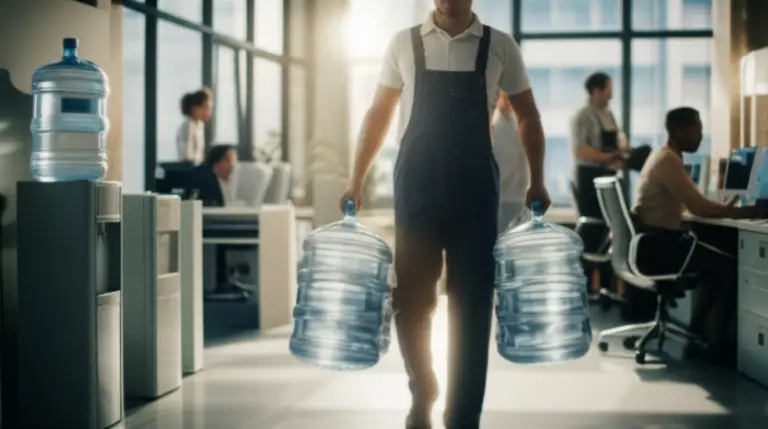
- The “Default” Effect: Making reusable bottles the default option in offices increases usage by 94%.
- Visual Cues: Placing prompts near recycling bins increases recycling by 54%.
- Feedback Lops: Real-time feedback (like showing water usage) encourages conservation.
- Habit Formation: It takes an average of 6 days to form a new habit. Consistency is key!
- The “Green” Trap: Don’t fall for greenwashing. Look for certifications and transparency.
🏁 Conclusion: Are You Drinking the Water or the Brand?

We’ve journeyed through the psychology of water brands, from the self-verification of the Stanley lady to the rugged reliability of Yeti. We’ve seen how color, social media, and community drive our choices more than the water itself.
The Big Question Resolved:
So, are you drinking the water or the brand?
- The Truth: You are drinking both.
- The Water: Provides hydration, essential for life.
- The Brand: Provides identity, belonging, and emotional satisfaction.
Our Expert Recommendation:
- For the Trendsetter: Go with Owala. It’s fun, functional, and fits the current cultural zeitgeist.
- For the Status Seeker: Stanley is the undisputed king of social currency.
- For the Eco-Warior: Hydro Flask remains the gold standard for sustainability and adventure.
- For the Pragmatist: Nalgene is the unbeatable value choice.
- For the Adventurer: Yeti is the only choice for extreme conditions.
Final Thought:
Don’t let the marketing fool you. The best bottle is the one that you will actually use. Whether it’s a $45 Stanley or a $10 Nalgene, the most important thing is that you stay hydrated.
But remember: Sustainability isn’t just about the bottle; it’s about the habit. Use it, refill it, and keep it going. That’s the real victory.
🔗 Recommended Links
👉 Shop the Top Brands:
- Stanley: Amazon | Stanley Official
- Owala: Amazon | Owala Official
- Hydro Flask: Amazon | Hydro Flask Official
- Yeti: Amazon | Yeti Official
- Nalgene: Amazon | Nalgene Official
Books on Consumer Psychology:
- Influence: The Psychology of Persuasion by Robert Cialdini
- Contagious: Why Things Catch On by Jonah Berger
❓ FAQ: Your Burning Questions About Water Brand Psychology Answered

How does water brand packaging influence consumer purchasing decisions?
Packaging is the first point of contact and often the deciding factor.
- Color: Blue signals purity; green signals sustainability.
- Shape: Ergonomic designs suggest comfort and usability.
- Texture: Matte finishes feel premium; glossy finishes feel modern.
- Logo: A prominent logo signals brand identity and social status.
Read more about “7 Water Brand Marketing Strategies Gen Z Can’t Resist 💧 (2026)”
Why do consumers prefer premium bottled water over tap water?
- Perceived Quality: Consumers believe premium water is cleaner and tastes better.
- Health Concerns: Fear of contaminants in tap water (even if unfounded).
- Status: Drinking premium water is a status symbol.
- Convenience: Bottled water is portable and readily available.
What psychological factors drive brand loyalty in the water industry?
- Self-Verification: The brand confirms your self-concept.
- Community: Belonging to a brand community.
- Habit: Once you form a habit, it’s hard to break.
- Emotional Connection: The brand evokes positive emotions.
How does the color of a water bottle affect consumer perception?
- Blue: Trust, cleanliness, freshness.
- Green: Nature, health, sustainability.
- Red: Energy, urgency, excitement.
- Black: Luxury, exclusivity.
- Pastels: Playfulness, youth.
Read more about “💧 Top 10 Water Brand Sensory Profiles to Taste in 2025”
Do consumers believe expensive water brands are healthier?
- Yes: Many consumers equate price with quality.
- The Reality: Expensive water is often just filtered tap water or spring water with a premium price tag.
- The Psychology: The Veblen Effect drives this belief.
Read more about “💧 How 15 Water Brands Source Their Water (2026)”
What role does sustainability play in water brand consumer psychology?
- Intention-Action Gap: Consumers say they care, but often don’t act.
- Greenwashing: Brands must be transparent to avoid backlash.
- Social Norms: Making sustainable choices visible increases adoption.
- Identity: Sustainability is a key part of the eco-conscious identity.
How does marketing storytelling impact water brand selection?
- Emotional Connection: Stories create emotional bonds.
- Identity: Stories help consumers verify their identity.
- Community: Stories build community and belonging.
- Trend: Stories drive trends and hype.
📚 Reference Links
- Harvard Business Review: The Elusive Green Consumer – A deep dive into the intention-action gap in sustainable consumption.
- Stanley 1913: Stanley Official Website
- Owala: Owala Official Website
- Hydro Flask: Hydro Flask Official Website
- Yeti: Yeti Official Website
- Nalgene: Nalgene Official Website
- The Water Depot: Bottle Labeling Insights
- Nielsen: Global Sustainability Report
- Ryan Margaret Lee: Water Bottle War: Examining the Relationship Between the Consumer Identity of Water Bottles and the Digital Marketing Strategies of Competing Brands