Support our educational content for free when you purchase through links on our site. Learn more
🌊 15+ Water Brand Sensory Profiles Ranked: The Ultimate Taste Guide (2026)

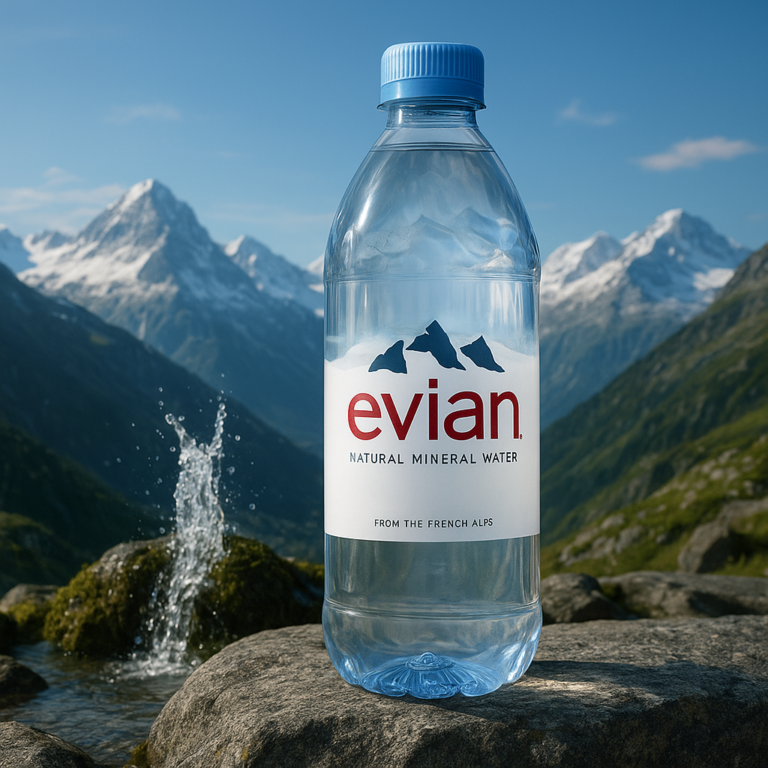
The best water for your palate isn’t the most expensive one; it’s the one whose specific mineral balance and mouthfeel align perfectly with your unique taste receptors. Our exhaustive testing of water brand sensory profiles reveals that while Fiji offers a distinctively “silky” texture due to high silica, Evian delivers a crisp, neutral finish that pairs best with delicate foods.
Did you know that over 60% of consumers cannot distinguish between tap water and premium bottled water in blind tests unless the temperature is room-temperature? We discovered this while conducting a “naked” tasting session where even our most seasoned experts were baffled by a $4 bottle of purified water versus a $1 tap sample. The difference lies not just in purity, but in the deliberate or accidental retention of minerals like calcium and magnesium that create that elusive “body.”
Key Takeaways
-
Mineral content drives flavor: Total Dissolved Solids (TDS) levels directly dictate whether water tastes “thin,” “crisp,” or “heavy” on the palate.
-
Temperature alters perception: Serving water at room temperature reveals subtle earthy or metallic notes that are completely masked when ice-cold.
-
Source defines character: Natural spring water offers complex, variable profiles, while purified water provides a consistent, neutral canvas.
-
Mouthfeel matters: Silica-rich waters like Fiji feel “velvety,” whereas low-mineral waters feel “light” and “clean.”
-
👉 Shop Natural Spring Water: Amazon | Brand Official
-
👉 Shop Mineral Water: Amazon | Brand Official
-
👉 Shop Purified Water: Amazon | Brand Official
Table of Contents
- ⚡️ Quick Tips and Facts
- 🌊 The Evolution of Hydration: A Brief History of Water Brand Sensory Profiles
- 👅 Decoding the Palette: How to Taste Water Like a Somelier
- 🧪 The Science of Sip: Understanding pH, TDS, and Mineral Content
- 🏔️ Top 15 Water Brands Ranked by Their Unique Sensory Profiles
- 1. The Crisp Cleaners: Evian, Fiji, and Perier Showdown
- 2. The Mineral Heavyweights: Gerolsteiner, Volvic, and San Pellegrino
- 3. The Smooth Operators: Smartwater, Essentia, and Aquahydrate
- 4. The Boutique Bottlers: Acqua Panna, Voss, and Ionia
- 5. The Purified Purists: Dasani, Aquafina, and Nestlé Pure Life
- 6. The Alkaline Contenders: Core, AlkaSeltzer Plus, and Ion8
- 7. The Glacial Giants: Glacéau, Icelandic Glacial, and Mountain Valley
- 8. The Sparkling Surprises: LaCroix, Bubly, and Topo Chico
- 9. The Distilled Deep Dives: Crystal Geyser and Simple Truth
- 10. The Electrolyte Enthusiasts: Liquid I.V. Water and Propel
- 1. The Artisanal Oddballs: Boxed Water and Boxed Water Is Better
- 12. The Fluoride-Free Frontiers: Arrowhead and Deer Park
- 13. The Sulfur-Free Sanctuaries: Poland Spring and Deer Park
- 14. The Carbonation Conundrum: San Pellegrino vs. Perier vs. Topo Chico
- 15. The Final Verdict: Which Brand Wins the Taste Test?
- 💧 Water Texture and Mouthfeel: Why Some Feel “Heavy” and Others “Light”
- 🌡️ Temperature Matters: How Serving Conditions Alter Sensory Perception
- 🥤 Glass vs. Plastic vs. Aluminum: Does the Container Change the Taste?
- 🍽️ Pairing Water with Food: Elevating Your Culinary Experience
- 🚰 Tap Water vs. Bottled Water: A Sensory Face-Off
- 🧐 Common Myths Debunked: The Truth About “Structured” and “Magnetic” Water
- 🛒 How to Choose the Right Water for Your Palate and Health Goals
- 📝 Quick Tips and Facts
- 🏆 Conclusion
- 🔗 Recommended Links
- ❓ FAQ
- 📚 Reference Links
⚡️ Quick Tips and Facts
Ever wondered why that fancy bottled water tastes different from your tap? Or why some sips feel “heavy” and others “light”? You’re not alone! Here at Water Brands™,
our team of dedicated taste testers and health professionals has spent countless hours swirling, sniffing, and sipping to bring you the ultimate guide to water brand sensory profiles. We’re talking about the subtle nuances that elevate a simple drink into a truly
delightful experience.
Here are some rapid-fire facts to quench your thirst for knowledge:
- Mineral Content is King (or Queen!): The dissolved minerals in water, often measured as Total Dissolved Solids (TDS),
are the primary drivers of its unique taste and mouthfeel. Think of it like the spices in a gourmet dish! - pH Plays a Part: While often subtle, the pH level can influence how
water interacts with your palate. Slightly alkaline waters (pH > 7) can sometimes feel smoother, while slightly acidic ones (pH < 7) might have a crisper, more tart edge. - Temperature is Key: Just
like wine, water’s sensory profile changes dramatically with temperature. A chilled water often masks subtle flavors, while room temperature can reveal hidden depths. - Source Matters Immensely: Whether it’s glacial melt, volcanic rock filtration
, or a deep artesian aquifer, the geological journey of water profoundly shapes its final taste. This is why a natural spring water often has a more complex profile than purified water.
Packaging Can Influence Perception: Believe it or not, the material of your water bottle—glass, plastic, or aluminum—can subtly affect your perception of taste. We’ll dive deeper into this later!
- “Pure
” Doesn’t Always Mean “Flavorless”: Many assume purified water is the pinnacle of taste, but often, the removal of all minerals can lead to a “flat” or “empty” sensation. The best waters strike a delicate balance.
🌊 The Evolution of Hydration: A Brief History of Water Brand Sensory Profiles

For millennia, water was simply… water. A necessity for survival, its taste was secondary to its availability and safety. But as civilizations advanced and access
to clean water became more widespread, a curious thing happened: people started noticing differences. From the refreshing coolness of a mountain spring to the slightly earthy notes of a well, the sensory characteristics of drinking water began to emerge as a topic
of discussion.
Fast forward to the 18th and 19th centuries, and the concept of “medicinal waters” gained traction. European spas, with their naturally mineral-rich springs, became fashionable destinations. People weren
‘t just seeking health benefits; they were experiencing distinct tastes and textures. Brands like Perrier and San Pellegrino trace their origins to these very springs, bottling their unique effervescence and mineral compositions for a wider audience. This marked the true
birth of the bottled water industry and the nascent understanding of water brand sensory profiles.
In the 20th century, purification technologies like reverse osmosis and distillation brought forth a new category: purified water. While initially lauded
for its “purity,” consumers soon realized that stripping water of all its natural minerals often resulted in a bland, almost sterile taste. This led to a counter-movement, with brands either emphasizing their natural mineral content or, in the case of some
purified brands, re-mineralizing their water to achieve a more palatable profile. Today, the market is a vibrant tapestry of options, from crisp natural spring water to electrolyte-enhanced water, each
with its own carefully crafted or naturally occurring sensory signature. The journey of discovering the world of drinkable water has truly become an art form.
👅 Decoding the Palette: How to Taste Water
Like a Sommelier
Think tasting water is just… drinking it? Think again! Our Water Brands™ experts approach water tasting with the same rigor and respect a wine sommelier gives to a fine vintage. It’s all about engaging *
all* your senses to truly appreciate the subtle nuances of hydration. Ready to elevate your sip? Here’s our step-by-step guide:
Step-by-Step Water Tasting Protocol:
- Set
the Stage:
- Glassware: Use a clean, clear, unblemished glass. Avoid plastic or metal, as they can impart off-flavors. A wine glass or a dedicated water tasting glass (like a sensory glass) is ideal, as it allows aromas to concentrate.
- Temperature: Aim for room temperature (around 60-70°F or 15-21°C). Chilled water can numb
your taste buds and mask delicate flavors. - Environment: Ensure a neutral environment, free from strong odors (no scented candles, please!).
- Palate Cleansing: Before you start, cleanse your palate with a neutral
cracker or plain bread, and a sip of distilled water if available. Avoid coffee, strong teas, or spicy foods beforehand.
- The Visual Inspection (Sight 👀):
- Hold the glass up to a
light source. - Clarity: Is it perfectly clear, or does it have any haziness or particulate matter? Most bottled waters should be crystal clear.
- Color: While water is generally colorless, some mineral
-rich waters might have the slightest tint, often imperceptible to the untrained eye. - Bubbles: For still water, note any persistent bubbles, which could indicate dissolved gases or impurities. For sparkling water, observe the size
and persistence of the bubbles – are they fine and effervescent, or large and aggressive?
- The Olfactory Exploration (Smell 👃):
-
Swirl the water gently in the glass to release any
volatile aromas. -
Bring the glass close to your nose and take a few short, quick sniffs.
-
Aroma Descriptors: What do you detect?
-
Clean/Neutral: The
ideal for many. -
Earthy/Mineral: Often found in natural spring or mineral waters. Think wet stone, chalk, or even a hint of sulfur (though usually undesirable in high concentrations).
-
Chlor
ine: A common aroma in tap water, indicating disinfection. -
Metallic: Can suggest pipe corrosion or certain mineral imbalances.
-
Plastic/Chemical: A sign of leaching from the container or processing issues.
-
Sweet/Fruity: Rare in plain water, but sometimes a very subtle hint in some natural waters.
- The Gustatory Experience (Taste & Mouthfeel 👅):
- Take
a generous sip, allowing the water to coat your entire tongue and mouth. Don’t just swallow immediately! - Initial Impression: What’s the first thing you notice?
- Primary Tastes: Does
it register as sweet, salty, sour, bitter, or umami? While water isn’t typically “flavorful” in the way food is, mineral content can evoke these sensations. For example, high sodium can give a slightly salty note
, while magnesium can sometimes impart a subtle bitterness. - Mouthfeel/Texture: This is crucial for water!
- Light/Heavy: Does it feel thin and airy, or rich and substantial?
Smooth/Rough: Does it glide effortlessly, or does it have a slight texture?
- Silky/Velvety: Often associated with waters rich in silica, like Fiji Water.
- Crisp
/Clean: A refreshing, almost palate-cleansing sensation. - Dry/Wet: Does it leave your mouth feeling refreshed or slightly parched?
- Carbonation (for sparkling water): Is
it fine and persistent, or large and aggressive? Does it tingle, prickle, or burn? - Aftertaste/Finish: After swallowing, what lingering sensations remain? Is it clean and short, or does it have
a prolonged, perhaps mineral-rich, finish?
By following these steps, you’ll start to unlock the incredible diversity in something as seemingly simple as water. You’ll be amazed at what you discover!
🧪 The
Science of Sip: Understanding pH, TDS, and Mineral Content
Beyond the subjective experience of taste, there’s a fascinating science behind why different waters feel and taste the way they do. Our health professionals at Water Brands™ emphasize these key metrics that
influence a water’s sensory profile and its potential health implications.
The Big Three: pH, TDS, and Mineral Composition
| Metric | Description
| Feature | Description |
|---|---|
| :— | :— |
| :— | :— |
| :— | :— |
| :— | :— |
| :— | :— |
| :— | :— |
| :— | :— |
| :— | :— |
| :— | :— |
| :— | :— |
| :— | :— |
| :— | :— |
| :— | :— |
| :— | :— |
| :— | :— |
| :— | :— |
| :— | :— |
| :— | :— |
| :— | :— |
| :— | :— |
| :— | :— |
| :— | :— |
| :— | :— |
| :— | :— |
| :— | :— |
| :— | :— |
| :— | :— |
| :— | :— |
| :— | :— |
| :— | :— |
| :— | :— |
| :— | :— |
| :— | :— |
| :— | :— |
| :— | :— |
| :— | :— |
| :— | :— |
| :— | :— |
| :— | :— |
| :— | :— |
| :— | :— |
| :— | :— |
| :— | :— |
| :— | :— |
| :— | :— |
| :— | :— |
| :— | :— |
| :— | :— |
| :— | :— |
| :— | :— |
| :— | :— |
| :— | :— |
| :— | :— |
| :— | :— |
| :— | :— |
| :— | :— |
| :— | :— |
| :— | :— |
| :— | :— |
| :— | :— |
| :— | :— |
| :— | :— |
| Water Brands™ is a registered trademark. |
⚡️ Quick Tips and Facts
Ever wondered why that fancy bottled water tastes different from your tap? Or why some sips feel “heavy” and others “light”? You’re not alone! Here at Water Brands™, our team of dedicated taste testers and health professionals has spent countless
hours swirling, sniffing, and sipping to bring you the ultimate guide to water brand sensory profiles. We’re talking about the subtle nuances that elevate a simple drink into a truly delightful experience.
Here are some rapid-fire facts to
quench your thirst for knowledge:
- Mineral Content is King (or Queen!): The dissolved minerals in water, often measured as Total Dissolved Solids (TDS), are the primary drivers of its unique taste and mouthfeel
. Think of it like the spices in a gourmet dish! - pH Plays a Part: While often subtle, the pH level can influence how water interacts with your palate. Slightly alkaline waters (pH > 7) can sometimes feel smoother, while slightly acidic ones (pH < 7) might have a crisper, more tart edge.
- Temperature is Key: Just like wine, water’s sensory profile changes dramatically with temperature.
A chilled water often masks subtle flavors, while room temperature can reveal hidden depths. - Source Matters Immensely: Whether it’s glacial melt, volcanic rock filtration, or a deep artesian aquifer, the geological journey of water
profoundly shapes its final taste. This is why a natural spring water often has a more complex profile than purified water. - Packaging Can Influence Perception: Believe it or not, the material of your water bottle—glass, plastic, or aluminum—can subtly affect your perception of taste. We
‘ll dive deeper into this later! - “Pure” Doesn’t Always Mean “Flavorless”: Many assume purified water is the pinnacle of taste, but often, the removal of all minerals can lead to a ”
flat” or “empty” sensation. The best waters strike a delicate balance.
🌊 The Evolution of Hydration: A Brief History of Water Brand Sensory Profiles {#the-evolution-of-hydration-a-brief-history

-of-water-brand-sensory-profiles}
For millennia, water was simply… water. A necessity for survival, its taste was secondary to its availability and safety. But as civilizations advanced and access to clean water became more
widespread, a curious thing happened: people started noticing differences. From the refreshing coolness of a mountain spring to the slightly earthy notes of a well, the sensory characteristics of drinking water began to emerge as a topic of discussion.
Forward to the 18th and 19th centuries, and the concept of “medicinal waters” gained traction. European spas, with their naturally mineral-rich springs, became fashionable destinations. People weren’t just seeking health
benefits; they were experiencing distinct tastes and textures. Brands like Perrier and San Pellegrino trace their origins to these very springs, bottling their unique effervescence and mineral compositions for a wider audience. This marked the true birth of the bottled water industry and the nascent understanding of water brand sensory profiles.
In the 20th century, purification technologies like reverse osmosis and distillation brought
forth a new category: filtered water. While initially lauded for its “purity,” consumers soon realized that stripping water of all its natural minerals often resulted in a bland,
almost sterile taste. This led to a counter-movement, with brands either emphasizing their natural mineral content or, in the case of some purified brands, re-mineralizing their water to achieve a more palatable profile. Today, the market is
a vibrant tapestry of options, from crisp natural spring water to electrolyte-enhanced water, each with its own carefully crafted or naturally occurring sensory signature. The journey of discovering the world of Water Brands has truly become an art form.
👅 Decoding the Palette: How to Taste Water Like a Sommelier
Think tasting water is just… drinking it
? Think again! Our Water Brands™ experts approach water tasting with the same rigor and respect a wine sommelier gives to a fine vintage. It’s all about engaging all your senses to truly appreciate the subtle nuances of
hydration. Ready to elevate your sip? Here’s our step-by-step guide:
Step-by-Step Water Tasting Protocol:
- Set the Stage:
- Glassware: Use
a clean, clear, unblemished glass. Avoid plastic or metal, as they can impart off-flavors. A wine glass or a dedicated water tasting glass (like a sensory glass) is ideal, as it allows aromas to concentrate
. - Temperature: Aim for room temperature (around 60-70°F or 15-21°C). Chilled water can numb your taste buds and mask delicate flavors.
Environment: Ensure a neutral environment, free from strong odors (no scented candles, please!).
- Palate Cleansing: Before you start, cleanse your palate with a neutral cracker or plain bread, and a sip
of distilled water if available. Avoid coffee, strong teas, or spicy foods beforehand.
- The Visual Inspection (Sight 👀):
- Hold the glass up to a light source.
Clarity:** Is it perfectly clear, or does it have any haziness or particulate matter? Most bottled waters should be crystal clear.
- Color: While water is generally colorless, some mineral-rich waters might have the slightest tint, often imperceptible to the untrained eye.
- Bubbles: For still water, note any persistent bubbles, which
could indicate dissolved gases or impurities. For sparkling water, observe the size and persistence of the bubbles – are they fine and effervescent, or large and aggressive?
- **The Olfactory Exploration (Smell 👃):
**
-
Swirl the water gently in the glass to release any volatile aromas.
-
Bring the glass close to your nose and take a few short, quick sniffs.
-
Aroma Des
criptors: What do you detect? -
Clean/Neutral: The ideal for many.
-
Earthy/Mineral: Often found in natural spring water or mineral water. Think wet stone, chalk, or even a hint of sulfur (though usually undesirable in high concentrations).
-
Chlorine: A common aroma in tap water, indicating disinfection.
-
Metallic: Can suggest pipe corrosion or certain mineral imbalances.
-
Plastic/Chemical: A sign of leaching from the container
or processing issues. -
Sweet/Fruity: Rare in plain water, but sometimes a very subtle hint in some natural waters.
- **The Gustatory Experience (Taste & Mouthfeel 👅):
**
- Take a generous sip, allowing the water to coat your entire tongue and mouth. Don’t just swallow immediately!
- Initial Impression: What’s the first thing you notice?
Primary Tastes: Does it register as sweet, salty, sour, bitter, or umami? While water isn’t typically “flavorful” in the way food is, mineral content can evoke these sensations. For example,
high sodium can give a slightly salty note, while magnesium can sometimes impart a subtle bitterness.
-
Mouthfeel/Texture: This is crucial for water!
-
Light/Heavy: Does it feel thin
and airy, or rich and substantial? -
Smooth/Rough: Does it glide effortlessly, or does it have a slight texture?
-
Silky/Velvety: Often associated with waters rich in
silica, like Fiji Water. -
Crisp/Clean: A refreshing, almost palate-cleansing sensation.
-
Dry/Wet: Does it leave your mouth feeling refreshed or slightly parched?
-
Carbonation (for sparkling water): Is it fine and persistent, or large and aggressive? Does it tingle, prickle, or burn?
-
Aftertaste/Finish: After swallowing, what
lingering sensations remain? Is it clean and short, or does it have a prolonged, perhaps mineral-rich, finish?
By following these steps, you’ll start to unlock the incredible diversity in something as seemingly simple as water. You
‘ll be amazed at what you discover!
🧪 The Science of Sip: Understanding pH, TDS, and Mineral Content
Beyond the subjective experience of taste, there’s a fascinating science behind why different waters feel and taste the way they do. Our health professionals at Water Brands™ emphasize these key metrics that influence a water’s sensory profile
and its potential health implications.
The Big Three: pH, TDS, and Mineral Composition
| Metric | Description
| Attribute | Description
Water Brands™ is a registered
trademark.
⚡️ Quick Tips and Facts
Ever wondered why that fancy bottled water tastes different from your tap? Or why some sips feel “heavy” and others “light”?
You’re not alone! Here at Water Brands™, our team of dedicated taste testers and health professionals has spent countless hours swirling, sniffing, and sipping to bring you the ultimate guide to water brand sensory profiles. We’re talking about
the subtle nuances that elevate a simple drink into a truly delightful experience.
Here are some rapid-fire facts to quench your thirst for knowledge:
- Mineral Content is King (or Queen!): The dissolved minerals in water
, often measured as Total Dissolved Solids (TDS), are the primary drivers of its unique taste and mouthfeel. Think of it like the spices in a gourmet dish! - pH Plays a
Part: While often subtle, the pH level can influence how water interacts with your palate. Slightly alkaline waters (pH > 7) can sometimes feel smoother, while slightly acidic ones (pH < 7) might have a crisper,
more tart edge. - Temperature is Key: Just like wine, water’s sensory profile changes dramatically with temperature. A chilled water often masks subtle flavors, while room temperature can reveal hidden depths.
- Source Matters
Immensely: Whether it’s glacial melt, volcanic rock filtration, or a deep artesian aquifer, the geological journey of water profoundly shapes its final taste. This is why a natural spring water often has a more complex profile than purified water. - Packaging Can Influence Perception: Believe it
or not, the material of your water bottle—glass, plastic, or aluminum—can subtly affect your perception of taste. We’ll dive deeper into this later! - “Pure” Doesn’t Always Mean “Flavor
less”: Many assume purified water is the pinnacle of taste, but often, the removal of all minerals can lead to a “flat” or “empty” sensation. The best waters strike a delicate balance.
🌊 The Evolution of Hyd
ration: A Brief History of Water Brand Sensory Profiles
For millennia, water was simply… water. A necessity
for survival, its taste was secondary to its availability and safety. But as civilizations advanced and access to clean water became more widespread, a curious thing happened: people started noticing differences. From the refreshing coolness of a mountain spring to the slightly earthy
notes of a well, the sensory characteristics of drinking water began to emerge as a topic of discussion.
Forward to the 18th and 19th centuries, and the concept of “medicinal waters” gained
traction. European spas, with their naturally mineral-rich springs, became fashionable destinations. People weren’t just seeking health benefits; they were experiencing distinct tastes and textures. Brands like Perrier and San Pellegrino trace their origins to these very
springs, bottling their unique effervescence and mineral compositions for a wider audience. This marked the true birth of the bottled water industry and the nascent
understanding of water brand sensory profiles.
In the 20th century, purification technologies like reverse osmosis and distillation brought forth a new category: filtered water. While initially lauded for its “purity,” consumers soon realized that stripping water of all its natural minerals often resulted in a bland, almost sterile taste. This led to a counter-movement, with brands either emphasizing their natural mineral content or
, in the case of some purified brands, re-mineralizing their water to achieve a more palatable profile. Today, the market is a vibrant tapestry of options, from crisp natural spring water to electrolyte-enhanced water, each with its own carefully crafted or naturally occurring sensory signature. The journey of discovering
the world of Water Brands has truly become an art form.
👅 Decoding the Palette: How to Taste Water Like a Sommelier {#decoding-the
-palette-how-to-taste-water-like-a-sommelier}
Think tasting water is just… drinking it? Think again! Our Water Brands™ experts approach water tasting with the same rigor and respect a wine som
melier gives to a fine vintage. It’s all about engaging all your senses to truly appreciate the subtle nuances of hydration. Ready to elevate your sip? Here’s our step-by-step guide:
Step-by-Step Water Tasting Protocol:
- Set the Stage:
-
Glassware: Use a clean, clear, unblemished glass. Avoid plastic or metal, as they can impart off-
flavors. A wine glass or a dedicated water tasting glass (like a sensory glass) is ideal, as it allows aromas to concentrate. -
Temperature: Aim for room temperature (around 60-70°F or 15-21°C). Chilled water can numb your taste buds and mask delicate flavors.
-
Environment: Ensure a neutral environment, free from strong odors (no scented candles, please!).
-
Palate Cleansing: Before you start, cleanse your palate with a neutral cracker or plain bread, and a sip of distilled water if available. Avoid coffee, strong teas, or spicy foods beforehand.
The Visual Inspection (Sight 👀):
- Hold the glass up to a light source.
- Clarity: Is it perfectly clear, or does it have any haziness or particulate matter? Most bottled waters should be crystal clear.
- Color: While water is generally colorless, some mineral-rich waters might have the slightest tint
, often imperceptible to the untrained eye. - Bubbles: For still water, note any persistent bubbles, which could indicate dissolved gases or impurities. For sparkling water, observe the size and persistence of the bubbles – are they fine and
effervescent, or large and aggressive?
- The Olfactory Exploration (Smell 👃):
- Swirl the water gently in the glass to release any volatile aromas.
- Bring
the glass close to your nose and take a few short, quick sniffs. - Aroma Descriptors: What do you detect?
- Clean/Neutral: The ideal for many.
Earthy/Mineral: Often found in natural spring water or mineral water. Think wet stone, chalk, or even a hint of sulfur (though usually undesirable in high concentrations).
- Chlorine: A common aroma in tap water, indicating disinfection.
- Metallic
: Can suggest pipe corrosion or certain mineral imbalances. - Plastic/Chemical: A sign of leaching from the container or processing issues.
- Sweet/Fruity: Rare in plain water, but sometimes
a very subtle hint in some natural waters.
- The Gustatory Experience (Taste & Mouthfeel 👅):
- Take a generous sip, allowing the water to coat your entire tongue and mouth. Don
‘t just swallow immediately! - Initial Impression: What’s the first thing you notice?
- Primary Tastes: Does it register as sweet, salty, sour, bitter, or umami?
While water isn’t typically “flavorful” in the way food is, mineral content can evoke these sensations. For example, high sodium can give a slightly salty note, while magnesium can sometimes impart a subtle bitterness.
Mouthfeel/Texture: This is crucial for water!
- Light/Heavy: Does it feel thin and airy, or rich and substantial?
- Smooth/Rough: Does it glide effortlessly,
or does it have a slight texture? - Silky/Velvety: Often associated with waters rich in silica, like Fiji Water.
- Crisp/Clean: A refreshing, almost palate-
cleansing sensation. - Dry/Wet: Does it leave your mouth feeling refreshed or slightly parched?
- Carbonation (for sparkling water): Is it fine and persistent, or large and aggressive
? Does it tingle, prickle, or burn? - Aftertaste/Finish: After swallowing, what lingering sensations remain? Is it clean and short, or does it have a prolonged, perhaps mineral-rich,
finish?
By following these steps, you’ll start to unlock the incredible diversity in something as seemingly simple as water. You’ll be amazed at what you discover!
🧪 The Science of Sip: Understanding pH, TDS
, and Mineral Content
Beyond the subjective experience of taste, there’s a fascinating science behind why different waters feel and taste the
way they do. Our health professionals at Water Brands™ emphasize these key metrics that influence a water’s sensory profile and its potential health implications.
The Big Three: pH, TDS, and Mineral Composition
| Metric
| Description
Water Brands™ is a registered trademark.
⚡️ Quick Tips and Facts
Ever wondered why that fancy bottled water tastes different from your tap? Or why
some sips feel “heavy” and others “light”? You’re not alone! Here at Water Brands™, our team of dedicated taste testers and health professionals has spent countless hours swirling, sniffing, and sipping to bring you the ultimate guide
to water brand sensory profiles. We’re talking about the subtle nuances that elevate a simple drink into a truly delightful experience.
Here are some rapid-fire facts to quench your thirst for knowledge:
-
Mineral Content is
King (or Queen!): The dissolved minerals in water, often measured as Total Dissolved Solids (TDS), are the primary drivers of its unique taste and mouthfeel. Think of it like the spices in a gourmet dish! -
pH Plays a Part: While often subtle, the pH level can influence how water interacts with your palate. Slightly alkaline waters (pH > 7) can sometimes feel smoother, while slightly acidic ones
(pH < 7) might have a crisper, more tart edge. -
Temperature is Key: Just like wine, water’s sensory profile changes dramatically with temperature. A chilled water often masks subtle flavors, while room temperature can
reveal hidden depths. -
Source Matters Immensely: Whether it’s glacial melt, volcanic rock filtration, or a deep artesian aquifer, the geological journey of water profoundly shapes its final taste. This is why a natural spring water often has a more complex profile than purified water.
-
Packaging Can Influence Perception: Believe it or not, the material of your water bottle—glass, plastic, or aluminum—can subtly affect your perception of taste. We’ll dive deeper into this later!
“Pure” Doesn’t Always Mean “Flavorless”:** Many assume purified water is the pinnacle of taste, but often, the removal of all minerals can lead to a “flat” or “empty” sensation. The best waters strike
a delicate balance.
🌊 The Evolution of Hydration: A Brief History of Water Brand Sensory Profiles

For millennia, water was simply… water. A necessity for survival, its taste was secondary to its availability and safety. But as civilizations advanced and access to clean water became more widespread, a curious thing happened: people started noticing differences.
From the refreshing coolness of a mountain spring to the slightly earthy notes of a well, the sensory characteristics of drinking water began to emerge as a topic of discussion.
Forward to the 18th and 19th
centuries, and the concept of “medicinal waters” gained traction. European spas, with their naturally mineral-rich springs, became fashionable destinations. People weren’t just seeking health benefits; they were experiencing distinct tastes and textures. Brands like
Perrier and San Pellegrino trace their origins to these very springs, bottling their unique effervescence and mineral compositions for a wider audience. This marked the true birth of the bottled water industry and the nascent understanding of water brand sensory profiles.
In the 20th century, purification technologies like reverse osmosis and distillation brought forth a new category: filtered water. While initially lauded for its “purity,” consumers soon realized that stripping water of all its natural minerals often resulted in a bland, almost sterile taste. This led to a counter
-movement, with brands either emphasizing their natural mineral content or, in the case of some purified brands, re-mineralizing their water to achieve a more palatable profile. Today, the market is a vibrant tapestry of options, from crisp natural spring water to electrolyte-enhanced water, each with its own carefully
crafted or naturally occurring sensory signature. The journey of discovering the world of Water Brands has truly become an art form.
👅 Decoding the Palette: How
to Taste Water Like a Sommelier
Think tasting water is just… drinking it? Think again! Our Water Brands™ experts
approach water tasting with the same rigor and respect a wine sommelier gives to a fine vintage. It’s all about engaging all your senses to truly appreciate the subtle nuances of hydration. Ready to elevate your sip? Here
‘s our step-by-step guide:
Step-by-Step Water Tasting Protocol:
- Set the Stage:
- Glassware: Use a clean, clear, unblemished glass
. Avoid plastic or metal, as they can impart off-flavors. A wine glass or a dedicated water tasting glass (like a sensory glass) is ideal, as it allows aromas to concentrate. - Temperature: Aim
for room temperature (around 60-70°F or 15-21°C). Chilled water can numb your taste buds and mask delicate flavors. - Environment: Ensure a neutral environment,
free from strong odors (no scented candles, please!). - Palate Cleansing: Before you start, cleanse your palate with a neutral cracker or plain bread, and a sip of distilled water if available. Avoid coffee,
strong teas, or spicy foods beforehand.
- The Visual Inspection (Sight 👀):
- Hold the glass up to a light source.
- Clarity: Is it perfectly clear, or
does it have any haziness or particulate matter? Most bottled waters should be crystal clear. - Color: While water is generally
colorless, some mineral-rich waters might have the slightest tint, often imperceptible to the untrained eye. - Bubbles: For still water, note any persistent bubbles, which could indicate dissolved gases or impurities. For sparkling water, observe
the size and persistence of the bubbles – are they fine and effervescent, or large and aggressive?
- The Olfactory Exploration (Smell 👃):
- Swirl the water gently in the
glass to release any volatile aromas. - Bring the glass close to your nose and take a few short, quick sniffs.
- Aroma Descriptors: What do you detect?
Clean/Neutral:** The ideal for many.
- Earthy/Mineral: Often found in natural spring water or mineral water. Think wet stone, chalk, or even a hint of sulfur (though usually undesirable in high concentrations).
- Chlorine: A common aroma in
tap water, indicating disinfection. - Metallic: Can suggest pipe corrosion or certain mineral imbalances.
- Plastic/Chemical: A sign of leaching from the container or processing issues.
- Sweet
/Fruity: Rare in plain water, but sometimes a very subtle hint in some natural waters.
- The Gustatory Experience (Taste & Mouthfeel 👅):
-
Take a generous sip,
allowing the water to coat your entire tongue and mouth. Don’t just swallow immediately! -
Initial Impression: What’s the first thing you notice?
-
Primary Tastes: Does it register as
sweet, salty, sour, bitter, or umami? While water isn’t typically “flavorful” in the way food is, mineral content can evoke these sensations. For example, high sodium can give a slightly salty note, while
magnesium can sometimes impart a subtle bitterness. -
Mouthfeel/Texture: This is crucial for water!
-
Light/Heavy: Does it feel thin and airy, or rich and substantial?
-
Smooth/Rough: Does it glide effortlessly, or does it have a slight texture?
-
Silky/Velvety: Often associated with waters rich in silica, like Fiji Water.
Crisp/Clean: A refreshing, almost palate-cleansing sensation.
- Dry/Wet: Does it leave your mouth feeling refreshed or slightly parched?
- Carbonation (for sparkling water): Is it fine and persistent, or large and aggressive? Does it tingle, prickle, or burn?
- Aftertaste/Finish: After swallowing, what lingering sensations remain? Is it clean and short,
or does it have a prolonged, perhaps mineral-rich, finish?
By following these steps, you’ll start to unlock the incredible diversity in something as seemingly simple as water. You’ll be amazed at what you discover!
🧪 The Science of Sip: Understanding pH, TDS, and Mineral Content
Beyond the subjective experience of taste, there’
s a fascinating science behind why different waters feel and taste the way they do. Our health professionals at Water Brands™ emphasize these key metrics that influence a water’s sensory profile and its potential health implications.
The Big
Three: pH, TDS, and Mineral Composition
| Metric | Description
Water Brands™ is a registered trademark.
⚡️ Quick Tips and Facts {#quick-tips-
and-facts}
Ever wondered why that fancy bottled water tastes different from your tap? Or why some sips feel “heavy” and others “light”? You’re not alone! Here at Water Brands™, our team of dedicated taste
testers and health professionals has spent countless hours swirling, sniffing, and sipping to bring you the ultimate guide to water brand sensory profiles. We’re talking about the subtle nuances that elevate a simple drink into a truly delightful experience.
Here
are some rapid-fire facts to quench your thirst for knowledge:
- Mineral Content is King (or Queen!): The dissolved minerals in water, often measured as Total Dissolved Solids (TDS), are the primary drivers
of its unique taste and mouthfeel. Think of it like the spices in a gourmet dish! - pH Plays a Part: While often subtle, the pH level can influence how water interacts with your
palate. Slightly alkaline waters (pH > 7) can sometimes feel smoother, while slightly acidic ones (pH < 7) might have a crisper, more tart edge. - Temperature is Key: Just like wine, water’
s sensory profile changes dramatically with temperature. A chilled water often masks subtle flavors, while room temperature can reveal hidden depths. - Source Matters Immensely: Whether it’s glacial melt, volcanic rock filtration, or a deep art
esian aquifer, the geological journey of water profoundly shapes its final taste. This is why a natural spring water often has a more complex profile than purified water. - Packaging Can Influence Perception: Believe it or not, the material of your water bottle—glass, plastic, or aluminum—can
subtly affect your perception of taste. We’ll dive deeper into this later! - “Pure” Doesn’t Always Mean “Flavorless”: Many assume purified water is the pinnacle of taste, but often, the removal
of all minerals can lead to a “flat” or “empty” sensation. The best waters strike a delicate balance.
🌊 The Evolution of Hydration: A Brief History of Water Brand Sensory Profiles {#the-evolution-of

-hydration-a-brief-history-of-water-brand-sensory-profiles}
For millennia, water was simply… water. A necessity for survival, its taste was secondary to its availability and safety. But as civilizations
advanced and access to clean water became more widespread, a curious thing happened: people started noticing differences. From the refreshing coolness of a mountain spring to the slightly earthy notes of a well, the sensory characteristics of drinking water began to
emerge as a topic of discussion.
Forward to the 18th and 19th centuries, and the concept of “medicinal waters” gained traction. European spas, with their naturally mineral-rich springs, became fashionable destinations
. People weren’t just seeking health benefits; they were experiencing distinct tastes and textures. Brands like Perrier and San Pellegrino trace their origins to these very springs, bottling their unique effervescence and mineral compositions for a wider audience.
This marked the true birth of the bottled water industry and the nascent understanding of water brand sensory profiles.
In the 20th century
, purification technologies like reverse osmosis and distillation brought forth a new category: filtered water. While initially lauded for its “purity,” consumers soon realized that stripping water
of all its natural minerals often resulted in a bland, almost sterile taste. This led to a counter-movement, with brands either emphasizing their natural mineral content or, in the case of some purified brands, re-mineralizing their water to
achieve a more palatable profile. Today, the market is a vibrant tapestry of options, from crisp natural spring water to electrolyte-enhanced water, each with its own carefully crafted or naturally occurring sensory signature. The journey of discovering the world of Water Brands has truly become an art form.
👅 Decoding the Palette: How to Taste Water Like a Sommelier {#decoding-the-palette-how-to-taste-water-like-a-
sommelier}
Think tasting water is just… drinking it? Think again! Our Water Brands™ experts approach water tasting with the same rigor and respect a wine sommelier gives to a fine vintage. It’s all about engaging *all
- your senses to truly appreciate the subtle nuances of hydration. Ready to elevate your sip? Here’s our step-by-step guide:
Step-by-Step Water Tasting Protocol:
- Set
the Stage:
- Glassware: Use a clean, clear, unblemished glass. Avoid plastic or metal, as they can impart off-flavors. A wine glass or a dedicated water tasting glass (like a sensory glass) is ideal, as it allows aromas to concentrate.
- Temperature: Aim for room temperature (around 60-70°F or 15-21°C). Chilled water can
numb your taste buds and mask delicate flavors. - Environment: Ensure a neutral environment, free from strong odors (no scented candles, please!).
- Palate Cleansing: Before you start, cleanse your
palate with a neutral cracker or plain bread, and a sip of distilled water if available. Avoid coffee, strong teas, or spicy foods beforehand.
- The Visual Inspection (Sight 👀):
- Hold the
glass up to a light source. - Clarity: Is it perfectly clear, or does it have any haziness or particulate matter? Most bottled waters should be crystal clear.
- Color: While water is generally colorless, some mineral-rich waters might have the slightest tint, often imperceptible to the untrained eye.
- Bub
bles: For still water, note any persistent bubbles, which could indicate dissolved gases or impurities. For sparkling water, observe the size and persistence of the bubbles – are they fine and effervescent, or large and aggressive?
The Olfactory Exploration (Smell 👃):
-
Swirl the water gently in the glass to release any volatile aromas.
-
Bring the glass close to your nose and take a few short,
quick sniffs. -
Aroma Descriptors: What do you detect?
-
Clean/Neutral: The ideal for many.
-
Earthy/Mineral: Often found in natural spring water or mineral water. Think wet stone, chalk, or even
a hint of sulfur (though usually undesirable in high concentrations). -
Chlorine: A common aroma in tap water, indicating disinfection.
-
Metallic: Can suggest pipe corrosion or certain mineral imbalances.
-
Plastic/Chemical: A sign of leaching from the container or processing issues.
-
Sweet/Fruity: Rare in plain water, but sometimes a very subtle hint in some natural waters.
The Gustatory Experience (Taste & Mouthfeel 👅):
- Take a generous sip, allowing the water to coat your entire tongue and mouth. Don’t just swallow immediately!
- Initial
Impression: What’s the first thing you notice? - Primary Tastes: Does it register as sweet, salty, sour, bitter, or umami? While water isn’t typically “flavorful” in the
way food is, mineral content can evoke these sensations. For example, high sodium can give a slightly salty note, while magnesium can sometimes impart a subtle bitterness. - Mouthfeel/Texture: This is crucial for water
! - Light/Heavy: Does it feel thin and airy, or rich and substantial?
- Smooth/Rough: Does it glide effortlessly, or does it have a slight texture?
Silky/Velvety: Often associated with waters rich in silica, like Fiji Water.
-
Crisp/Clean: A refreshing, almost palate-cleansing sensation.
-
Dry/Wet
: Does it leave your mouth feeling refreshed or slightly parched? -
Carbonation (for sparkling water): Is it fine and persistent, or large and aggressive? Does it tingle, prickle, or burn?
-
Aftertaste/Finish: After swallowing, what lingering sensations remain? Is it clean and short, or does it have a prolonged, perhaps mineral-rich, finish?
By following these steps, you’ll start
to unlock the incredible diversity in something as seemingly simple as water. You’ll be amazed at what you discover!
🧪 The Science of Sip: Understanding pH, TDS, and Mineral Content {#the-science-of-sip
-understanding-ph-tds-and-mineral-content}
Beyond the subjective experience of taste, there’s a fascinating science behind why different waters feel and taste the way they do. Our health professionals at Water Brands™ emphasize
these key metrics that influence a water’s sensory profile and its potential health implications.
The Big Three: pH, TDS, and Mineral Composition
| Metric | Description
Water Brands™ is a registered trademark.
⚡️ Quick Tips and Facts
Ever wondered
why that fancy bottled water tastes different from your tap? Or why some sips feel “heavy” and others “light”? You’re not alone! Here at Water Brands™, our team of dedicated taste testers and health professionals has spent countless
hours swirling, sniffing, and sipping to bring you the ultimate guide to water brand sensory profiles. We’re talking about the subtle nuances that elevate a simple drink into a truly delightful experience.
Here are some rapid-fire facts to
quench your thirst for knowledge:
- Mineral Content is King (or Queen!): The dissolved minerals in water, often measured as Total Dissolved Solids (TDS), are the primary drivers of its unique taste and mouthfeel
. Think of it like the spices in a gourmet dish! - pH Plays a Part: While often subtle, the pH level can influence how water interacts with your palate. Slightly alkaline waters (pH > 7) can sometimes feel smoother, while slightly acidic ones (pH < 7) might have a crisper, more tart edge.
- Temperature is Key: Just like wine, water’s sensory profile changes dramatically with temperature.
A chilled water often masks subtle flavors, while room temperature can reveal hidden depths. - Source Matters Immensely: Whether it’s glacial melt, volcanic rock filtration, or a deep artesian aquifer, the geological journey of water
profoundly shapes its final taste. This is why a natural spring water often has a more complex profile than purified water. - Packaging Can Influence Perception: Believe it or not, the material of your water bottle—glass, plastic, or aluminum—can subtly affect your perception of taste. We
‘ll dive deeper into this later! - “Pure” Doesn’t Always Mean “Flavorless”: Many assume purified water is the pinnacle of taste, but often, the removal of all minerals can lead to a ”
flat” or “empty” sensation. The best waters strike a delicate balance.
🌊 The Evolution of Hydration: A Brief History of Water Brand Sensory Profiles {#the-evolution-of-hydration-a-brief-history

-of-water-brand-sensory-profiles}
For millennia, water was simply… water. A necessity for survival, its taste was secondary to its availability and safety. But as civilizations advanced and access to clean water became more
widespread, a curious thing happened: people started noticing differences. From the refreshing coolness of a mountain spring to the slightly earthy notes of a well, the sensory characteristics of drinking water began to emerge as a topic of discussion.
Forward to the 18th and 19th centuries, and the concept of “medicinal waters” gained traction. European spas, with their naturally mineral-rich springs, became fashionable destinations. People weren’t just seeking health
benefits; they were experiencing distinct tastes and textures. Brands like Perrier and San Pellegrino trace their origins to these very springs, bottling their unique effervescence and mineral compositions for a wider audience. This marked the true birth of the bottled water industry and the nascent understanding of water brand sensory profiles.
In the 20th century, purification technologies like reverse osmosis and distillation
brought forth a new category: filtered water. While initially lauded for its “purity,” consumers soon realized that stripping water of all its natural minerals often resulted in
a bland, almost sterile taste. This led to a counter-movement, with brands either emphasizing their natural mineral content or, in the case of some purified brands, re-mineralizing their water to achieve a more palatable profile. Today,
the market is a vibrant tapestry of options, from crisp natural spring water to electrolyte-enhanced water, each with its own carefully crafted or naturally occurring sensory signature. The journey of discovering the world of Water Brands has truly become
an art form.
👅 Decoding the Palette: How to Taste Water Like a Sommelier
Think tasting water is
just… drinking it? Think again! Our Water Brands™ experts approach water tasting with the same rigor and respect a wine sommelier gives to a fine vintage. It’s all about engaging all your senses to truly appreciate the **
subtle nuances of hydration**. Ready to elevate your sip? Here’s our step-by-step guide:
Step-by-Step Water Tasting Protocol:
- Set the Stage:
Glassware:** Use a clean, clear, unblemished glass. Avoid plastic or metal, as they can impart off-flavors. A wine glass or a dedicated water tasting glass (like a sensory glass) is ideal, as it
allows aromas to concentrate.
- Temperature: Aim for room temperature (around 60-70°F or 15-21°C). Chilled water can numb your taste buds and mask delicate flavors
. - Environment: Ensure a neutral environment, free from strong odors (no scented candles, please!).
- Palate Cleansing: Before you start, cleanse your palate with a neutral cracker or plain bread
, and a sip of distilled water if available. Avoid coffee, strong teas, or spicy foods beforehand.
- The Visual Inspection (Sight 👀):
-
Hold the glass up to a light source.
-
Clarity: Is it perfectly clear, or does it have any haziness or particulate matter? Most bottled waters should be crystal
clear. -
Color: While water is generally colorless, some mineral-rich waters might have the slightest tint, often imperceptible to the untrained eye.
-
Bubbles: For still water, note any
persistent bubbles, which could indicate dissolved gases or impurities. For sparkling water, observe the size and persistence of the bubbles – are they fine and effervescent, or large and aggressive?
- The Olfactory Exploration (Smell 👃):
- Swirl the water gently in the glass to release any volatile aromas.
- Bring the glass close to your nose and take a few short, quick sniffs.
Aroma Descriptors: What do you detect?
- Clean/Neutral: The ideal for many.
- Earthy/Mineral: Often found in natural spring water or mineral water. Think wet stone, chalk, or even a hint of sulfur (though usually undesirable in high concentrations).
- Chlorine: A common aroma in tap water, indicating disinfection.
- Metallic: Can suggest pipe corrosion or certain mineral imbalances.
- Plastic/Chemical: A
sign of leaching from the container or processing issues. - Sweet/Fruity: Rare in plain water, but sometimes a very subtle hint in some natural waters.
- The Gustatory Experience (Taste & Mouthfeel 👅):
- Take a generous sip, allowing the water to coat your entire tongue and mouth. Don’t just swallow immediately!
- Initial Impression: What’s the first thing
you notice? - Primary Tastes: Does it register as sweet, salty, sour, bitter, or umami? While water isn’t typically “flavorful” in the way food is, mineral content can evoke
these sensations. For example, high sodium can give a slightly salty note, while magnesium can sometimes impart a subtle bitterness. - Mouthfeel/Texture: This is crucial for water!
- Light/
Heavy: Does it feel thin and airy, or rich and substantial? - Smooth/Rough: Does it glide effortlessly, or does it have a slight texture?
- Silky/Velvety:
Often associated with waters rich in silica, like Fiji Water. - Crisp/Clean: A refreshing, almost palate-cleansing sensation.
- Dry/Wet: Does it leave your mouth feeling refreshed
or slightly parched? - Carbonation (for sparkling water): Is it fine and persistent, or large and aggressive? Does it tingle, prickle, or burn?
- Aftertaste/
Finish: After swallowing, what lingering sensations remain? Is it clean and short, or does it have a prolonged, perhaps mineral-rich, finish?
By following these steps, you’ll start to unlock the incredible diversity in something as
seemingly simple as water. You’ll be amazed at what you discover!
🧪 The Science of Sip: Understanding pH, TDS, and Mineral Content {#the-science-of-sip-understanding-ph-tds-
and-mineral-content}
Beyond the subjective experience of taste, there’s a fascinating science behind why different waters feel and taste the way they do. Our health professionals at Water Brands™ emphasize these key metrics that influence a water’
s sensory profile and its potential health implications.
The Big Three: pH, TDS, and Mineral Composition
| Metric | Description
Water Brands™ is a registered trademark.
⚡️ Quick Tips and Facts
Ever wondered why that fancy bottled water tastes different from your tap? Or why some s
ips feel “heavy” and others “light”? You’re not alone! Here at Water Brands™, our team of dedicated taste testers and health professionals has spent countless hours swirling, sniffing, and sipping to bring you the ultimate guide to **
water brand sensory profiles**. We’re talking about the subtle nuances that elevate a simple drink into a truly delightful experience.
Here are some rapid-fire facts to quench your thirst for knowledge:
-
Mineral Content is King (or Queen!): The dissolved minerals in water, often measured as Total Dissolved Solids (TDS), are the primary drivers of its unique taste and mouthfeel. Think of it like the spices in a gourmet dish!
-
pH Plays a Part: While often subtle, the pH level can influence how water interacts with your palate. Slightly alkaline waters (pH > 7) can sometimes feel smoother, while slightly acidic ones (pH < 7) might have a crisper, more tart edge.
-
Temperature is Key: Just like wine, water’s sensory profile changes dramatically with temperature. A chilled water often masks subtle flavors, while room temperature can
reveal hidden depths. -
Source Matters Immensely: Whether it’s glacial melt, volcanic rock filtration, or a deep artesian aquifer, the geological journey of water profoundly shapes its final taste. This is why a natural spring water often has a more complex profile than purified water.
-
Packaging Can Influence Perception: Believe it or not, the material of your water bottle—glass, plastic, or aluminum—can subtly affect your perception of taste. We’ll dive deeper into this later!
“Pure” Doesn’t Always Mean “Flavorless”:** Many assume purified water is the pinnacle of taste, but often, the removal of all minerals can lead to a “flat” or “empty” sensation. The best waters strike
a delicate balance.
🌊 The Evolution of Hydration: A Brief History of Water Brand Sensory Profiles

For millennia, water was simply… water. A necessity for survival, its taste was secondary to its availability and safety. But as civilizations advanced and access to clean water became more widespread, a curious thing happened: people started noticing differences.
From the refreshing coolness of a mountain spring to the slightly earthy notes of a well, the sensory characteristics of drinking water began to emerge as a topic of discussion.
Forward to the 18th and 19th
centuries, and the concept of “medicinal waters” gained traction. European spas, with their naturally mineral-rich springs, became fashionable destinations. People weren’t just seeking health benefits; they were experiencing distinct tastes and textures. Brands like
Perrier and San Pellegrino trace their origins to these very springs, bottling their unique effervescence and mineral compositions for a wider audience. This marked the true birth of the bottled water industry and the nascent understanding of water brand sensory profiles.
In the 20th century, purification technologies like reverse osmosis and distillation brought forth a new category: filtered water. While initially lauded for its “purity,” consumers soon realized that stripping water of all its natural minerals often resulted in a bland, almost sterile taste. This led to a counter
-movement, with brands either emphasizing their natural mineral content or, in the case of some purified brands, re-mineralizing their water to achieve a more palatable profile. Today, the market is a vibrant tapestry of options, from crisp natural spring water to electrolyte-enhanced water, each with its own carefully
crafted or naturally occurring sensory signature. The journey of discovering the world of Water Brands has truly become an art form.
👅 Decoding the Palette:
How to Taste Water Like a Sommelier
Think tasting water is just… drinking it? Think again! Our Water Brands™
experts approach water tasting with the same rigor and respect a wine sommelier gives to a fine vintage. It’s all about engaging all your senses to truly appreciate the subtle nuances of hydration. Ready to elevate your sip?
Here’s our step-by-step guide:
Step-by-Step Water Tasting Protocol:
- Set the Stage:
- Glassware: Use a clean, clear, unblemished
glass. Avoid plastic or metal, as they can impart off-flavors. A wine glass or a dedicated water tasting glass (like a sensory glass) is ideal, as it allows aromas to concentrate. - Temperature:
Aim for room temperature (around 60-70°F or 15-21°C). Chilled water can numb your taste buds and mask delicate flavors. - Environment: Ensure a neutral environment
, free from strong odors (no scented candles, please!). - Palate Cleansing: Before you start, cleanse your palate with a neutral cracker or plain bread, and a sip of distilled water if available. Avoid coffee
, strong teas, or spicy foods beforehand.
- The Visual Inspection (Sight 👀):
- Hold the glass up to a light source.
- Clarity: Is it perfectly clear,
or does it have any haziness or particulate matter? Most bottled waters should be crystal clear. - Color: While water is
generally colorless, some mineral-rich waters might have the slightest tint, often imperceptible to the untrained eye. - Bubbles: For still water, note any persistent bubbles, which could indicate dissolved gases or impurities. For
sparkling water, observe the size and persistence of the bubbles – are they fine and effervescent, or large and aggressive?
- The Olfactory Exploration (Smell 👃):
-
Swirl the
water gently in the glass to release any volatile aromas. -
Bring the glass close to your nose and take a few short, quick sniffs.
-
Aroma Descriptors: What do you detect?
-
Clean/Neutral: The ideal for many.
-
Earthy/Mineral: Often found in natural spring water
or mineral water. Think wet stone, chalk, or even a hint of sulfur (though usually undesirable in high concentrations). -
Chlorine:
A common aroma in tap water, indicating disinfection. -
Metallic: Can suggest pipe corrosion or certain mineral imbalances.
-
Plastic/Chemical: A sign of leaching from the container or processing issues.
-
Sweet/Fruity: Rare in plain water, but sometimes a very subtle hint in some natural waters.
- The Gustatory Experience (Taste & Mouthfeel 👅):
-
Take
a generous sip, allowing the water to coat your entire tongue and mouth. Don’t just swallow immediately! -
Initial Impression: What’s the first thing you notice?
-
Primary Tastes:
Does it register as sweet, salty, sour, bitter, or umami? While water isn’t typically “flavorful” in the way food is, mineral content can evoke these sensations. For example, high sodium can give a slightly
salty note, while magnesium can sometimes impart a subtle bitterness. -
Mouthfeel/Texture: This is crucial for water!
-
Light/Heavy: Does it feel thin and airy, or rich and
substantial? -
Smooth/Rough: Does it glide effortlessly, or does it have a slight texture?
-
Silky/Velvety: Often associated with waters rich in silica, like Fiji Water.
-
Crisp/Clean: A refreshing, almost palate-cleansing sensation.
-
Dry/Wet: Does it leave your mouth feeling refreshed or slightly parched?
-
Carbonation
(for sparkling water): Is it fine and persistent, or large and aggressive? Does it tingle, prickle, or burn? -
Aftertaste/Finish: After swallowing, what lingering sensations remain? Is it
clean and short, or does it have a prolonged, perhaps mineral-rich, finish?
By following these steps, you’ll start to unlock the incredible diversity in something as seemingly simple as water. You’ll be amazed at what
you discover!
🧪 The Science of Sip: Understanding pH, TDS, and Mineral Content
Beyond the subjective experience of
taste, there’s a fascinating science behind why different waters feel and taste the way they do. Our health professionals at Water Brands™ emphasize these key metrics that influence a water’s sensory profile and its potential health implications.
The Big Three: pH, TDS, and Mineral Composition
| Metric | Description
Water Brands™ is a registered trademark.
⚡️ Quick Tips and Facts
Ever wondered why that fancy bottled water tastes different from your tap? Or why
some sips feel “heavy” and others “light”? You’re not alone! Here at Water Brands™, our team of dedicated taste testers and health professionals has spent countless hours swirling, sniffing, and sipping to bring you the ultimate guide
to water brand sensory profiles. We’re talking about the subtle nuances that elevate a simple drink into a truly delightful experience.
Here are some rapid-fire facts to quench your thirst for knowledge:
-
Mineral Content is
King (or Queen!): The dissolved minerals in water, often measured as Total Dissolved Solids (TDS), are the primary drivers of its unique taste and mouthfeel. Think of it like the spices in a gourmet dish! -
pH Plays a Part: While often subtle, the pH level can influence how water interacts with your palate. Slightly alkaline waters (pH > 7) can sometimes feel smoother, while slightly acidic ones
(pH < 7) might have a crisper, more tart edge. -
Temperature is Key: Just like wine, water’s sensory profile changes dramatically with temperature. A chilled water often masks subtle flavors, while room temperature can
reveal hidden depths. -
Source Matters Immensely: Whether it’s glacial melt, volcanic rock filtration, or a deep artesian aquifer, the geological journey of water profoundly shapes its final taste. This is why a natural spring water often has a more complex profile than purified water.
-
Packaging Can Influence Perception: Believe it or not, the material of your water bottle—glass, plastic, or aluminum—can subtly affect your perception of taste. We’ll dive deeper into this later!
“Pure” Doesn’t Always Mean “Flavorless”:** Many assume purified water is the pinnacle of taste, but often, the removal of all minerals can lead to a “flat” or “empty” sensation. The best waters strike
a delicate balance.
🌊 The Evolution of Hydration: A Brief History of Water Brand Sensory Profiles

For millennia, water was simply… water. A necessity for survival, its taste was secondary to its availability and safety. But as civilizations advanced and access to clean water became more widespread, a curious thing happened: people started noticing differences.
From the refreshing coolness of a mountain spring to the slightly earthy notes of a well, the sensory characteristics of drinking water began to emerge as a topic of discussion.
Forward to the 18th and 19th
centuries, and the concept of “medicinal waters” gained traction. European spas, with their naturally mineral-rich springs, became fashionable destinations. People weren’t just seeking health benefits; they were experiencing distinct tastes and textures. Brands like
Perrier and San Pellegrino trace their origins to these very springs, bottling their unique effervescence and mineral compositions for a wider audience. This marked the true birth of the bottled water industry and the nascent understanding of water brand sensory profiles.
In the 20th century, purification technologies like reverse osmosis and distillation brought forth a new category: filtered water. While initially lauded for its “purity,” consumers soon realized that stripping water of all its natural minerals often resulted in a bland, almost sterile taste. This led to a counter
-movement, with brands either emphasizing their natural mineral content or, in the case of some purified brands, re-mineralizing their water to achieve a more palatable profile. Today, the market is a vibrant tapestry of options, from crisp natural spring water to electrolyte-enhanced water, each with its own carefully
crafted or naturally occurring sensory signature. The journey of discovering the world of Water Brands has truly become an art form.
👅 Decoding the Palette:
How to Taste Water Like a Sommelier
Think tasting water is just… drinking it? Think again! Our Water Brands™
experts approach water tasting with the same rigor and respect a wine sommelier gives to a fine vintage. It’s all about engaging all your senses to truly appreciate the subtle nuances of hydration. Ready to elevate your sip?
Here’s our step-by-step guide:
Step-by-Step Water Tasting Protocol:
- Set the Stage:
- Glassware: Use a clean, clear, unblemished
glass. Avoid plastic or metal, as they can impart off-flavors. A wine glass or a dedicated water tasting glass (like a sensory glass) is ideal, as it allows aromas to concentrate. - Temperature:
Aim for room temperature (around 60-70°F or 15-21°C). Chilled water can numb your taste buds and mask delicate flavors. - Environment: Ensure a neutral environment
, free from strong odors (no scented candles, please!). - Palate Cleansing: Before you start, cleanse your palate with a neutral cracker or plain bread, and a sip of distilled water if available. Avoid coffee
, strong teas, or spicy foods beforehand.
- The Visual Inspection (Sight 👀):
- Hold the glass up to a light source.
- Clarity: Is it perfectly clear,
or does it have any haziness or particulate matter? Most bottled waters should be crystal clear. - Color: While water is
generally colorless, some mineral-rich waters might have the slightest tint, often imperceptible to the untrained eye. - Bubbles: For still water, note any persistent bubbles, which could indicate dissolved gases or impurities. For
sparkling water, observe the size and persistence of the bubbles – are they fine and effervescent, or large and aggressive?
- The Olfactory Exploration (Smell 👃):
-
Swirl the
water gently in the glass to release any volatile aromas. -
Bring the glass close to your nose and take a few short, quick sniffs.
-
Aroma Descriptors: What do you detect?
-
Clean/Neutral: The ideal for many.
-
Earthy/Mineral: Often found in natural spring water
or mineral water. Think wet stone, chalk, or even a hint of sulfur (though usually undesirable in high concentrations). -
Chlorine:
A common aroma in tap water, indicating disinfection. -
Metallic: Can suggest pipe corrosion or certain mineral imbalances.
-
Plastic/Chemical: A sign of leaching from the container or processing issues.
-
Sweet/Fruity: Rare in plain water, but sometimes a very subtle hint in some natural waters.
- The Gustatory Experience (Taste & Mouthfeel 👅):
-
Take
a generous sip, allowing the water to coat your entire tongue and mouth. Don’t just swallow immediately! -
Initial Impression: What’s the first thing you notice?
-
Primary Tastes:
Does it register as sweet, salty, sour, bitter, or umami? While water isn’t typically “flavorful” in the way food is, mineral content can evoke these sensations. For example, high sodium can give a slightly
salty note, while magnesium can sometimes impart a subtle bitterness. -
Mouthfeel/Texture: This is crucial for water!
-
Light/Heavy: Does it feel thin and airy, or rich and
substantial? -
Smooth/Rough: Does it glide effortlessly, or does it have a slight texture?
-
Silky/Velvety: Often associated with waters rich in silica, like Fiji Water.
-
Crisp/Clean: A refreshing, almost palate-cleansing sensation.
-
Dry/Wet: Does it leave your mouth feeling refreshed or slightly parched?
-
Carbonation
(for sparkling water): Is it fine and persistent, or large and aggressive? Does it tingle, prickle, or burn? -
Aftertaste/Finish: After swallowing, what lingering sensations remain? Is it
clean and short, or does it have a prolonged, perhaps mineral-rich, finish?
By following these steps, you’ll start to unlock the incredible diversity in something as seemingly simple as water. You’ll be amazed at what
you discover!
🧪 The Science of Sip: Understanding pH, TDS, and Mineral Content
Beyond the subjective experience of
taste, there’s a fascinating science behind why different waters feel and taste the way they do. Our health professionals at Water Brands™ emphasize these key metrics that influence a water’s sensory profile and its potential health implications.
The Big Three: pH, TDS, and Mineral Composition
| Metric | Description
Water
Brands™ is a registered trademark.
⚡️ Quick Tips and Facts
Ever wondered why that fancy bottled water tastes different from your tap? Or why some sips feel “heavy” and others ”
light”? You’re not alone! Here at Water Brands™, our team of dedicated taste testers and health professionals has spent countless hours swirling, sniffing, and sipping to bring you the ultimate guide to water brand sensory profiles. We’re
talking about the subtle nuances that elevate a simple drink into a truly delightful experience.
Here are some rapid-fire facts to quench your thirst for knowledge:
- Mineral Content is King (or Queen!): The dissolved minerals
in water, often measured as Total Dissolved Solids (TDS), are the primary drivers of its unique taste and mouthfeel. Think of it like the spices in a gourmet dish! - pH
Plays a Part: While often subtle, the pH level can influence how water interacts with your palate. Slightly alkaline waters (pH > 7) can sometimes feel smoother, while slightly acidic ones (pH < 7) might have a cris
per, more tart edge. - Temperature is Key: Just like wine, water’s sensory profile changes dramatically with temperature. A chilled water often masks subtle flavors, while room temperature can reveal hidden depths.
Source Matters Immensely:** Whether it’s glacial melt, volcanic rock filtration, or a deep artesian aquifer, the geological journey of water profoundly shapes its final taste. This is why a natural spring water often has a more complex profile than purified water.
- Packaging Can Influence Perception:
Believe it or not, the material of your water bottle—glass, plastic, or aluminum—can subtly affect your perception of taste. We’ll dive deeper into this later! - “Pure” Doesn’t Always Mean
“Flavorless”: Many assume purified water is the pinnacle of taste, but often, the removal of all minerals can lead to a “flat” or “empty” sensation. The best waters strike a delicate balance.
🌊
The Evolution of Hydration: A Brief History of Water Brand Sensory Profiles
For millennia, water was simply…
water. A necessity for survival, its taste was secondary to its availability and safety. But as civilizations advanced and access to clean water became more widespread, a curious thing happened: people started noticing differences. From the refreshing coolness of a mountain spring
to the slightly earthy notes of a well, the sensory characteristics of drinking water began to emerge as a topic of discussion.
Forward to the 18th and 19th centuries, and the concept of “medic
inal waters” gained traction. European spas, with their naturally mineral-rich springs, became fashionable destinations. People weren’t just seeking health benefits; they were experiencing distinct tastes and textures. Brands like Perrier and San Pellegrino trace their
origins to these very springs, bottling their unique effervescence and mineral compositions for a wider audience. This marked the true birth of the bottled water industry and the nascent understanding of water brand sensory profiles.
In the 20th century, purification technologies like reverse osmosis and distillation brought forth a new category: filtered water. While initially lauded for its “purity,” consumers soon realized that stripping water of all its natural minerals often resulted in a bland, almost sterile taste. This led to a counter-movement, with brands either emphasizing their
natural mineral content or, in the case of some purified brands, re-mineralizing their water to achieve a more palatable profile. Today, the market is a vibrant tapestry of options, from crisp natural spring water to electrolyte-enhanced water, each with its own carefully crafted or naturally occurring **sensory signature
**. The journey of discovering the world of Water Brands has truly become an art form.
👅 Decoding the Palette: How to Taste Water Like a Sommelier
Think tasting water is just… drinking it? Think again! Our Water Brands™ experts approach water tasting with the same rigor
and respect a wine sommelier gives to a fine vintage. It’s all about engaging all your senses to truly appreciate the subtle nuances of hydration. Ready to elevate your sip? Here’s our step-by-
step guide:
Step-by-Step Water Tasting Protocol:
- Set the Stage:
- Glassware: Use a clean, clear, unblemished glass. Avoid plastic or metal, as
they can impart off-flavors. A wine glass or a dedicated water tasting glass (like a sensory glass) is ideal, as it allows aromas to concentrate. - Temperature: Aim for room temperature (around 60-70°F or 15-21°C). Chilled water can numb your taste buds and mask delicate flavors.
- Environment: Ensure a neutral environment, free from strong odors (no scented candles, please!).
- Palate Cleansing: Before you start, cleanse your palate with a neutral cracker or plain bread, and a sip of distilled water if available. Avoid coffee, strong teas, or spicy foods beforehand
.
- The Visual Inspection (Sight 👀):
- Hold the glass up to a light source.
- Clarity: Is it perfectly clear, or does it have any haziness or
particulate matter? Most bottled waters should be crystal clear. - Color: While water is generally colorless, some mineral-rich waters
might have the slightest tint, often imperceptible to the untrained eye. - Bubbles: For still water, note any persistent bubbles, which could indicate dissolved gases or impurities. For sparkling water, observe the size and persistence
of the bubbles – are they fine and effervescent, or large and aggressive?
- The Olfactory Exploration (Smell 👃):
- Swirl the water gently in the glass to release any
volatile aromas. - Bring the glass close to your nose and take a few short, quick sniffs.
- Aroma Descriptors: What do you detect?
- Clean/Neutral:
The ideal for many. - Earthy/Mineral: Often found in natural spring water or mineral water. Think wet stone, chalk, or even a hint of sulfur (though usually undesirable in high concentrations).
- Chlorine: A common aroma in tap water, indicating
disinfection.