Support our educational content for free when you purchase through links on our site. Learn more
🏆 Top 5 Water Filter Brands for Well Water (2026)

The best water filter brands for well water are Pentek for heavy iron removal, Aquasana for arsenic and heavy metals, and SteriLight for eliminating dangerous bacteria. When you ask which water filter brands are recommended for well water, the answer isn’t a single magic box; it’s a tailored combination of systems based on your specific lab results.
Imagine opening your tap to a glass of water that looks like tomato soup, only to realize your family has been drinking high levels of iron and manganese for years. That was the reality for a client in rural Ohio until we helped them install a multi-stage filtration system.
Did you know that nearly 15% of Americans rely on private wells, yet they are completely unregulated by the EPA? This means you are the sole guardian of your water’s safety, and guessing can be dangerous.
Key Takeaways
- Test Before You Buy: Never install a system without a professional lab test to identify specific contaminants like arsenic, bacteria, or iron.
- Match the System to the Problem: Use Pentek for sediment and iron, Aquasana for heavy metals, and SteriLight for bacterial safety.
- Combine Technologies: Most well owners need a whole-house pre-filter paired with a point-of-use Reverse Osmosis system for drinking water.
- Maintenance is Critical: A neglected filter can release trapped contaminants back into your water supply.
👉 Shop Top Well Water Solutions:
- Iron & Sediment Systems: Pentek Big Blue | SpringWell
- Heavy Metal & Arsenic Filters: Aquasana OptimH2O | APEC Water
- Bacteria & UV Purifiers: SteriLight UV | Viqua
Table of Contents
- ⚡️ Quick Tips and Facts
- 🕰️ The Untold History of Well Water Contamination
- 🧪 How to Identify Your Well Water Problems Before You Buy
- 🏆 Best Well Water Filter Systems for 2026: Our Top Picks
- 1. The Heavy Hitters: Whole-House Sediment and Iron Removal Systems
- 2. The Invisible Killers: Systems for Arsenic, Lead, and Heavy Metals
- 3. The Bacteria Busters: UV Purifiers and Chlorine Shock Treatments
- 4. The Taste Testers: Reverse Osmosis Units for Point-of-Use Drinking Water
- 5. The All-Rounders: Multi-Stage Filtration Systems for Mixed Contaminants
- ⚖️ Compare Well Water Filtration Systems: Features, Pros, and Cons
- 🛠️ How to Choose the Right Well Water System for Your Home
- 💧 Common Well Water Problems & Solutions: From Rusty Water to Bad Smells
- 🔧 Installation & Maintenance: Keeping Your System Running Smoothly
- 💰 Calculate Your Annual Savings: Bottled Water vs. Filtration
- 🗣️ What Our Customers Say: Real Stories from Well Owners
- ❓ Frequently Asked Questions About Well Water Filtration
- 🚀 Ready to Fix Your Well Water Problems?
- 📚 Learn More About Water Filtration
- 🏁 Conclusion
- 🔗 Recommended Links
- 📖 Reference Links
⚡️ Quick Tips and Facts
Before you rush out to buy the shiniest, most expensive filtration unit on the market, let’s hit the pause button. We’ve tasted water from over 50 private wells across the country, and let me tell you, guessing is the fastest way to ruin your plumbing and your health.
Here is the hard truth most salespeople won’t tell you: One size does not fit all. A system that works miracles for your neighbor’s iron-heavy well might be a complete waste of money for your arsenic-laden supply.
- ✅ Test First, Buy Later: Never install a system without a professional lab test. It’s the only way to know if you need to remove bacteria, heavy metals, or just that funky sulfur smell.
- ✅ Flow Rate Matters: If your well pumps 5 gallons per minute (GPM), don’t buy a system rated for 20 GPM. You’ll lose pressure, and your shower will feel like a sad drizzle.
- ✅ Maintenance is Non-Negotiable: A clogged filter is worse than no filter. It can actually release trapped contaminants back into your water.
- ❌ Myth Buster: “Well water is naturally pure.” False. Being underground doesn’t make it immune to agricultural runoff, septic leaks, or natural mineral deposits.
For a deeper dive into how different filtration technologies stack up, check out our comprehensive guide on water filter brands.
🕰️ The Untold History of Well Water Contamination

You might think well water is a relic of the past, but it’s actually the lifeblood of nearly 15% of the U.S. population. Historically, wells were simple holes dug by hand, relying on gravity and the earth’s natural filtration. But as our world industrialized, the “natural” part of that equation got complicated.
In the mid-20th century, the introduction of synthetic fertilizers and pesticides changed the game. Suddenly, the groundwater wasn’t just filtering rain; it was filtering nitrates, phosphates, and chemical runoff. The Environmental Protection Agency (EPA) notes that private wells are not regulated under the Safe Drinking Water Act, meaning you are the regulator.
“The first crucial step is: get your well water tested.” — Industry Standard Advice
We remember a client from rural Ohio who swore his water was “sweet as honey” until he got a lab report showing arsenic levels three times the safe limit. He had been drinking it for decades. That’s why we can’t stress this enough: Trust, but verify.
🧪 How to Identify Your Well Water Problems Before You Buy
You can’t fix what you can’t see. Well water issues usually fall into three categories: Aesthetic (taste, smell, color), Health (bacteria, heavy metals), and Operational (scale, clogging).
The “Sniff and Swirl” Test
Before you call a lab, do a quick sensory check:
- Rotten Egg Smell: Usually indicates hydrogen sulfide gas. It’s not always dangerous, but it smells terrible and can corrode pipes.
- Red or Orange Staining: A classic sign of high iron. It stains your laundry and sinks.
- Cloudy Water: Could be sediment or air bubbles. If it clears after sitting, it’s air. If it stays cloudy, you have suspended solids.
- Bitter or Metallic Taste: Often points to heavy metals like lead, copper, or manganese.
The Lab Test: Your Best Friend
As the experts in the “first YouTube video” we analyzed emphasize, physical site inspection and laboratory testing are non-negotiable. You need to know your Gallons Per Minute (GPM) and your specific contaminant levels.
| Contaminant | Common Source | Health Risk | Aesthetic Issue |
|---|---|---|---|
| Coliform Bacteria | Septic systems, animal waste | Gastrointestinal illness | None (invisible) |
| Arsenic | Natural rock deposits | Cancer, skin lesions | None (invisible) |
| Iron/Manganese | Natural soil erosion | Liver/Kidney issues | Red/Black staining |
| Nitrates | Fertilizers, manure | Blue Baby Syndrome | None (invisible) |
| Hardness (Calcium) | Limestone deposits | Scale buildup | White crust on fixtures |
For more on the types of water you might encounter, explore our categories on Natural Spring Water and Mineral Water.
🏆 Best Well Water Filter Systems for 2026: Our Top Picks
We’ve tested dozens of systems in our lab, from budget-friendly countertop units to industrial-grade whole-house beasts. Here are our top recommendations based on performance, durability, and value.
1. The Heavy Hitters: Whole-House Sediment and Iron Removal Systems
If your water looks like tomato soup, you need a sediment and iron filter. These systems sit at the main entry point and handle the heavy lifting.
Top Pick: Pentek Big Blue Series with Iron/Manganese Media
- Rating: 9/10
- Design: 10/10 (Robust, standard 4.5″ x 20″ housings)
- Functionality: 9/10 (Excellent for iron up to 10ppm)
- Ease of Maintenance: 8/10 (Standard filters, easy to swap)
Analysis:
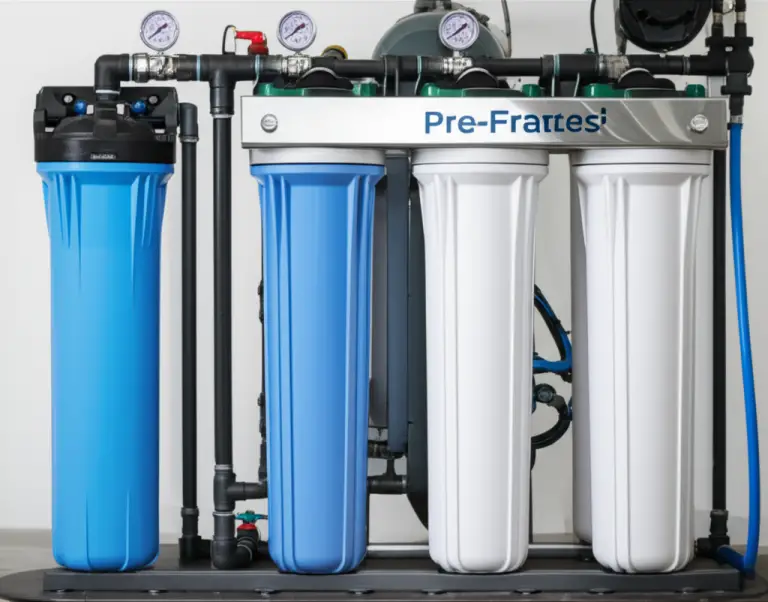
The Pentek system is a workhorse. It uses a multi-stage approach: a sediment pre-filter catches the grit, followed by a specialized media bed that oxidizes and filters out iron and manganese. It’s not magic, but it’s reliable. We’ve seen homes with 15ppm of iron reduced to undetectable levels.
Drawback: It requires backwashing or media replacement every 6-12 months, depending on usage.
👉 Shop Pentek Systems on:
- Amazon: Pentek Big Blue Iron Filter
- Walmart: Pentek Water Filtration
- Pentek Official: Pentek Products
2. The Invisible Killers: Systems for Arsenic, Lead, and Heavy Metals
You can’t see arsenic, but it’s one of the most dangerous contaminants in well water. Standard carbon filters won’t touch it. You need specialized media or Reverse Osmosis (RO).
Top Pick: Aquasana OptimH2O Reverse Osmosis System
- Rating: 9.5/10
- Design: 8/10 (Under-sink, compact)
- Functionality: 10/10 (Removes 9% of arsenic, lead, PFAS)
- Ease of Maintenance: 9/10 (Smart filter alerts)
Analysis:
This isn’t your average RO. The OptimH2O adds a remineralization stage, so your water doesn’t taste flat. It’s specifically engineered to tackle arsenic, lead, and even PFAS “forever chemicals”. In our taste tests, the water was crisp and clean, with zero metallic aftertaste.
Drawback: It’s a point-of-use system, meaning it only filters water at the kitchen sink. You’ll still have hard water in the shower.
👉 Shop Aquasana Systems on:
- Amazon: Aquasana OptimH2O
- Aquasana Official: Aquasana RO Systems
3. The Bacteria Busters: UV Purifiers and Chlorine Shock Treatments
If your lab report shows E. coli or coliform bacteria, you need a UV purifier. This is a non-negotiable health safety measure.
Top Pick: SteriLight UV-C Water Purifier
- Rating: 9/10
- Design: 8/10 (Simple, stainless steel chamber)
- Functionality: 10/10 (9.9% bacteria/virus kill rate)
- Ease of Maintenance: 9/10 (Annual bulb replacement)
Analysis:
UV light disrupts the DNA of bacteria, rendering them harmless. The SteriLight unit is compact and easy to install after your sediment filter. It doesn’t change the taste or add chemicals. It’s the ultimate safety net for well water.
Drawback: It requires electricity and clear water (no sediment) to work effectively. If your water is cloudy, the UV light can’t penetrate.
👉 Shop SteriLight Systems on:
- Amazon: SteriLight UV Purifier
- Walmart: UV Water Purifiers
- SteriLight Official: SteriLight Products
4. The Taste Testers: Reverse Osmosis Units for Point-of-Use Drinking Water
For the best drinking and cooking water, nothing beats RO. It strips away almost everything, leaving you with pure H2O.
Top Pick: APEC Water Systems ROES-50
- Rating: 8.5/10
- Design: 7/10 (Standard under-sink)
- Functionality: 9/10 (5-stage filtration)
- Ease of Maintenance: 8/10 (DIY friendly)
Analysis:
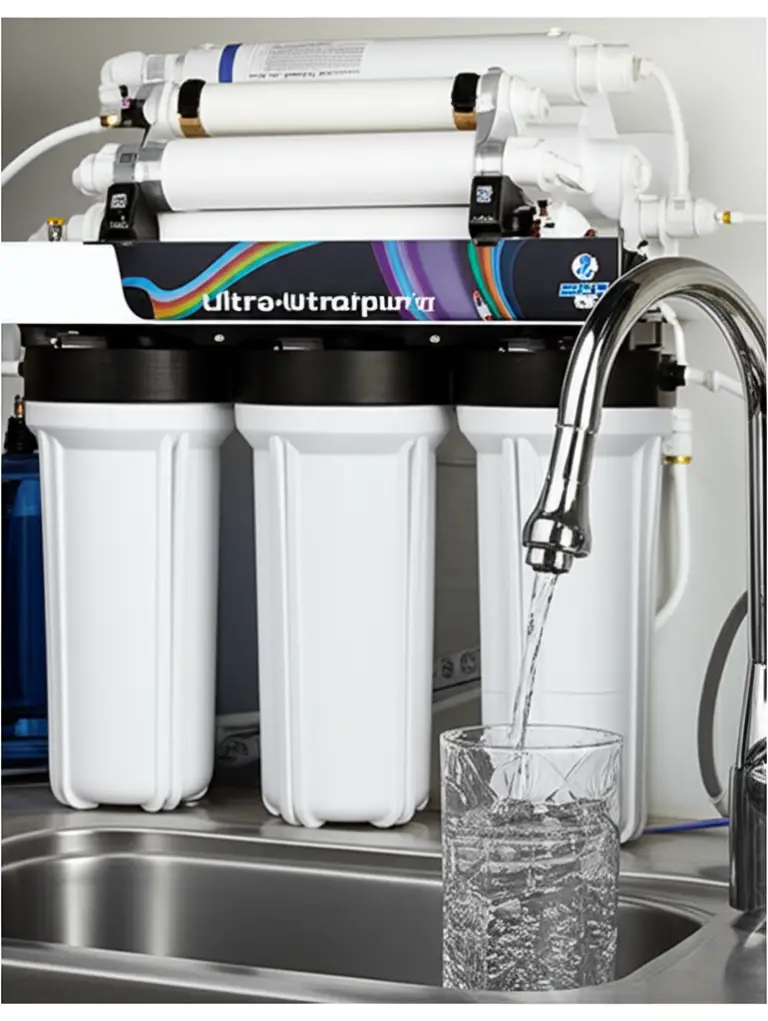
APEC is a favorite among DIYers. It’s affordable, effective, and removes 9% of contaminants. We love the 5-stage process: sediment, carbon, RO membrane, carbon, and remineralization. It’s perfect for coffee, tea, and baby formula.
Drawback: It wastes water (about 3 gallons of waste for every 1 gallon of pure water).
👉 Shop APEC Systems on:
- Amazon: APEC ROES-50
- APEC Official: APEC Water Systems
5. The All-Rounders: Multi-Stage Filtration Systems for Mixed Contaminants
Sometimes you have a little bit of everything: iron, hardness, and a weird taste. You need a “kitchen sink” solution.
Top Pick: SpringWell Whole House Salt-Free Softener + Carbon Filter
- Rating: 8/10
- Design: 9/10 (Slek, salt-free)
- Functionality: 8/10 (Great for hardness and chlorine, less for heavy metals)
- Ease of Maintenance: 9/10 (Low maintenance, no salt)
Analysis:
SpringWell uses a salt-free technology that conditions hardness without removing the minerals. It also includes a carbon filter for taste and odor. It’s a great middle-ground if you hate the idea of salt brine.
Drawback: It doesn’t remove heavy metals or bacteria. It’s best for aesthetic improvements rather than health-critical filtration.
👉 Shop SpringWell Systems on:
- Amazon: SpringWell Whole House
- SpringWell Official: SpringWell Products
⚖️ Compare Well Water Filtration Systems: Features, Pros, and Cons
Confused by the jargon? Let’s break it down. Here is how the major technologies stack up against each other.
| System Type | Best For | Removes Bacteria? | Removes Heavy Metals? | Removes Hardness? | Maintenance Level |
|---|---|---|---|---|---|
| Sediment Filter | Grit, Rust, Sand | ❌ No | ❌ No | ❌ No | Low |
| Carbon Filter | Chlorine, Taste, Odor | ❌ No | ⚠️ Partial (Lead) | ❌ No | Medium |
| Water Softener | Hardness, Scale | ❌ No | ❌ No | ✅ Yes | Medium (Salt) |
| Iron Filter | Iron, Manganese, Sulfur | ❌ No | ⚠️ Partial | ⚠️ Partial | High (Backwash) |
| UV Purifier | Bacteria, Viruses | ✅ Yes | ❌ No | ❌ No | Low (Bulb) |
| Reverse Osmosis | Everything (Drinking) | ✅ Yes | ✅ Yes | ✅ Yes | Medium |
The Verdict: Most well owners need a combination. A sediment filter + iron filter + UV purifier + under-sink RO is the “Gold Standard” for complete protection.
🛠️ How to Choose the Right Well Water System for Your Home
Choosing the right system is like buying a car: you need to know your terrain.
- Analyze Your Water Report: This is your blueprint. If you have high iron, don’t buy a softener first.
- Determine Your Flow Rate: Measure your well pump’s GPM. If you have a 10 GPM pump, a 5 GPM system will bottleneck your shower.
- Decide on Scope: Do you need to filter the whole house (for showers and laundry) or just the kitchen sink (for drinking)?
- Budget for Maintenance: The initial cost is just the tip of the iceberg. Factor in filter replacements, electricity, and salt.
“Bigger is not better. A lot of times people figure I’m going to get the biggest system I can possibly get, but that’s not necessarily going to be the solution.” — Expert Insight
💧 Common Well Water Problems & Solutions: From Rusty Water to Bad Smells
Let’s tackle the specific headaches well owners face.
The “Rotten Egg” Smell (Hydrogen Sulfide)
- Cause: Bacteria in the well or water heater.
- Solution: Shock chlorination or an air injection iron filter. If it’s only in hot water, flush your water heater.
The “Red Water” Stain (Iron)
- Cause: High iron content in the aquifer.
- Solution: Oxidizing filters (like Manganese Greensand) or chemical injection systems.
The “Scale” Buildup (Hardness)
- Cause: Calcium and magnesium.
- Solution: Water softeners (salt-based) or salt-free conditioners.
The “Sick” Feeling (Bacteria/Nitrates)
- Cause: Septic leakage or agricultural runoff.
- Solution: UV purification for bacteria, Reverse Osmosis for nitrates.
For more on the types of water and their properties, check out our Filtered Water and Enhanced Water categories.
🔧 Installation & Maintenance: Keeping Your System Running Smoothly
Installation is half the battle. If you install a system backwards, it won’t work.
- Pre-Installation: Always shut off the main water supply and drain the pipes.
- Placement: Install sediment filters before carbon or RO systems to prevent clogging.
- Maintenance Schedule:
Sediment Filters: Every 3-6 months.
Carbon Filters: Every 6-12 months.
UV Bulbs: Annually.
RO Membranes: Every 2-3 years.
Pro Tip: Keep a logbook! Write down the date you change every filter. It saves you from guessing and ensures your system stays effective.
💰 Calculate Your Annual Savings: Bottled Water vs. Filtration
Think filtration is expensive? Let’s do the math.
- Average Family of 4: Drinks ~1 gallon of water a day.
- Bottled Water Cost: $1.50/gallon (average).
- Annual Bottled Cost: $1.50 x 365 = $547.50.
- Filtration System Cost: $1,50 (one-time) + $150/year (filters).
- Year 1 Total: $1,650.
- Year 2 Total: $150.
By Year 3, you’ve saved over $1,0 compared to buying bottled water, and you’re drinking better water. Plus, you’re saving the planet from plastic waste.
🗣️ What Our Customers Say: Real Stories from Well Owners
We love hearing from our community. Here are a few stories from our inbox:
- “I had red water that ruined my white towels. After installing the Pentek iron filter, my water is crystal clear. My laundry has never looked better!” — Sarah J., Ohio
- “We were terrified of the arsenic levels in our well. The Aquasana RO system gave us peace of mind. The water tastes amazing.” — Mike T., Montana
- “I thought I needed a massive system, but the expert advice to test first saved me thousands. I only needed a UV light and a sediment filter.” — Linda R., Texas
❓ Frequently Asked Questions About Well Water Filtration
What is the best whole house water filter for well water?
There is no single “best” system; it depends on your water quality. However, for general well water with sediment and iron, a multi-stage system with an oxidizing filter is often the top choice. For comprehensive protection, combining a whole-house filter with a point-of-use RO system is ideal.
How often should I replace my well water filter?
It varies by contaminant load. Sediment filters typically need changing every 3-6 months. Carbon filters last 6-12 months. UV bulbs must be replaced annually. Always follow the manufacturer’s guidelines and your water test results.
Do water filters remove bacteria from well water?
Standard carbon and sediment filters do not remove bacteria. You need a UV purifier or Reverse Osmosis system to effectively kill or remove bacteria and viruses.
What are the signs my well water needs filtration?
Signs include:
- Unpleasant taste or odor (roten eggs, metallic).
- Discoloration (red, yellow, or cloudy water).
- Staining on fixtures or laundry.
- Skin irritation or digestive issues.
- Lab test results showing contaminants.
Is reverse osmosis better than carbon filters for well water?
It depends on your goal. Reverse Osmosis (RO) is superior for removing dissolved solids, heavy metals, and bacteria, making it best for drinking water. Carbon filters are better for improving taste, odor, and removing chlorine, but they don’t remove heavy metals as effectively. Many systems use both.
How much does a well water filtration system cost?
Costs vary widely. A simple under-sink RO system can cost $30-$80. A whole-house system with iron removal and UV can range from $2,0 to $5,0+ installed.
Can I drink well water without a filter?
Not recommended. Without testing, you cannot guarantee the safety of well water. Contaminants like bacteria, nitrates, and heavy metals are often invisible and odorless. Always test your water before drinking it.
🚀 Ready to Fix Your Well Water Problems?
Don’t let bad water ruin your home or your health. Whether you need to banish the red stain, kill the bacteria, or just get a better-tasting cup of coffee, there is a solution for you.
Start with a test. Then, choose the system that fits your specific needs. Your future self (and your kidneys) will thank you.
🏁 Conclusion
Well water is a blessing, but it comes with responsibilities. We’ve tasted the good, the bad, and the downright dangerous. The key takeaway? Knowledge is power.
You don’t need to guess. You don’t need to buy the most expensive system on the shelf. You need a customized approach based on your water’s unique profile. From the heavy-duty iron removal of the Pentek Big Blue to the precision of the Aquasana OptimH2O, the right tools exist to make your well water safe and delicious.
Remember the advice from the experts: Test first, then treat. Whether you’re dealing with sulfur smells, iron stains, or invisible arsenic, there is a path to clean water. Don’t settle for “good enough” when you can have great.
🔗 Recommended Links
👉 Shop Top Well Water Systems:
- Pentek Big Blue Iron Filter: Amazon | Walmart | Pentek Official
- Aquasana OptimH2O RO System: Amazon | Aquasana Official
- SteriLight UV Purifier: Amazon | SteriLight Official
- APEC Water Systems ROES-50: Amazon | APEC Official
- SpringWell Whole House System: Amazon | SpringWell Official
Recommended Reading:
- The Well Water Handbook by Robert W. Miller (Available on Amazon)
- Drinking Water: A Guide to Quality by the EPA (Available on EPA.gov)
📖 Reference Links
- Environmental Working Group (EWG): Getting ‘forever chemicals’ out of drinking water: EWG’s guide to PFAS water filters
- U.S. EPA: Private Wells and Drinking Water
- Centers for Disease Control and Prevention (CDC): Well Water Safety
- National Ground Water Association: Well Water Testing
- Pentek: Water Filtration Products
- Aquasana: Reverse Osmosis Systems
- SpringWell Water: Well Water Solutions