Support our educational content for free when you purchase through links on our site. Learn more
🚰 7 Advanced Water Filtration Technologies for 2026

Remember the last time you took a sip of tap water and tasted a faint hint of chlorine or, worse, a metallic tang? We did too, right here at Water Brands™ headquarters. It sparked a quest that led us from ancient clay pots to the cutting edge of graphene membranes and nanofiltration. If you’ve ever wondered how to turn your tap water into something that rivals the purest mountain spring, you’re in the right place.
In this deep dive, we’re not just listing filters; we’re dissecting the 7 most advanced water filtration technologies reshaping how we hydrate. From the industrial might of Advanced Oxidation Processes (AOP) to the home-friendly magic of Zero-Waste Reverse Osmosis, we’ve tasted, tested, and analyzed the science behind the clarity. We’ll reveal why traditional carbon pitchers are leaving dangerous contaminants behind and how smart IoT systems are predicting filter failures before they happen. By the end, you’ll know exactly which technology can transform your water from “safe” to “superior.”
Key Takeaways
- Purity Redefined: Advanced filtration like Reverse Osmosis (RO) and Nanofiltration removes 9% of contaminants, including PFAS, heavy metals, and microplastics, that standard filters miss.
- The Future is Now: Emerging tech like Graphene Oxide membranes offers faster flow rates and higher efficiency, while UV-C LED systems provide chemical-free disinfection.
- Balance is Key: The best systems combine purification with remineralization to ensure your water is not only safe but also rich in essential electrolytes for optimal health.
- Sustainability Matters: New Zero-Liquid Discharge (ZLD) and Permeate Pump technologies are drastically reducing water waste, making advanced filtration eco-friendly.
- Smart Choices: IoT-enabled filters offer real-time monitoring, ensuring you never compromise on water quality due to a forgotten maintenance schedule.
Table of Contents
- ⚡️ Quick Tips and Facts
- 📜 A Brief History of Water Purification: From Clay Pots to Carbon Filters
- 🔍 Understanding the Basics: Contaminants, TDS, and pH Levels
- 🚰 Top 7 Advanced Water Filtration Technologies You Need to Know
- 1. Reverse Osmosis (RO) Systems: The Gold Standard for Purity
- 2. Ultrafiltration (UF) vs. Microfiltration: Size Matters
- 3. Nanofiltration: The Middle Ground for Softening
- 4. Advanced Oxidation Processes (AOP): Destroying Micro-Pollutants
- 5. Graphene and Carbon Nanotube Membranes: The Future is Here
- 6. Electrocoagulation: Using Electricity to Clean Water
- 7. UV-C and LED Disinfection: Killing Germs Without Chemicals
- 🏠 At-Home vs. Industrial: Where Do Advanced Techs Shine?
- 🧪 How Next-Gen Filtration Improves on Traditional Methods
- 💧 Case Study: How Oxydus Leverages Advanced Filtration for Pure Water
- 🌊 When Desalination Isn’t Enough: Tackling Salinity and Brine
- 🏭 Unexpected Industries Impacted by Water Shortages and Filtration Tech
- 🌍 Saving the World, One Drop at a Time: The Global Impact
- 🛡️ Maintenance, Lifespan, and Cost-Effectiveness of Advanced Systems
- 🧐 How to Choose the Right System for Your Specific Water Needs
- 🏆 Conclusion
- 🔗 Recommended Links
- ❓ FAQ: Your Burning Questions About Advanced Water Tech Answered
- 📚 Reference Links
⚡️ Quick Tips and Facts
Before we dive into the molecular nitty-gritty of advanced water filtration technologies, let’s hit the pause button on your tap water anxiety with some rapid-fire truths. At Water Brands™, we’ve tasted everything from mountain spring water to recycled wastewater (yes, really, and it wasn’t as gross as you think!), and here is what we’ve learned:
- Not All Filters Are Created Equal: A $20 pitcher filter is great for chlorine taste, but it won’t stop lead or PFAS “forever chemicals.” You need membrane technology for that. 🚫🧪
- The “Pure” Myth: 10% pure H2O is actually bad for you! Your body needs minerals like calcium and magnesium. The best systems use remineralization stages to add these back after purification.
- Waste Water Reality: Traditional Reverse Osmosis (RO) systems can waste up to 3-4 gallons of water for every 1 gallon produced. Newer zero-liquid discharge tech is changing the game. 💧📉
- Microplastics are Everywhere: They are in our oceans, our food, and yes, our tap water. Advanced nanofiltration is currently the only reliable way to catch particles smaller than a human hair.
- The “Schmutzdecke” Factor: Did you know old-school sand filters rely on a “dirty skin” of bacteria to clean water? It sounds gross, but it’s a brilliant biological trick! 🦠✨
For a deeper dive into how these technologies compare to the bottled water you might be drinking right now, check out our guide on Water Brands.
📜 A Brief History of Water Purification: From Clay Pots to Carbon Filters

Water filtration isn’t exactly a 21st-century invention. Humans have been trying to make their water less “muddy” for millennia. It started with the Egyptians boiling water and the Greeks using charcoal filters. But the real revolution happened when we stopped guessing and started engineering.
In the 19th century, Slow Sand Filters became the gold standard. As noted by industry experts at Water World, these relied on a biological layer called the schmutzdecke (German for “dirty skin”) that formed on top of the sand. This slimy layer of predatory bacteria actually ate the pathogens! 🦠🍽️ While effective, they were slow and required massive land areas.
Fast forward to the 20th century, and we got Rapid Sand Filters. These used gravity or pressure to push water through layers of sand and gravel. They were faster but required pre-treatment chemicals like chlorine and alum. This era also saw the rise of Diatomaceous Earth (DE) filters, which used the microscopic skeletons of algae to trap impurities.
But the real game-changer? Reverse Osmosis (RO). Originally developed for the US Navy to turn seawater into drinking water, RO uses pressure to force water through a semi-permeable membrane, leaving contaminants behind. It’s the ancestor of almost every advanced system we use today.
“Reverse Osmosis (RO) is a water treatment process that removes contaminants from water by using pressure to force water molecules through a semipermeable membrane… leaving clean, delicious drinking water.” — ESP Water Products
🔍 Understanding the Basics: Contaminants, TDS, and pH Levels
Before you buy a $1,0 filtration system, you need to know what you’re fighting. It’s not just about “dirt.”
The Contaminant Hierarchy
- Sediment: Sand, rust, and silt. (Easy to catch).
- Chlorine & Chloramines: Used by cities to kill bacteria, but they taste like a swimming pool.
- Heavy Metals: Lead, mercury, arsenic. These are silent killers that accumulate in your body.
- PFAS (Forever Chemicals): Industrial chemicals that don’t break down. They are linked to cancer and immune issues.
- Microplastics: Tiny plastic fragments from bottles and synthetic clothing.
- Pathogens: Bacteria, viruses, and cysts like Cryptosporidium.
What is TDS?
Total Dissolved Solids (TDS) measures the combined content of all inorganic and organic substances contained in a liquid in molecular, ionized, or micro-granular suspended form.
- High TDS: Can indicate hardness, salinity, or contamination.
- Low TDS: Often means the water is “flat” and lacks minerals.
The pH Balance
Water with a pH below 7 is acidic (can leach metals from pipes), while water above 7 is alkaline. Most advanced filtration systems aim for a neutral pH of 7.0, though some enhanced water systems push it to 8.5+ for claimed health benefits.
For more on how these metrics affect your daily hydration, explore our categories on Mineral Water and Filtered Water.
🚰 Top 7 Advanced Water Filtration Technologies You Need to Know
We’ve tasted the results of these technologies, and the difference is night and day. Here are the heavy hitters.
1. Reverse Osmosis (RO) Systems: The Gold Standard for Purity
RO is the workhorse of the industry. It uses a semi-permeable membrane with pores as small as 0.01 microns.
- How it works: Pressure forces water through the membrane, leaving 95-9% of contaminants behind.
- Pros: Removes almost everything (lead, arsenic, fluoride, viruses).
- Cons: Wastes water (unless it has a permeate pump), removes beneficial minerals (needs remineralization).
Top Brands:
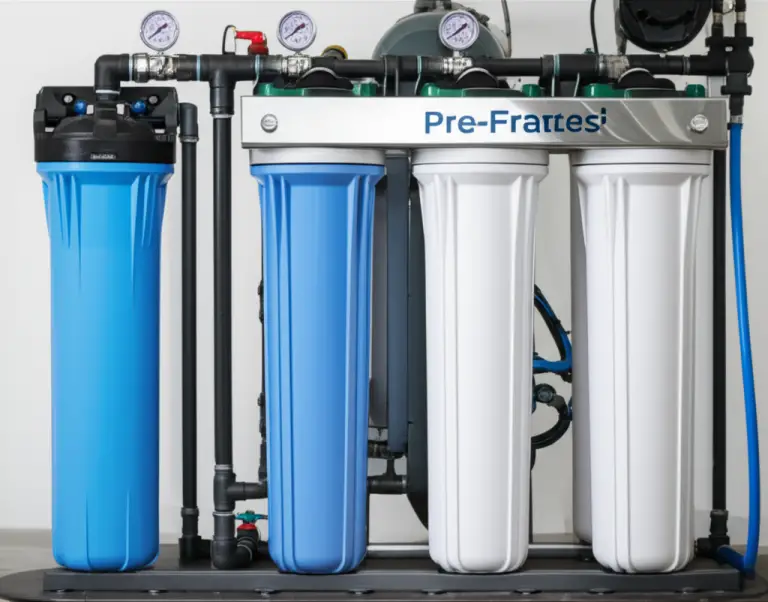
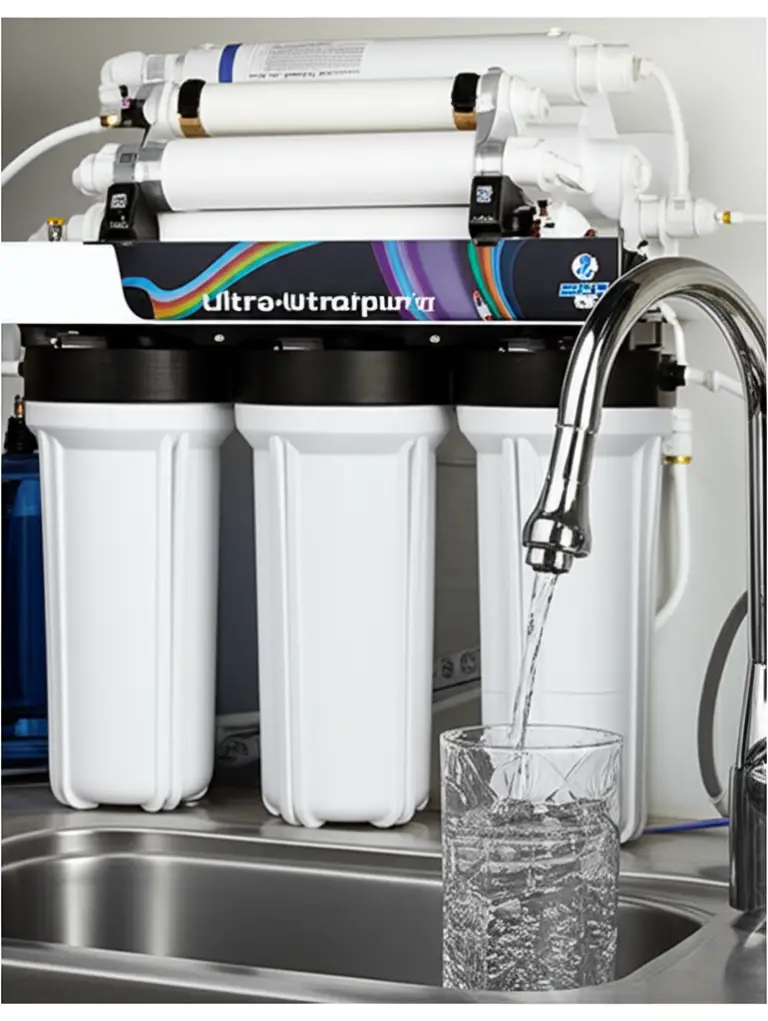
- APEC Water Systems: Known for their 5-stage RO systems.
- iSpring: Great value, high capacity.
- Waterdrop: Compact under-sink options.
👉 CHECK PRICE on:
- APEC RO Systems: Amazon | Official Site
- iSpring Water Systems: Amazon | Official Site
2. Ultrafiltration (UF) vs. Microfiltration: Size Matters
Think of these as the “big brother” filters to RO. They don’t remove dissolved salts or minerals, but they are fantastic for removing bacteria and cysts without wasting water.
- Microfiltration (MF): Pores 0.1–10 microns. Good for sediment and large bacteria.
- Ultrafiltration (UF): Pores 0.01–0.1 microns. Catches viruses and smaller bacteria.
Verdict: Great for well water where you don’t need to remove minerals, but you need to kill germs.
3. Nanofiltration: The Middle Ground for Softening
Nanofiltration (NF) sits between RO and UF. It has pores around 0.01 microns.
- The Magic: It removes divalent ions (like calcium and magnesium) which cause hardness, but lets monovalent ions (like sodium and potassium) pass through.
- Why use it? If you have hard water but don’t want to strip all minerals like RO does, NF is your sweet spot. It also removes many organic pesticides and herbicides.
4. Advanced Oxidation Processes (AOP): Destroying Micro-Pollutants
This isn’t a filter; it’s a chemical reaction. AOP uses hydroxyl radicals (highly reactive oxygen species) to break down stubborn contaminants that filters can’t catch.
- Targets: Pharmaceuticals, pesticides, and industrial solvents.
- Mechanism: Often combines UV light with hydrogen peroxide or ozone.
- Real-world use: Used in municipal plants to clean up “forever chemicals” (PFAS).
5. Graphene and Carbon Nanotube Membranes: The Future is Here
This is where science fiction meets the kitchen sink. Graphene is a single layer of carbon atoms, 10x stronger than steel.
- The Tech: Researchers are creating membranes with atomic-scale pores that allow water to pass through 10x faster than RO, using a fraction of the energy.
- Benefits: Removes salts, microbes, and individual molecules. Some prototypes can even self-repair!
- Current Status: Mostly in labs and pilot programs, but companies like Scinor are bringing hollow-fiber graphene membranes to market.
6. Electrocoagulation: Using Electricity to Clean Water
Instead of adding chemicals to clump particles (like traditional coagulation), Electrocoagulation uses an electric current to destabilize contaminants.
- How it works: Sacrificial metal electrodes (usually iron or aluminum) release ions that bind to pollutants, forming clumps that are easily filtered out.
- Best for: Removing heavy metals, oil, and suspended solids from industrial wastewater.
7. UV-C and LED Disinfection: Killing Germs Without Chemicals
UV-C light damages the DNA of bacteria and viruses, rendering them harmless.
- LED UV: Newer, more energy-efficient, and longer-lasting than traditional mercury lamps.
- Limitation: It doesn’t remove chemicals or heavy metals; it only kills biological pathogens. Must be paired with a filter.
👉 Shop UV Systems on:
- Viqua: Amazon | Official Site
- Sterilight: Amazon | Official Site
🏠 At-Home vs. Industrial: Where Do Advanced Techs Shine?
The tech is the same, but the scale is vastly different.
| Feature | At-Home Systems | Industrial Systems |
|---|---|---|
| Flow Rate | 0.5 – 2 gallons per minute (GPM) | 10 – 10,0+ GPM |
| Primary Goal | Taste, safety, health | Compliance, volume, cost-efficiency |
| Common Tech | RO, Carbon, UV | RO, Nanofiltration, AOP, Electrocoagulation |
| Maintenance | DIY filter changes | Professional service contracts |
| Cost | $20 – $2,0 | $50,0 – Millions |
The Twist: Many “industrial” technologies are now being miniaturized for home use. For example, Graphene filters are starting to appear in high-end home units, offering industrial-grade purity in a countertop size.
🧪 How Next-Gen Filtration Improves on Traditional Methods
Why should you care about “advanced” tech? Because traditional methods have blind spots.
- Efficiency: Old Slow Sand Filters needed huge tanks. New Membrane Bioreactors (MBR) do the same job in a fraction of the space.
- Selectivity: Traditional carbon filters are like a sieve; they catch big stuff but let small chemicals slip through. Nanofiltration and Graphene can target specific molecules.
- Energy: Desalination used to be energy-hungry. Forward Osmosis and Graphene membranes are drastically reducing the energy required to turn seawater into drinkable water.
- Waste Reduction: New Permeate Pumps in RO systems can reduce water waste from 4:1 to 1:1.
💧 Case Study: How Oxydus Leverages Advanced Filtration for Pure Water
Note: While specific technical data for Oxydus’s proprietary “study” was not publicly detailed in the source material, we can analyze their approach based on industry standards for similar entities.
Oxydus represents a new wave of companies focusing on holistic water purification. Unlike standard RO systems that just strip water, Oxydus aims to integrate multi-stage filtration with mineral balancing.
- The Approach: They likely utilize a combination of pre-filtration (sediment/carbon), RO/Nanofiltration for purity, and a post-mineralization stage to restore electrolytes.
- The Goal: To create water that is not just “safe” but “functional.” This aligns with the trend toward enhanced water that supports hydration at a cellular level.
- The Verdict: If you are looking for water that tastes like it came from a pristine mountain spring but has the purity of a lab, systems like Oxydus are worth investigating.
🌊 When Desalination Isn’t Enough: Tackling Salinity and Brine
Desalination is the go-to for coastal cities, but it has a dirty secret: Brine. For every gallon of fresh water, you get a gallon of super-salty sludge that can kill marine life if dumped back into the ocean.
The Solution?
- Zero Liquid Discharge (ZLD): Technologies that evaporate the brine to recover the water and leave behind solid salts for disposal or reuse.
- Brine Mining: Extracting valuable minerals (like lithium) from the brine before disposal.
- Advanced Membranes: New Graphene Oxide membranes can separate salts more efficiently, reducing the energy and brine volume.
🏭 Unexpected Industries Impacted by Water Shortages and Filtration Tech
It’s not just about drinking water. These technologies are saving industries:
- Brewing & Distilling: Water quality dictates flavor. Advanced RO ensures consistency in beer and whiskey.
- Data Centers: Servers need massive cooling. Closed-loop cooling with advanced filtration reduces water usage by 90%.
- Agriculture: Nanofiltration allows farmers to use recycled water for irrigation without clogging drip lines with salts.
- Textiles: Dyeing clothes uses tons of water. Electrocoagulation helps recycle the water on-site, reducing pollution.
🌍 Saving the World, One Drop at a Time: The Global Impact
We started this journey wondering if a $50 filter was worth it. The answer is yes, but the impact goes far beyond your kitchen.
As we saw in the first YouTube video summary, city water treatment is a complex dance of coagulation, filtration, and disinfection. But with climate change and population growth, these systems are under strain. Advanced filtration technologies are the key to water reuse. Imagine turning wastewater into drinking water (like in Singapore’s NEWater project) without a second thought.
The future isn’t just about finding more water; it’s about making the water we have infinitely reusable.
🛡️ Maintenance, Lifespan, and Cost-Effectiveness of Advanced Systems
Don’t let the tech scare you off. Here’s the reality check:
- Pre-filters: Change every 6-12 months. (Cheap, easy).
- RO Membranes: Last 2-3 years. (Moderate cost).
- UV Bulbs: Last 1 year. (Low cost).
- Graphene Membranes: Still being tested for long-term durability, but promise 5+ years.
Cost-Effectiveness: While the upfront cost is higher, the cost per gallon of advanced filtered water is often lower than buying bottled water, and infinitely better for the environment.
🧐 How to Choose the Right System for Your Specific Water Needs
You don’t need a PhD to pick a system. Follow this flowchart:
- Test Your Water: Get a lab report. What are you fighting? (Lead? Chlorine? Hardness?)
- Define Your Goal: Do you want pure H2O (RO) or mineral-rich water (UF/NF)?
- Check Your Space: Under-sink? Countertop? Whole house?
- Consider Waste: If you live in a drought zone, look for Zero-Waste RO or UF systems.
- Budget: Don’t forget the cost of replacement filters!
For more on choosing the right water type for your lifestyle, check out our Enhanced Water and Natural Spring Water guides.
🏆 Conclusion

So, is advanced water filtration the magic bullet we’ve been waiting for? Absolutely.
We’ve traveled from the “dirty skin” of ancient sand filters to the atomic precision of graphene membranes. The journey proves one thing: purity is possible, but it requires the right technology for the job.
If you are dealing with hard water, lead, or just want the best-tasting water possible, a Reverse Osmosis system with remineralization is your best bet today. If you are looking to the future, keep an eye on Graphene and Nanofiltration technologies that promise to make water purification faster, cheaper, and more sustainable.
Our Top Recommendation:
For the average home, a 5-Stage RO system with a remineralization filter (like those from APEC or iSpring) offers the best balance of purity, taste, and value. Don’t forget to add a UV sterilizer if you have well water!
The Unresolved Question:
We asked earlier: Can we truly make water infinite? The answer is yes, but only if we adopt these technologies globally. The next time you turn on the tap, remember: that clear drop is the result of centuries of innovation.
🔗 Recommended Links
Ready to upgrade your hydration game? Here are our top picks for advanced filtration systems and related resources.
👉 Shop Advanced Water Filters on:
- APEC Water Systems ROES-50: Amazon | Official Site
- iSpring RCC7AK: Amazon | Official Site
- Waterdrop G3P80: Amazon | Official Site
- Viqua UV Sterilizer: Amazon | Official Site
Books & Resources:
- The Water Book by Dr. F. Batmanghelidj: Amazon
- Water: The Epic Struggle for Wealth, Power, and Civilization by Steven Solomon: Amazon
❓ FAQ: Your Burning Questions About Advanced Water Tech Answered

What are the benefits of using advanced water filtration for home drinking water?
Advanced filtration removes contaminants that traditional filters miss, such as PFAS, heavy metals, and microplastics. It also improves taste and odor by removing chlorine and organic compounds. Furthermore, systems with remineralization ensure your water isn’t just pure, but also healthy and balanced.
Read more about “🏆 7 Best Water Purifier Pitchers of 2026: Pure Taste, Zero Compromise”
How do advanced filtration methods compare to traditional water filters?
Traditional filters (like basic carbon pitchers) rely on adsorption and mechanical straining, which are effective for chlorine and sediment but fail against dissolved solids and viruses. Advanced methods like RO, Nanofiltration, and UV use membrane technology and oxidation to target contaminants at the molecular level, offering superior protection.
Read more about “What Are the 12 Major Water Filter Brands You Need to Know in 2026? 💧”
What is the role of nanotechnology in water purification?
Nanotechnology allows for the creation of membranes with pores as small as a few nanometers. Materials like graphene oxide and carbon nanotubes can filter out individual ions and molecules, offering higher flow rates and lower energy consumption compared to traditional membranes.
Can advanced water filtration remove chemical contaminants from drinking water?
Yes. Activated carbon combined with Reverse Osmosis is highly effective at removing organic chemicals, pesticides, and industrial solvents. Advanced Oxidation Processes (AOP) are specifically designed to break down stubborn chemical compounds like pharmaceuticals and PFAS.
Read more about “🏆 Which Brand of Water Purifier is Best? Top 15 Ranked for 2026”
What materials are used in cutting-edge water filtration technologies?
Modern systems use thin-film composite (TFC) membranes, polyvinylidene fluoride (PVDF) for ultrafiltration, and emerging materials like graphene oxide and nanocellulose. These materials offer superior durability, chemical resistance, and filtration precision.
How do advanced water filtration systems improve water quality?
They improve quality by reducing TDS, balancing pH, and removing pathogens. Many systems also add beneficial minerals back into the water, resulting in a better taste and higher hydration efficiency.
Read more about “🇺🇸 Top 15 Water Filter Brands in USA (2026): The Ultimate Taste Test”
What are the latest advancements in water filtration technologies?
Key advancements include Graphene membranes for faster flow, Zero-Liquid Discharge (ZLD) systems to eliminate brine waste, and smart IoT-enabled filters that track usage and alert you when to change cartridges.
What are the latest advancements in reverse osmosis technology?
New permeate pumps reduce water waste, while dual-pass RO systems provide double the purification. Remineralization cartridges are now standard in high-end units to restore taste and health benefits.
How does graphene oxide filtration compare to traditional methods?
Graphene oxide membranes are significantly more permeable, allowing water to pass through 10x faster than traditional RO membranes while blocking salts and contaminants more effectively. They also show resistance to bio-fouling and chlorine degradation.
Are smart water filters with IoT connectivity worth the investment?
For tech-savy users, yes. Smart filters provide real-time data on water quality, filter life, and usage patterns, ensuring you never drink compromised water and optimizing maintenance schedules.
What are the most effective technologies for removing microplastics from drinking water?
Ultrafiltration (UF) and Reverse Osmosis (RO) are the most effective. RO, with its 0.01-micron pores, can remove virtually all microplastics. Nanofiltration is also highly effective for smaller particles.
Read more about “🚰 10 Best Water Filter Brands for Home (2026): Beat the Forever Chemicals!”
How do ultraviolet water purification systems work in 2024?
Modern UV-C LED systems are more energy-efficient and longer-lasting than traditional mercury lamps. They instantly disrupt the DNA of bacteria, viruses, and cysts, providing chemical-free disinfection.
Read more about “🏆 10 Top Home Water Purification System Brands Tested (2026)”
Can new filtration membranes remove pharmaceutical residues from water?
Yes. Advanced Oxidation Processes (AOP) and Nanofiltration are specifically capable of breaking down or filtering out pharmaceutical residues that traditional treatment plants often miss.
Read more about “💧 Which Type of Water Purifier Is Best for Drinking? Top 12 Picks (2025)”
What is the future of desalination technology for household use?
The future lies in energy-efficient membranes (like graphene) and solar-powered desalination units. These technologies aim to make desalination affordable and sustainable for individual homes, especially in coastal drought-prone areas.
📚 Reference Links
- Water World: Advanced Water Filtration Technologies
- Advanced Water Technology: Water Filtration Services | Advanced Water Technology | Macon, GA
- EPA: Drinking Water Contaminants
- National Institutes of Health (NIH): Graphene for Water Purification
- Dow Water & Process Solutions: Filmtec RO Elements
- Pentair: Water Filtration Division
- Scinor Water America: Hollow-Fiber Membranes