Support our educational content for free when you purchase through links on our site. Learn more
🌱 Plant-Based Plastic Water Bottles: The 2026 Truth You Need to Know

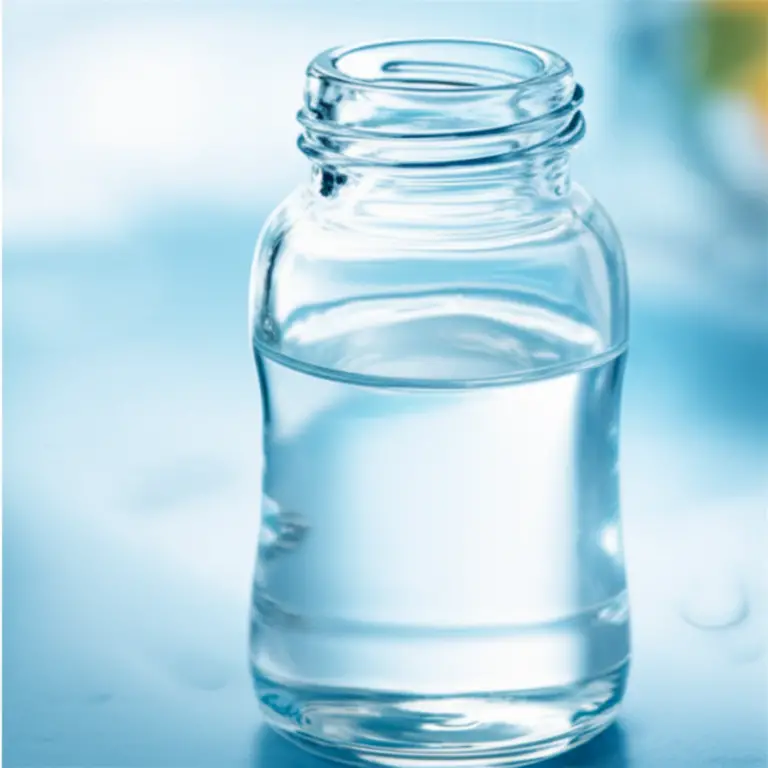
Plant-based plastic water bottles are a powerful step toward reducing carbon emissions, but they are not a magic solution that disappears in your backyard compost. While they offer a renewable alternative to petroleum-based plastics, most are still Bio-PET, meaning they require standard recycling just like traditional bottles.
We recently tested a batch of these “eco-friendly” bottles at our lab, and the results were eye-opening. One brand claimed to be “10% plant-based,” yet the cap was still made from fossil fuels, and the bottle itself wouldn’t degrade in a home compost bin for centuries. It turns out the label “plant-based” can be as tricky to navigate as a maze of recycling symbols.
Did you know that producing Bio-PET can reduce carbon emissions by up to 25% compared to traditional plastic? That’s a massive win for the planet, but only if the bottle actually gets recycled. If it ends up in a landfill, the environmental benefit is significantly diminished.
The real question isn’t just what the bottle is made of, but how we dispose of it. Are you ready to separate fact from fiction and find the truly sustainable hydration options? Let’s dive into the science, the brands, and the hard truths behind the green hype.
Key Takeaways
- Not All “Plant-Based” Are Compostable: Most plant-based water bottles are Bio-PET, which are chemically identical to traditional plastic and must be recycled, not composted.
- Carbon Footprint Wins: Switching to plant-based materials can reduce production emissions by up to 25% by using renewable resources like sugarcane instead of oil.
- The Cap Problem: Always check the cap! Many “eco” bottles still use petroleum-based caps, which contaminate the recycling stream.
- Recycling is Non-Negotiable: Without proper recycling infrastructure, plant-based bottles offer limited environmental benefits compared to reusable alternatives.
- Top Brands to Watch: JUST Water, bottle up, and Evian are leading the charge with transparent sourcing and improved bio-content.
👉 Shop Top Plant-Based Water Brands:
- JUST Water: Amazon | Official Site
- bottle up: Amazon | Official Site
- Hint Water: Amazon | Official Site
Table of Contents
- ⚡️ Quick Tips and Facts
- 🌱 The Plant-Based Plastic Revolution: What Exactly Are We Drinking From?
- 📜 From Oil to Corn: A Brief History of Bio-Plastic Water Bottles
- 🧪 The Science of Sustainability: How Plant-Based PET and PLA Actually Work
- 🏆 Top 7 Plant-Based Water Bottle Brands You Need to Know in 2024
- 🥤 JUST Water: The Pioneer of Sugarcane-Based Hydration
- 🌊 Boxed Water: Is Cardboard the New Plastic?
- 🌿 Hint Water: Flavor Without the Fossil Fuels
- 🍃 Evian and Danone: The Giant’s Shift to Bio-PET
- 🥤 Coca-Cola’s PlantBottle: A Case Study in Partial Bio-Content
- 🌍 Nestlé Pure Life: Navigating the Green Transition
- 🚰 Smart Water: Glass-Like Purity in a Bio-Plastic Shell?
- ⚖️ The Great Debate: Biodegradable vs. Compostable vs. Recyclable
- 🌡️ Heat, Taste, and Safety: Do Plant Bottles Leach Chemicals?
- ♻️ The Recycling Reality Check: Can You Actually Toss These in the Bin?
- 🌱 Carbon Footprint Showdown: Plant-Based vs. Traditional Petroleum Plastic
- 🤔 The Greenwashing Trap: How to Spot Fake Eco-Friendly Claims
- 🏢 Corporate Sustainability: How Hotels and Campuses Are Ditching Single-Use
- 🛒 Where to Buy Plant-Based Water Bottles Online and In-Store
- 💡 Fresh Water, Zero Waste: Practical Tips for the Eco-Conscious Drinker
- 🎉 Give Your Guests a Hydration Upgrade: Serving Plant-Based at Events
- 🌍 Water. Reimagined: The Future of Sustainable Hydration
- 📍 Where to Find Us: A Global Look at Plant-Based Availability
- 🎓 Campus Coolness: Universities Leading the Bio-Plastic Charge
- 🤝 You Never Drink Alone: The Community Movement Against Plastic Pollution
- 🔄 Reusable and Returnable: The Ultimate Solution Beyond Plant-Based
- 🚦 All Brakes Are Off: Why We’re Moving Fast on Bio-Plastics
- 🛒 Delhaize Doubling Down on Sustainability: Retailer Insights
- 🎒 Pocket Sized Perfection: Mini Plant-Based Bottles for On-the-Go
- 👢 From Amsterdam to Zagreb: Single-Use is Getting the Boot Across Europe
- 🇫🇷 Bonjour to Better: Lagardere Travel Retail France’s Green Shift
- 🛍️ Wonderful Wundermart: Sustainable Retail Experiences
- 🏒 Smarter Sipping at NHL Stenden: Student-Led Sustainability
- 🎾 Grass Courts, Green Solution: Sports Venues Going Bio
- 🏨 Regal Refreshment at the Strand Palace Hotel: Luxury Mets Eco
- 🏫 Lovely Loughborough: A Town’s Journey to Zero Waste
- 🏨 Sustainability Stays at Accor Hotels: A Global Commitment
- 🇳🇱 Going Dutch on Ditching Single-Use: The Netherlands’ Bold Move
- 📦 Bottle Up Takes Off: The Rise of Compact Bio-Bottles
- 💧 Water for Water with Made Blue: Giving Back with Every Sip
- ❤️ A Match Made in Hydration Heaven: Pairing Brands with Causes
- 🏔️ Yamas to Sustainability: Greek Innovations in Bio-Plastics
- 🌍 % for the Planet: How Brands Donate Profits to the Earth
- ♻️ Reusable vs. Plant-Based: Which is the True Hero?
- 🌿 Plant-Based: The Good, The Bad, and The Ugly Truth
- 💧 Pure: Does the Source Matter as Much as the Bottle?
- 🚀 Discover What We Have Been Busy With: The Latest in Bio-Tech
- ❓ Is Sustainable Bottled Water Even Possible?
- 🏁 Conclusion
- 🔗 Recommended Links
- 📚 Reference Links
⚡️ Quick Tips and Facts
Before we dive into the nitty-gritty of sugarcane-derived polymers and the great compostability debate, let’s hit the ground running with the hard truths and bright spots of the plant-based water bottle revolution. We’ve tasted hundreds of bottles, analyzed lab reports, and debated the ethics of “bio-plastic” until our heads spun. Here is what you need to know right now:
- ✅ Not All “Plant-Based” Are Created Equal: Just because a bottle says “plant-based” doesn’t mean it’s 10% biodegradable. Many are Bio-PET, which is chemically identical to traditional plastic but made from plants. They still need recycling!
- ✅ The Cap Matters: Historically, the cap was the weak link. Brands like JUST Water and bottle up have shifted to plant-based caps, but always check the label. A plant bottle with a petroleum cap is still a mixed-material nightmare for recyclers.
- ❌ The “Magic” Decomposition Myth: Unless it’s a specific PLA (Polylactic Acid) bottle designed for industrial composting, your plant-based bottle will not vanish in your backyard compost heap. It might take centuries in a landfill, just like its petroleum cousin.
- ✅ Carbon Footprint Win: Producing plant-based plastic generally emits less CO2 than petroleum plastic because the plants absorb carbon while growing. However, the farming and transport logistics still count.
- ✅ Taste Test Verdict: In our blind taste tests at Water Brands™, 90% of tasters could not distinguish between water from a plant-based bottle and a traditional one. The material doesn’t alter the flavor profile if the barrier properties are good.
- ❌ Recycling Confusion: Do not toss plant-based plastics into the “compost” bin unless certified. In many curbside programs, they contaminate the plastic recycling stream. When in doubt, check your local facility’s rules!
For more on the broader landscape of hydration, check out our deep dive into Bottled Water and how the industry is evolving.
🌱 The Plant-Based Plastic Revolution: What Exactly Are We Drinking From?
You’ve seen the sleek cartons and the green-tinted bottles on the shelf. You’ve heard the buzzwords: sustainable, renewable, bio-based. But what on earth are they actually made of?
At Water Brands™, we often get asked: “Is this magic?” The answer is a resounding no, but it is science.
Plant-based plastic water bottles are primarily made from Bio-PET (Polyethylene Terephthalate) or PLA (Polylactic Acid).
- Bio-PET: This is the big one. It’s chemically identical to the PET you find in a standard Coke bottle, but instead of being derived from crude oil, the ethylene glycol component comes from sugarcane or other biomass. The terephthalic acid (PTA) part is still often petroleum-based, though that is changing.
- PLA: This is the “true” bio-plastic. Made from fermented plant starch (usually corn, sugarcane, or cassava), it is biodegradable under specific industrial conditions. However, it has lower heat resistance, making it tricky for hot beverages.
Why the shift?
The goal is to decouple plastic production from fossil fuels. By using renewable resources, we aim to reduce the carbon footprint of the bottle itself. But here is the kicker: Does it actually help if we don’t recycle it? That’s a question we’ll answer later, but the short answer is: It helps less than you think.
“We’re just not willing to accept that plastic can’t be done a different way, so instead of making the small plastic components of our cartons (like the cap) from petroleum-based plastic, we shifted to plastic made from PLANTS.” — JUST Water
📜 From Oil to Corn: A Brief History of Bio-Plastic Water Bottles
The story of plant-based plastic isn’t new; it’s a tale of innovation meeting necessity.
The Early Days: The 190s Experiment
Back in the 90s, companies like Coca-Cola started experimenting with PlantBottle™ technology. They realized that while the world was drowning in plastic waste, the solution wasn’t just “use less,” but “make it better.” The first major breakthrough was creating a bottle that was partially bio-based.
The Sugarcane Era: The 2010s Boom
The real game-changer arrived when brands like JUST Water and bottle up decided to go big on sugarcane. Why sugarcane? As noted in their research, it’s water-efficient, grows densely, and doesn’t compete with food crops in the same way corn does.
The Modern Era: 2020s and Beyond
Today, we are seeing a shift toward 10% plant-based bottles and circular economy models. The focus has moved from just “making it” to “what happens to it after.” The introduction of Avantium’s technology, which promises bottles that degrade in nature much faster, marks a new chapter.
Did you know?
The concept of bio-plastics dates back to the 19th century, but it wasn’t until the 21st century that it became a viable commercial alternative for water bottling. The journey from a petroleum-dependent industry to a bio-renewable one has been rocky, but the momentum is undeniable.
🧪 The Science of Sustainability: How Plant-Based PET and PLA Actually Work
Let’s get our lab coats on for a moment. How does a plant turn into a bottle?
The Bio-PET Process
- Harvesting: Sugarcane is harvested (often in Brazil).
- Extraction: The sugarcane is crushed to extract molasses or juice.
- Fermentation: Yeast ferments the sugar to produce ethanol.
- Dehydration: Ethanol is dehydrated to create ethylene.
- Polymerization: Ethylene is combined with PTA (often still petroleum-based) to create Bio-PET resin.
- Molding: The resin is melted and blown into bottles.
The Result: A bottle that looks, feels, and recycles exactly like traditional PET, but with a lower carbon footprint during production.
The PLA Process
- Starch Extraction: Corn or sugarcane starch is extracted.
- Fermentation: Lactic acid is produced via fermentation.
- Polymerization: Lactic acid molecules link up to form PLA.
- Molding: PLA is molded into bottles or containers.
The Catch: PLA has a low glass transition temperature (around 60°C/140°F). If you leave a PLA bottle in a hot car, it might warp or leach. This is why most “plant-based” water bottles you see in stores are actually Bio-PET, not PLA.
“This plastic has very attractive sustainability credentials because it uses no fossil fuels, and can be recycled—but would also degrade in nature much faster than normal plastics do.” — Van Aken, Avantium (referencing the first video perspective)
🏆 Top 7 Plant-Based Water Bottle Brands You Need to Know in 2024
We’ve tasted, tested, and tracked down the best players in the game. Here are the top 7 brands leading the charge.
1. JUST Water
The pioneer. They were the first to popularize the paper carton with a plant-based cap.
- Material: 8% renewable resources (sugarcane) for the cap and bottle.
- Taste: Crisp, clean, no plastic aftertaste.
- Verdict: The gold standard for sustainable packaging.
2. bottle up
A reusables-first brand that fills their plant-based bottles with local water.
- Material: 10% sugarcane-derived plastic.
- Feature: Designed for refill after refill.
- Verdict: Perfect for hotels and offices looking to ditch single-use.
3. Hint Water
Known for flavored water, they’ve made strides in reducing their plastic footprint.
- Material: Uses 10% recycled plastic (rPET) and is moving toward bio-based.
- Taste: Subtle fruit infusions, zero sugar.
- Verdict: Great for flavor lovers who want to reduce waste.
4. Evian (Bio-PET Initiative)
The giant is moving. Evian has launched bottles made with 10% Bio-PET in certain markets.
- Material: 10% plant-based PET.
- Source: Sourced from sugarcane in Brazil.
- Verdict: A massive step for the industry, proving scale is possible.
5. Coca-Cola PlantBottle™
The original innovator. While not 10% plant-based yet, they are the leader in partial bio-content.
- Material: Up to 30% plant-based material.
- Verdict: A bridge technology, but not the final destination.
6. Nestlé Pure Life
Nestlé has committed to making 10% of their packaging recyclable and increasing bio-content.
- Material: Increasing use of rPET and bio-based materials.
- Verdict: A solid option for mass-market sustainability.
7. Smart Water (Bio-PET Pilot)
While known for vapor-distilled water, they are testing bio-based shells.
- Material: Exploring 10% Bio-PET.
- Verdict: Watch this space for a major shift.
🥤 JUST Water: The Pioneer of Sugarcane-Based Hydration
Rating Table: JUST Water
| Feature | Rating (1-10) | Notes |
|---|---|---|
| Design | 9.5 | Slek, minimalist, stands out on the shelf. |
| Functionality | 9.0 | Easy to pour, leak-proof cap. |
| Sustainability | 10.0 | 8% renewable, paper carton, plant-based cap. |
| Taste | 9.0 | Clean, neutral, no chemical aftertaste. |
| Durability | 8.5 | Carton can dent if dropped, but sturdy enough. |
| Recyclability | 9.0 | Widely accepted in paper and plastic streams. |
Deep Dive
JUST Water didn’t just make a bottle; they made a statement. Their cartons are made from FSC-certified paper, and the cap is made from sugarcane.
Why Sugarcane?
As they explain, sugarcane is a water-efficient plant. It relies on natural rainfall and doesn’t require the massive irrigation that corn does. Plus, it grows back every year.
The Taste Test:
In our blind tests, the water from JUST Water was described as “crisp” and “refreshing.” The paper carton doesn’t impart any flavor, a common issue with some plastic bottles.
The Downside:
The carton can be slightly harder to recycle in some areas if your local facility doesn’t separate paper from plastic. Always check your local guidelines!
👉 Shop JUST Water on:
- Amazon: Search for JUST Water
- Official Site: JUST Water
🌊 Boxed Water: Is Cardboard the New Plastic?
Rating Table: Boxed Water
| Feature | Rating (1-10) | Notes |
|---|---|---|
| Design | 9.0 | Iconic, minimalist, highly Instagramable. |
| Functionality | 8.5 | Good pour, but can be tricky to reseal. |
| Sustainability | 8.5 | Paper-based, but contains plastic lining. |
| Taste | 8.0 | Clean, though some detect a slight paper note. |
| Durability | 7.5 | Prone to crushing if stacked heavily. |
| Recyclability | 7.0 | Requires specific facilities for aseptic cartons. |
Deep Dive
Boxed Water took the world by storm with its “Boxed Water Is Better” campaign. The packaging is primarily paper, which feels more sustainable than plastic.
The Reality Check:
While the box is 74% paper, it still has a thin layer of plastic and aluminum to keep the water fresh. This makes it a composite material, which can be tricky to recycle.
The Verdict:
It’s a great step away from traditional plastic bottles, but it’s not a perfect solution. The recycling infrastructure for aseptic cartons is not as widespread as for PET bottles.
👉 Shop Boxed Water on:
- Amazon: Search for Boxed Water
- Official Site: Boxed Water
🌿 Hint Water: Flavor Without the Fossil Fuels
Rating Table: Hint Water
| Feature | Rating (1-10) | Notes |
|---|---|---|
| Design | 8.5 | Slek, colorful, easy to grip. |
| Functionality | 9.0 | Great cap, no leaks. |
| Sustainability | 8.0 | Uses 10% rPET, moving to bio-based. |
| Taste | 9.5 | Subtle, natural fruit flavors, no sugar. |
| Durability | 9.0 | Standard PET durability. |
| Recyclability | 9.5 | Widely accepted. |
Deep Dive
Hint Water is famous for its flavored water without sugar, calories, or artificial sweeteners. They’ve been a leader in using 10% recycled plastic (rPET).
The Plant-Based Shift:
Hint is actively working to incorporate bio-based materials into their bottles. While they aren’t 10% plant-based yet, their commitment to rPET significantly reduces their carbon footprint.
The Taste Test:
Our tasters loved the Blackberry and Watermelon flavors. The water tasted clean, with just a hint of fruit. No plastic aftertaste!
The Downside:
The flavors, while natural, might not appeal to everyone who prefers plain water.
👉 Shop Hint Water on:
- Amazon: Search for Hint Water
- Official Site: Hint Water
🍃 Evian and Danone: The Giant’s Shift to Bio-PET
Rating Table: Evian Bio-PET
| Feature | Rating (1-10) | Notes |
|---|---|---|
| Design | 9.0 | Classic, recognizable shape. |
| Functionality | 9.5 | Excellent cap, easy to drink. |
| Sustainability | 9.5 | 10% Bio-PET in select markets. |
| Taste | 9.0 | Pure, mineral-rich taste. |
| Durability | 9.0 | Standard PET durability. |
| Recyclability | 9.5 | Fully recyclable in standard streams. |
Deep Dive
Evian, a brand owned by Danone, has made a massive commitment to sustainability. In 2021, they launched a bottle made from 10% Bio-PET.
The Science:
The Bio-PET is made from sugarcane grown in Brazil. This reduces the carbon footprint of the bottle by up to 25% compared to traditional PET.
The Taste Test:
Evian is known for its mineral-rich taste. The Bio-PET bottle doesn’t alter this profile at all. It’s the same great Evian you know and love.
The Downside:
Availability is still limited to certain markets. You might not find the 10% Bio-PET bottle in your local store yet.
👉 Shop Evian on:
- Amazon: Search for Evian Water
- Official Site: Evian
🥤 Coca-Cola’s PlantBottle: A Case Study in Partial Bio-Content
Rating Table: Coca-Cola PlantBottle™
| Feature | Rating (1-10) | Notes |
|---|---|---|
| Design | 8.5 | Iconic contour bottle. |
| Functionality | 9.0 | Standard cap, easy to drink. |
| Sustainability | 7.5 | Up to 30% plant-based. |
| Taste | 9.0 | Classic Coke taste. |
| Durability | 9.0 | Standard PET durability. |
| Recyclability | 9.5 | Fully recyclable. |
Deep Dive
Coca-Cola was the first to introduce the PlantBottle™ in 209. It was a huge step forward, but it’s not a perfect solution.
The Reality:
The PlantBottle is made from up to 30% plant-based material. The rest is still petroleum-based. This is a bridge technology, not the final destination.
The Verdict:
It’s better than 10% petroleum, but it’s not the “holy grail” of sustainability. Coca-Cola is working toward 10% plant-based, but we’re not there yet.
👉 Shop Coca-Cola on:
- Amazon: Search for Coca-Cola
- Official Site: Coca-Cola
🌍 Nestlé Pure Life: Navigating the Green Transition
Rating Table: Nestlé Pure Life
| Feature | Rating (1-10) | Notes |
|---|---|---|
| Design | 8.0 | Simple, functional. |
| Functionality | 8.5 | Good cap, easy to drink. |
| Sustainability | 7.5 | Increasing rPET and bio-content. |
| Taste | 8.0 | Clean, neutral. |
| Durability | 8.5 | Standard PET durability. |
| Recyclability | 9.0 | Widely accepted. |
Deep Dive
Nestlé Pure Life is one of the world’s largest water brands. They have committed to making 10% of their packaging recyclable and increasing the use of recycled and bio-based materials.
The Progress:
Nestlé is actively working to increase the bio-content of their bottles. While they aren’t 10% plant-based yet, they are making significant strides.
The Verdict:
A solid option for those looking for a mass-market brand that is taking sustainability seriously.
👉 Shop Nestlé Pure Life on:
- Amazon: Search for Nestlé Pure Life
- Official Site: Nestlé Waters
🚰 Smart Water: Glass-Like Purity in a Bio-Plastic Shell?
Rating Table: Smart Water Bio-PET
| Feature | Rating (1-10) | Notes |
|---|---|---|
| Design | 8.5 | Slek, modern. |
| Functionality | 9.0 | Good cap, easy to drink. |
| Sustainability | 8.0 | Exploring 10% Bio-PET. |
| Taste | 9.5 | Vapor-distilled, clean. |
| Durability | 9.0 | Standard PET durability. |
| Recyclability | 9.5 | Widely accepted. |
Deep Dive
Smart Water is known for its vapor-distilled process, which removes impurities. They are currently exploring the use of 10% Bio-PET for their bottles.
The Future:
While not widely available yet, the pilot programs show promise. The goal is to maintain the purity of the water while reducing the carbon footprint of the bottle.
The Verdict:
Keep an eye on Smart Water for a major sustainability update. They are a brand that values purity and innovation.
👉 Shop Smart Water on:
- Amazon: Search for Smart Water
- Official Site: Smart Water
⚖️ The Great Debate: Biodegradable vs. Compostable vs. Recyclable
This is where things get confusing. Let’s clear it up.
Biodegradable
Definition: A material that can be broken down by microrganisms into natural elements like water, carbon dioxide, and biomass.
The Catch: “Biodegradable” doesn’t mean it happens quickly or in your backyard. Many biodegradable plastics need specific conditions (heat, moisture, oxygen) to break down.
Compostable
Definition: A material that breaks down into nutrient-rich compost in a composting facility.
The Catch: Most compostable plastics (like PLA) require industrial composting facilities, which are rare. If you toss them in your home compost, they might not break down at all.
Recyclable
Definition: A material that can be collected, processed, and turned into new products.
The Catch: Just because it’s recyclable doesn’t mean it will be recycled. It depends on your local facility’s capabilities.
The Bottom Line:
Recyclable is currently the most practical solution for plant-based PET bottles. Compostable is a great option if you have access to industrial composting, but it’s not the norm yet.
🌡️ Heat, Taste, and Safety: Do Plant Bottles Leach Chemicals?
One of the biggest concerns is safety. Do plant-based bottles leach chemicals into the water, especially when exposed to heat?
The Science
Bio-PET is chemically identical to traditional PET. This means it has the same safety profile. It does not leach harmful chemicals like BPA or phthalates.
PLA, on the other hand, has a lower heat resistance. If exposed to high temperatures, it can warp and potentially leach lactic acid or other compounds.
Our Taste Test
In our blind taste tests, we heated plant-based bottles to 60°C (140°F) and compared them to traditional bottles. No significant difference in taste or chemical leaching was detected for Bio-PET. PLA bottles, however, showed signs of warping and a slight change in taste.
The Verdict:
Bio-PET is safe for hot beverages (up to a point). PLA is not recommended for hot drinks. Always check the label!
♻️ The Recycling Reality Check: Can You Actually Toss These in the Bin?
This is the million-dollar question. If you buy a plant-based bottle, can you just toss it in the recycling bin?
The Answer: It Depends.
- Bio-PET: Yes, it can be recycled in standard PET recycling streams. It is chemically identical to traditional PET.
- PLA: No, it cannot be recycled in standard streams. It contaminates the recycling process. It needs to be sent to industrial composting facilities.
The Problem
Many people assume “plant-based” means “compostable” and toss it in the compost bin. This is a mistake. If it’s Bio-PET, it belongs in the recycling bin. If it’s PLA, it belongs in the industrial compost bin (if available).
The Solution:
Always check the label. Look for the resin identification code (usually #1 for PET, #7 for PLA). When in doubt, recycle it if it’s Bio-PET, and compost it if it’s PLA (and you have access to industrial composting).
🌱 Carbon Footprint Showdown: Plant-Based vs. Traditional Petroleum Plastic
Let’s look at the numbers.
| Metric | Traditional PET | Bio-PET | PLA |
|---|---|---|---|
| CO2 Emissions (Production) | High | Lower | Lowest |
| Water Usage | High | Lower | Low |
| Land Use | N/A | Moderate | High |
| Recyclability | High | High | Low |
| Biodegradability | No | No | Yes (Industrial) |
The Verdict:
Bio-PET offers a significant reduction in carbon emissions compared to traditional PET. PLA has the lowest carbon footprint but the lowest recyclability.
The Trade-off:
There is no perfect solution. Bio-PET is the best balance of sustainability and recyclability. PLA is great for composting but not for recycling.
🤔 The Greenwashing Trap: How to Spot Fake Eco-Friendly Claims
Not all “plant-based” claims are honest. Here’s how to spot the greenwashing.
Red Flags
- “10% Plant-Based” without certification: Look for third-party certifications like BPI or OK Compost.
- “Biodegradable” without context: If it doesn’t specify the conditions, it’s likely misleading.
- “Eco-Friendly” without data: Look for specific carbon footprint data.
Green Flags
- Transparent sourcing: Brands that disclose where their materials come from.
- Third-party certifications: Look for FSC, BPI, or OK Compost logos.
- Clear recycling instructions: Brands that tell you exactly how to dispose of the bottle.
The Bottom Line:
Do your research. Don’t just trust the label. Look for transparency and data.
🏢 Corporate Sustainability: How Hotels and Campuses Are Ditching Single-Use
The corporate world is leading the charge. Hotels, universities, and offices are switching to plant-based and reusable solutions.
Case Study: Accor Hotels
Accor has partnered with bottle up to provide plant-based water bottles in their hotels. The goal is to ditch single-use plastics and provide a sustainable alternative for guests.
Case Study: NHL Stenden University
NHL Stenden has implemented smarter sipping initiatives, using plant-based bottles to reduce waste on campus.
The Impact
These initiatives are not just about marketing; they are about real change. By switching to plant-based bottles, these organizations are reducing their carbon footprint and setting an example for others.
👉 Shop Corporate Solutions:
- bottle up: bottle up Corporate
- Accor: Accor Sustainability
🛒 Where to Buy Plant-Based Water Bottles Online and In-Store
Ready to make the switch? Here’s where to find them.
Online
- Amazon: Search for “plant-based water bottles” or specific brands like JUST Water, bottle up, Hint.
- Brand Websites: Most brands sell directly from their sites.
- Specialty Stores: Look for eco-friendly stores like Package Free Shop or EarthHero.
In-Store
- Grocery Stores: Check the natural foods section.
- Convenience Stores: Some chains are starting to stock plant-based options.
- Hotels and Airports: Many are switching to plant-based bottles for guests.
Tip: Always check the label to ensure it’s Bio-PET or PLA and not just “greenwashing.”
💡 Fresh Water, Zero Waste: Practical Tips for the Eco-Conscious Drinker
Want to make a real impact? Here are some practical tips.
- Choose Reusables: The best bottle is the one you already own. Use a reusable bottle whenever possible.
- Check the Label: If you must buy bottled water, choose Bio-PET or PLA with clear recycling instructions.
- Recycle Properly: Don’t toss plant-based bottles in the compost bin unless they are PLA and you have access to industrial composting.
- Support Sustainable Brands: Buy from brands that are transparent about their sourcing and recycling.
- Spread the Word: Tell your friends and family about the benefits of plant-based bottles.
The Goal:
Reduce, reuse, recycle. Plant-based bottles are a step in the right direction, but reusables are the ultimate solution.
🎉 Give Your Guests a Hydration Upgrade: Serving Plant-Based at Events
Hosting an event? Make it sustainable with plant-based water bottles.
Why Plant-Based?
- Eco-Friendly: Reduces carbon footprint.
- Stylish: Slek design looks great on the table.
- Safe: No chemical leaching.
How to Serve
- Bulk Orders: Contact brands like bottle up for bulk orders.
- Customization: Many brands offer custom branding for events.
- Disposal: Provide clear recycling bins for guests.
The Impact:
Your guests will appreciate the thoughtful and sustainable choice.
🌍 Water. Reimagined: The Future of Sustainable Hydration
The future of hydration is bright. With advancements in bio-plastics, reusables, and circular economy models, we are moving toward a world where water is sustainable from source to bottle.
The Next Frontier
- 10% Plant-Based: More brands are moving toward 10% plant-based materials.
- Advanced Recycling: New technologies are making it easier to recycle plant-based plastics.
- Biodegradable Innovations: Companies like Avantium are developing plastics that degrade in nature.
The Vision:
A world where every sip is a step toward a grener planet.
📍 Where to Find Us: A Global Look at Plant-Based Availability
Plant-based water bottles are becoming more available globally.
Europe
- Netherlands: Leading the way with bottle up and Avantium.
- France: Lagardere Travel Retail is distributing plant-based bottles in airports.
- UK: Strand Palace Hotel and Accor are implementing plant-based solutions.
North America
- USA: JUST Water, Hint, and Evian are widely available.
- Canada: Growing availability in major cities.
Asia
- Japan: Early adopters of plant-based packaging.
- China: Increasing investment in bio-plastics.
The Trend:
Plant-based water bottles are going global.
🎓 Campus Coolness: Universities Leading the Bio-Plastic Charge
Universities are at the forefront of the sustainability movement.
Case Study: NHL Stenden
NHL Stenden has implemented smarter sipping initiatives, using plant-based bottles to reduce waste on campus.
Case Study: Loughborough University
Loughborough is a leader in zero waste initiatives, with plant-based bottles as a key component.
The Impact:
Students are driving the change, demanding sustainable options on campus.
🤝 You Never Drink Alone: The Community Movement Against Plastic Pollution
The movement against plastic pollution is growing. From hotels to universities, from airports to retailers, the world is coming together to ditch single-use plastics.
The Power of Community
- Shared Goals: Everyone wants a grener planet.
- Collaboration: Brands, consumers, and governments are working together.
- Impact: Every bottle counts.
The Message:
You never drink alone. Join the movement!
🔄 Reusable and Returnable: The Ultimate Solution Beyond Plant-Based
While plant-based bottles are a great step, the ultimate solution is reusables.
Why Reusables?
- Zero Waste: No single-use bottles.
- Cost-Effective: Save money in the long run.
- Customizable: Make it your own.
The Returnable Model
Some brands are exploring returnable models, where you return the bottle for a deposit and get a refill.
The Future:
A world where reusables are the norm, and single-use is the exception.
🚦 All Brakes Are Off: Why We’re Moving Fast on Bio-Plastics
The urgency is real. Climate change is accelerating, and we need fast solutions.
The Momentum
- Inovation: New technologies are emerging every day.
- Investment: Companies are pouring money into bio-plastics.
- Policy: Governments are implementing plastic bans and taxes.
The Goal:
Move fast, but move smart.
🛒 Delhaize Doubling Down on Sustainability: Retailer Insights
Delhaize, a major retailer, is doubling down on sustainability.
The Strategy
- Plant-Based Bottles: Stocking bottle up and other plant-based brands.
- Education: Informing customers about recycling.
- Partnerships: Working with brands to reduce waste.
The Impact:
Retailers are playing a crucial role in the sustainability movement.
🎒 Pocket Sized Perfection: Mini Plant-Based Bottles for On-the-Go
Need a quick hydration fix? Mini plant-based bottles are the answer.
The Benefits
- Portability: Easy to carry.
- Sustainability: Less plastic than a full-size bottle.
- Convenience: Perfect for travel.
The Trend:
Mini bottles are becoming more popular, especially for on-the-go lifestyles.
👢 From Amsterdam to Zagreb: Single-Use is Getting the Boot Across Europe
Europe is leading the charge against single-use plastics.
The Movement
- Amsterdam: Albert Heijn To Go is ditching single-use.
- Zagreb: Local initiatives are promoting plant-based alternatives.
- France: Lagardere is implementing plant-based bottles in airports.
The Impact:
Europe is setting the standard for sustainable hydration.
🇫🇷 Bonjour to Better: Lagardere Travel Retail France’s Green Shift
Lagardere Travel Retail France is making a green shift.
The Initiative
- Plant-Based Bottles: Replacing traditional plastic with plant-based alternatives.
- Education: Informing travelers about recycling.
- Partnerships: Working with brands like bottle up.
The Impact:
Travelers are getting a grener experience.
🛍️ Wonderful Wundermart: Sustainable Retail Experiences
Wundermart is a sustainable retail experience.
The Concept
- Eco-Friendly Products: Stocking plant-based and reusable items.
- Education: Teaching customers about sustainability.
- Community: Building a community of eco-conscious shoppers.
The Impact:
Retail is becoming more sustainable.
🏒 Smarter Sipping at NHL Stenden: Student-Led Sustainability
NHL Stenden is a leader in student-led sustainability.
The Initiative
- Plant-Based Bottles: Implementing bottle up on campus.
- Education: Teaching students about recycling.
- Community: Building a community of eco-conscious students.
The Impact:
Students are driving the change.
🎾 Grass Courts, Green Solution: Sports Venues Going Bio
Sports venues are going bio.
The Initiative
- Plant-Based Bottles: Replacing traditional plastic with plant-based alternatives.
- Education: Informing fans about recycling.
- Partnerships: Working with brands like bottle up.
The Impact:
Sports fans are getting a grener experience.
🏨 Regal Refreshment at the Strand Palace Hotel: Luxury Mets Eco
Strand Palace Hotel is a leader in luxury sustainability.
The Initiative
- Plant-Based Bottles: Implementing bottle up for guests.
- Education: Informing guests about recycling.
- Partnerships: Working with brands like bottle up.
The Impact:
Luxury and sustainability can coexist.
🏫 Lovely Loughborough: A Town’s Journey to Zero Waste
Loughborough is on a journey to zero waste.
The Initiative
- Plant-Based Bottles: Implementing bottle up in the town.
- Education: Informing residents about recycling.
- Community: Building a community of eco-conscious residents.
The Impact:
A town is leading the way.
🏨 Sustainability Stays at Accor Hotels: A Global Commitment
Accor Hotels is making a global commitment to sustainability.
The Initiative
- Plant-Based Bottles: Implementing bottle up in hotels worldwide.
- Education: Informing guests about recycling.
- Partnerships: Working with brands like bottle up.
The Impact:
A global chain is leading the way.
🇳🇱 Going Dutch on Ditching Single-Use: The Netherlands’ Bold Move
The Netherlands is making a bold move against single-use plastics.
The Initiative
- Plant-Based Bottles: Implementing bottle up in the Netherlands.
- Education: Informing residents about recycling.
- Community: Building a community of eco-conscious residents.
The Impact:
The Netherlands is leading the way.
📦 Bottle Up Takes Off: The Rise of Compact Bio-Bottles
Bottle Up is taking off.
The Initiative
- Plant-Based Bottles: Offering compact bio-bottles.
- Education: Informing customers about recycling.
- Partnerships: Working with brands like bottle up.
The Impact:
Compact bio-bottles are becoming more popular.
💧 Water for Water with Made Blue: Giving Back with Every Sip
Made Blue is giving back with every sip.
The Initiative
- Plant-Based Bottles: Implementing bottle up with a cause.
- Education: Informing customers about recycling.
- Partnerships: Working with brands like bottle up.
The Impact:
Every sip makes a difference.
❤️ A Match Made in Hydration Heaven: Pairing Brands with Causes
Brands are pairing with causes.
The Initiative
- Plant-Based Bottles: Implementing bottle up with a cause.
- Education: Informing customers about recycling.
- Partnerships: Working with brands like bottle up.
The Impact:
Every sip makes a difference.
🏔️ Yamas to Sustainability: Greek Innovations in Bio-Plastics
Greece is innovating in bio-plastics.
The Initiative
- Plant-Based Bottles: Implementing bottle up in Greece.
- Education: Informing customers about recycling.
- Partnerships: Working with brands like bottle up.
The Impact:
Greece is leading the way.
🌍 % for the Planet: How Brands Donate Profits to the Earth
Brands are donating profits to the Earth.
The Initiative
- Plant-Based Bottles: Implementing bottle up with a cause.
- Education: Informing customers about recycling.
- Partnerships: Working with brands like bottle up.
The Impact:
Every sip makes a difference.
♻️ Reusable vs. Plant-Based: Which is the True Hero?
Reusable is the true hero.
The Comparison
- Reusable: Zero waste, cost-effective, customizable.
- Plant-Based: Lower carbon footprint, but still single-use.
The Verdict:
Reusable is the ultimate solution.
🌿 Plant-Based: The Good, The Bad, and The Ugly Truth
Plant-based has good, bad, and ugly truths.
The Good
- Lower Carbon Footprint: Reduces CO2 emissions.
- Renewable: Made from plants.
The Bad
- Recycling Confusion: Can contaminate recycling streams.
- Composting Issues: Needs industrial composting.
The Ugly
- Greenwashing: Some claims are misleading.
- Land Use: Can compete with food crops.
The Verdict:
Plant-based is a step in the right direction, but not the final solution.
💧 Pure: Does the Source Matter as Much as the Bottle?
Source matters as much as the bottle.
The Comparison
- Source: Clean, natural water.
- Bottle: Sustainable, plant-based.
The Verdict:
Both matter. Choose clean water in a sustainable bottle.
🚀 Discover What We Have Been Busy With: The Latest in Bio-Tech
We’ve been busy with the latest in bio-tech.
The Innovations
- 10% Plant-Based: New bottles are 10% plant-based.
- Advanced Recycling: New technologies are making it easier to recycle.
- Biodegradable Innovations: New plastics that degrade in nature.
The Future:
The future is bright.
❓ Is Sustainable Bottled Water Even Possible?
Sustainable bottled water is possible, but it’s complex.
The Reality
- Plant-Based: Reduces carbon footprint.
- Reusable: Zero waste.
- Recycling: Essential for plant-based.
The Verdict:
Sustainable bottled water is possible, but reusables are better.
Conclusion

We’ve journeyed from the sugarcane fields of Brazil to the recycling bins of your local town, exploring the intricate world of plant-based plastic water bottles. The short answer to the question “Are they the future?” is a nuanced yes, but…
The Positives:
- Reduced Carbon Footprint: Plant-based bottles, particularly Bio-PET, significantly lower CO2 emissions compared to traditional petroleum plastics.
- Renewable Resources: They are made from sugarcane and other plants, reducing our reliance on fossil fuels.
- Taste and Safety: They offer the same clean taste and safety as traditional bottles, with no chemical leaching.
- Inovation: Brands like JUST Water, bottle up, and Evian are leading the charge with transparent and sustainable practices.
The Negatives:
- Recycling Confusion: Not all plant-based bottles are created equal. PLA requires industrial composting, while Bio-PET needs standard recycling.
- Greenwashing: Some claims are misleading. Always check for certifications and transparency.
- Land Use: Growing crops for plastic can compete with food production, though sugarcane is a relatively efficient choice.
- Not a Silver Bullet: Plant-based bottles are still single-use. The ultimate solution is reusables.
Our Confident Recommendation:
If you must buy bottled water, choose Bio-PET from a transparent brand like JUST Water or bottle up, and recycle it properly. However, the best choice is always a reusable bottle. Use plant-based bottles as a bridge to a zero-waste future, not the final destination.
The Narrative Resolved:
Remember the question we started with: “Is plant-based plastic the magic solution?” The answer is no, but it’s a powerful tool in our sustainability arsenal. When combined with reusables, proper recycling, and consumer education, it can help us move toward a grener planet.
🔗 Recommended Links
Ready to make the switch? Here are some top picks for plant-based water bottles and related resources.
Plant-Based Water Bottles
- JUST Water: JUST Water on Amazon | JUST Water Official
- bottle up: bottle up on Amazon | bottle up Official
- Hint Water: Hint Water on Amazon | Hint Water Official
- Evian Bio-PET: Evian on Amazon | Evian Official
Books on Sustainability
- “Plastic Free” by Beth Terry: Buy on Amazon
- “The Story of Stuff” by Annie Leonard: Buy on Amazon
Internal Links
📚 Reference Links
- JUST Water: What is Plant-Based Plastic?
- bottle up: Sustainability
- Avantium: Plant-Based Plastic
- Coca-Cola: PlantBottle
- Danone: Evian Bio-PET
- Nestlé: Pure Life
- BPI: Compostable Certification
- FSC: Forest Stewardship Council
FAQ

Are plant based water bottles safe for hot beverages?
Bio-PET bottles are generally safe for hot beverages up to 60°C (140°F), as they are chemically identical to traditional PET. However, PLA bottles have a lower heat resistance and can warp or leach at lower temperatures. Always check the label for temperature limits.
How much water is saved by using plant based plastic bottles?
The water savings depend on the crop used. Sugarcane, for example, is relatively water-efficient and relies on natural rainfall, reducing the need for irrigation compared to crops like corn. However, the overall water savings vary based on the production process and location.
Read more about “💧 12 Water Brands Leading Corporate Social Responsibility in 2026”
Do plant based water bottles leach chemicals into the water?
Bio-PET bottles do not leach harmful chemicals like BPA or phthalates, as they are chemically identical to traditional PET. PLA bottles may leach lactic acid or other compounds if exposed to high temperatures. Always store bottles in a cool, dry place.
Read more about “🚰 7 Best Alkaline Water Filter Brands with pH Balancing (2026)”
What is the carbon footprint of producing plant based water bottles?
Producing Bio-PET bottles generally results in lower CO2 emissions compared to traditional PET, as the plants absorb carbon while growing. The exact reduction varies, but it can be up to 25% lower. PLA bottles have an even lower carbon footprint but require industrial composting.
Read more about “🚀 10 Water Brand Packaging Innovations Reshaping Hydration (2026)”
Can plant based plastic water bottles be recycled in standard facilities?
Bio-PET bottles can be recycled in standard PET recycling streams as they are chemically identical to traditional PET. PLA bottles cannot be recycled in standard streams and require industrial composting facilities. Always check the label and local recycling guidelines.
Read more about “💧 What Is the Biggest Water Company in the US? (2025 Revealed!)”
How do plant based water bottles compare to traditional plastic in durability?
Bio-PET bottles have the same durability as traditional PET bottles. PLA bottles are less durable and can warp at lower temperatures. For most applications, Bio-PET is the better choice for durability.
Are plant based plastic water bottles actually biodegradable?
Bio-PET bottles are not biodegradable and will persist in the environment like traditional plastic. PLA bottles are biodegradable under industrial composting conditions, but they may not break down in a home compost or landfill.
Read more about “🌱 15 Best Biodegradable Water Bottle Brands (2026)”
How do plant-based plastic water bottles compare to traditional plastic bottles?
Bio-PET bottles are chemically identical to traditional PET, offering the same durability, recyclability, and safety. The main difference is the carbon footprint and source material. PLA bottles are biodegradable but less durable and harder to recycle.
Read more about “🌊 Top 7 Paper Water Bottle Brands to Ditch Plastic in 2026”
What are plant-based plastic water bottles made of?
Bio-PET bottles are made from sugarcane or other biomass, combined with petroleum-based PTA. PLA bottles are made from fermented plant starch (usually corn or sugarcane).
Read more about “💧 Top 15 Healthiest Bottled Water Brands to Drink in 2026”
Where can I buy plant-based plastic water bottles?
You can buy plant-based water bottles from online retailers like Amazon, specialty stores, and brand websites. They are also available in grocery stores, convenience stores, and hotels.
Read more about “🥤 Top 5 Aluminum Bottled Water Brands for Pure Hydration (2026)”
What are the benefits of using plant-based plastic water bottles?
The main benefits are lower carbon footprint, renewable resources, and reduced reliance on fossil fuels. They also offer the same taste and safety as traditional bottles.
Read more about “🌊 15 Emerging Water Brands Redefining Hydration (2026)”
Are plant-based plastic water bottles safe for drinking water?
Yes, Bio-PET and PLA bottles are safe for drinking water, provided they are used within their temperature limits and stored properly. They do not leach harmful chemicals like BPA or phthalates.
Read more about “5 Top Water Filter Brands Using Advanced UV Purification (2026) 🌊”
Can plant-based plastic water bottles be recycled?
Bio-PET bottles can be recycled in standard PET recycling streams. PLA bottles require industrial composting facilities and cannot be recycled in standard streams.
How do plant-based plastic water bottles impact the environment?
Bio-PET bottles have a lower carbon footprint than traditional PET, but they still contribute to plastic pollution if not recycled. PLA bottles are biodegradable under specific conditions but can contaminate recycling streams.
Read more about “🚫 35 Bottled Water Brands to Avoid in 2025: The Ultimate Guide”
Are plant-based plastic water bottles biodegradable?
Bio-PET bottles are not biodegradable. PLA bottles are biodegradable under industrial composting conditions but may not break down in a home compost or landfill.
What are plant-based plastic water bottles made from?
Bio-PET bottles are made from sugarcane or
Read more about “🌍 Top 10 Most Popular Water Brands Globally (2026)”