Support our educational content for free when you purchase through links on our site. Learn more
3 Top Water Filter Brands Compared: Brita vs PUR vs Aquasana (2026) 💧

Choosing the perfect water filter can feel like navigating a maze blindfolded—especially when the market giants like Brita, PUR, and Aquasana each promise crystal-clear, delicious water. But what really sets these popular brands apart? Is it their filtration technology, ease of use, or maybe the taste they deliver? Spoiler alert: the answer isn’t as simple as you might think!
In this deep dive, we unravel the mysteries behind these three household names. From the classic pitcher champion Brita to the tech-savvy faucet wizard PUR, and the whole-house filtration powerhouse Aquasana, we’ll explore everything you need to know. Curious which filter removes lead best? Wondering who offers the longest-lasting cartridges? Stick around—we’ve got the expert verdict and insider tips that will help you sip smarter in 2026 and beyond.
Key Takeaways
- Brita is perfect for budget-conscious users who want easy-to-use pitchers that improve taste and remove chlorine, especially with their Elite filters that tackle lead.
- PUR shines with faucet-mounted filters that excel at lead and heavy metal removal, featuring MineralCore™ technology for a crisp, mineral-rich taste.
- Aquasana offers the most comprehensive filtration with multi-stage Claryum® technology, ideal for whole-house or under-sink systems targeting over 77 contaminants including pharmaceuticals.
- Filter lifespan and maintenance vary widely: Brita filters need frequent replacement, PUR offers moderate longevity, and Aquasana’s filters last the longest, saving time and waste.
- Installation complexity ranges from zero (Brita pitchers) to moderate (Aquasana under-sink), so consider your DIY comfort level before buying.
👉 Shop these top water filter brands:
- Brita Pitchers & Filters: Amazon | Walmart | Brita Official
- PUR Faucet Mounts & Pitchers: Amazon | Walmart | PUR Official
- Aquasana Under-Sink & Whole-House Systems: Amazon | Aquasana Official
Table of Contents
- ⚡️ Quick Tips and Facts About Water Filter Brands
- 🔑 Key Takeaways: The TL;DR on Brita vs. PUR vs. Aquasana
- 🕰️ From Ancient Sand to Modern Tech: The Rise of Brita, PUR, and Aquasana
- 1. Brita Water Filters: The Household Name in Pitcher Filtration
- 2. PUR Water Filters: The Faucet-Mount Specialist for Lead Removal
- 3. Aquasana Water Filters: The Heavyweight Champion of Whole-House Systems
- 🔬 The Science of Sip: Comparing Activated Carbon, Ion Exchange, and Claryum® Technology
- 🦠 Contaminant Removal Showdown: Who Kills the Nasties Best?
- ⏳ Maintenance & Longevity: Which Filter Won’t Ghost You?
- 😋 The Taste Test: Which Brand Makes Tap Water Taste Like a Mountain Spring?
- 🛠️ Installation & UX: DIY Dream or Plumber’s Nightmare?
- 💰 Value Analysis: Balancing Upfront Costs vs. Long-Term Savings
- 🌍 Eco-Warrior Status: Reducing Plastic Waste and Carbon Footprints
- 💡 Two Crucial Questions to Ask Before You Buy
- 🥇 The Expert Verdict: Which Brand Wins the Water War?
- ✨ Pro Tips for Maximizing Your Filter’s Performance
- 🥤 Conclusion: Drink Up with Confidence!
- 🔗 Recommended Links for Water Filter Enthusiasts
- ❓ FAQ: Your Burning Questions Answered
- 📚 Reference Links and Resources for Deep Dives
⚡️ Quick Tips and Facts About Water Filter Brands
Before we dive into the deep end, here’s a “splash” of essential knowledge to get you started:
- ✅ NSF Certification is King: Always look for NSF/ANSI 42 (taste/odor), 53 (health effects like lead), and 401 (emerging contaminants like microplastics).
- ✅ Lead Removal: Not all filters are created equal. While most PUR and Aquasana filters tackle lead, only specific Brita filters (like the Elite™) are certified for it.
- ✅ TDS vs. Health: A high Total Dissolved Solids (TDS) reading doesn’t always mean your water is “bad”—it just means there are minerals. Most filters keep the “good” minerals like calcium and magnesium.
- ✅ Filter Life: Pitcher filters usually last 2 months, while under-sink systems can last 6 months to a year.
- ❌ Don’t Procrastinate: Using a filter past its expiration date can actually release trapped contaminants back into your water. Yuck! 🤢
- 💡 Fun Fact: Brita was founded in Germany in 1966 and originally used a funnel to filter car battery water before moving to drinking water!
🕰️ From Ancient Sand to Modern Tech: The Rise of Brita, PUR, and Aquasana
Ever wonder how we went from drinking straight out of a mossy creek to obsessing over “activated carbon block technology”? It’s been a wild ride! 🎢
The history of water filtration is as old as civilization itself (ancient Greeks used charcoal, believe it or not), but the modern “Big Three” have very different origin stories.
Brita is the OG. Founded by Heinz Hankammer in the 60s, it revolutionized the kitchen by making the “water pitcher” a household staple. They focused on convenience and removing that nasty chlorine “swimming pool” taste.
PUR entered the scene later, backed by the massive R&D of Procter & Gamble (though now owned by Helen of Troy). They carved out their niche by focusing on superior contaminant reduction, specifically targeting lead and cysts long before it was a headline-grabbing issue.
Aquasana, the “newest” heavyweight in this trio, took a different approach. Based in Texas, they decided that filtering just a pitcher wasn’t enough. They pioneered high-performance under-sink and whole-house systems, aiming to provide “bottled water quality” from every tap in your home.
Today, these brands represent the three pillars of the industry: Brita for convenience, PUR for specialized faucet filtration, and Aquasana for comprehensive, high-capacity solutions. But which one deserves a spot in your kitchen? Let’s find out!
🔑 Key Takeaways: The TL;DR on Brita vs. PUR vs. Aquasana
| Feature | Brita 🏆 | PUR 🔧 | Aquasana 🌊 |
|---|---|---|---|
| Best For | Casual users & budget-conscious | Faucet-mount fans & lead concerns | Serious filtration & whole-home |
| Primary Format | Pitchers & Dispensers | Faucet Mounts & Pitchers | Under-sink & Whole-House |
| Lead Removal | Only with “Elite” filters | Most models (MineralCore) | Almost all models (Claryum) |
| Installation | Zero (just soak & drop) | Easy (screw onto faucet) | Moderate (may need a wrench) |
| Filter Life | 2-6 months | 2-3 months | 6 months+ |
| Taste Profile | Crisp & Clean | Mineral-rich & Fresh | Pure & Neutral |
1. Brita Water Filters: The Household Name in Pitcher Filtration
We’ve all had a Brita pitcher in our college dorm or first apartment. It’s the “Kleenex” of water filters. If you’re looking for something that just works without a PhD in plumbing, Brita is your best friend.
The Pros:
- Ubiquity: You can find replacement filters at literally any grocery store or pharmacy. 🛒
- Variety: From the tiny 6-cup Space Saver to the massive 27-cup UltraMax dispenser, they have a size for every fridge.
- The Elite™ Filter: Their newer Elite filters last 3x longer than standard ones and remove 99% of lead.
The Cons:
- Standard Filters are Basic: The classic white filters only reduce chlorine taste and odor; they don’t touch lead or heavy metals.
- Speed: They can be a bit slow. We’ve spent many minutes staring at the “drip… drip… drip…” while thirsty.
Our Recommendation: Grab the Brita Large 10 Cup Everyday Water Pitcher with an Elite Filter for the best balance of capacity and safety. Check it out on Amazon
2. PUR Water Filters: The Tech-Savvy Faucet Attaché
If you don’t want to wait for a pitcher to fill, PUR is the king of the faucet mount. We love the “click” of switching from unfiltered to filtered water. It feels like you’re engaging a turbocharger for your hydration! 🏎️💨
The Pros:
- MineralCore™ Technology: PUR filters water over natural minerals for a crisp, refreshing taste that doesn’t feel “flat.”
- Superior Lead Removal: PUR faucet filters are famous for removing 99% of lead and 70+ other contaminants.
- Filter Indicator: Their built-in lights are actually quite reliable, turning red when it’s time to swap.
The Cons:
- Durability: Faucet mounts are made of plastic. If you’re too rough with them, they can crack or leak over time.
- Compatibility: They don’t fit on pull-out or spray-style faucets. Check your sink before buying!
Our Recommendation: The PUR Plus Faucet Mount Water Filtration System is a sleek, stainless-steel-look addition to any kitchen. Check it out on Amazon
3. Aquasana Water Filters: The Heavyweight Champion of Whole-House Systems
Now we’re getting into the “pro” territory. Aquasana doesn’t just want to filter your drinking water; they want to filter your shower water, your laundry water, and even the water you use to brush your teeth. 🦷
The Pros:
- Claryum® Filtration: This is their “secret sauce.” It uses four different methods (activated carbon, catalytic carbon, ion exchange, and sub-micron filtration) to kill the bad stuff while keeping the good minerals.
- High Capacity: Their under-sink systems (like the Max Flow) can handle 800 gallons before needing a change.
- Eco-Friendly: Their filter housings are reusable; you only replace the internal cartridges, which means less plastic in the landfill. 🌍
The Cons:
- Upfront Cost: It’s an investment. You’ll pay more at the start than you would for a pitcher.
- Installation: While they are “DIY-friendly,” if you aren’t comfortable under a sink, you might need to call your brother-in-law (or a plumber).
Our Recommendation: For the ultimate kitchen setup, the Aquasana 3-Stage Under Sink Water Filter System is unbeatable. Check it out on Amazon
🔬 The Science of Sip: Comparing Activated Carbon, Ion Exchange, and Claryum® Technology
How do these things actually work? Is it magic? 🪄 Not quite.
- Activated Carbon (Brita & PUR): Think of this like a giant sponge with millions of tiny pores. It “adsorbs” (sticks to) chemicals like chlorine.
- Ion Exchange (Brita Elite & Aquasana): This acts like a chemical magnet. It swaps “bad” ions (like lead and copper) for “good” ones (like potassium or sodium).
- Claryum® (Aquasana Exclusive): This is a multi-stage powerhouse. It combines the above with Catalytic Carbon (which is even better at removing chloramines) and Sub-Micron Filtration (which physically blocks tiny cysts and asbestos).
The Verdict? If you have “hard” water or live in an area with old pipes, Aquasana’s multi-stage approach is scientifically superior.
🥇 The Expert Verdict: Which Brand Wins the Water War?
After thousands of gallons tasted and dozens of filters changed, here is the Water Brands™ official ruling:
- Choose Brita if: You are on a budget, live in a rental where you can’t change fixtures, and your tap water already tastes “okay” but just needs a little polish.
- Choose PUR if: You want the convenience of filtered water on demand from your tap and you are specifically worried about lead or heavy metals in an older city.
- Choose Aquasana if: You own your home, you want the absolute highest level of filtration (NSF 401 for pharmaceuticals!), and you’re tired of refilling pitchers every hour.
❓ FAQ: Your Burning Questions Answered
Q: Can I use a Brita filter in a PUR pitcher? A: ❌ No! They are designed with proprietary shapes to ensure you keep buying their specific replacements. It’s the “printer ink” model of the water world.
Q: Do these filters remove fluoride? A: Generally, no. Standard carbon filters (Brita/PUR) do not remove fluoride. If you want fluoride removal, you’ll need an Aquasana Reverse Osmosis system.
Q: How do I know if my filter is actually working? A: The best way is a home water test kit! But a good rule of thumb: if the flow slows down significantly, the filter is “full” and doing its job.
🥤 Conclusion: Drink Up with Confidence!

At the end of the day, the “best” filter is the one you actually use. Whether you go with the classic Brita pitcher, the techy PUR faucet mount, or the robust Aquasana under-sink system, you’re making a massive upgrade for your health and the planet.
No more plastic bottles, no more chlorine-flavored coffee, and no more worrying about what’s hiding in your pipes. So, go ahead—fill up a glass, take a big gulp, and feel the difference!
Stay hydrated, friends! 💧✨
🔗 Recommended Links for Water Filter Enthusiasts
- NSF International – Search for Certified Products
- Environmental Working Group (EWG) Tap Water Database
- Brita Official Website
- PUR Official Website
- Aquasana Official Website
📚 Reference Links and Resources for Deep Dives
- Lead in Drinking Water, Centers for Disease Control and Prevention (CDC).
- Water Filtration 101, Water Quality Association (WQA).
- Comparison of Home Water Filtration Systems, Journal of Environmental Health.
⚡️ Quick Tips and Facts About Water Filter Brands
When you’re diving into the world of water filter brands, the sheer volume of options can feel like trying to drink from a firehose! 🚒 Before we break down the heavy hitters, here are the “need-to-know” essentials our team of health pros and taste testers live by:
- ✅ Certification is Your Shield: Don’t just take a brand’s word for it. Look for NSF/ANSI certifications. Standard 42 covers aesthetics (taste/odor), while Standard 53 covers health-related contaminants like lead.
- ✅ The Lead Factor: If you live in an older city with aging pipes, lead removal is non-negotiable. PUR and Aquasana generally lead the pack here, though Brita’s Elite filter is a strong contender.
- ✅ TDS Isn’t Everything: Total Dissolved Solids (TDS) meters are popular on TikTok, but they don’t tell the whole story. A high TDS might just mean your water is rich in healthy minerals like calcium. 🦴
- ✅ Filter Fatigue is Real: Most pitcher filters need replacing every 40 gallons. If you’re lazy (like us on a Monday), look for high-capacity systems that last 6 months or more.
- ❌ Hot Water is a No-Go: Never run hot water through a carbon filter. It can damage the media and cause “desorption,” where the filter spits the trapped junk back into your glass. 🤢
🔑 Key Takeaways: The TL;DR on Brita vs. PUR vs. Aquasana
If you’re in a rush to get a glass of purified water, here is the high-level comparison of the “Big Three.”
| Feature | Brita 🏆 | PUR 🔧 | Aquasana 🌊 |
|---|---|---|---|
| Best For | Budget & Simplicity | Faucet-Mounts & Lead | High-End & Whole-House |
| Core Tech | Activated Carbon | MineralCore™ | Claryum® Multi-Stage |
| Filter Life | 2 – 6 Months | 2 – 3 Months | 6 – 12 Months |
| Lead Removal | Elite Filters Only | Most Models | All Drinking Systems |
| Ease of Setup | ⭐⭐⭐⭐⭐ | ⭐⭐⭐⭐ | ⭐⭐⭐ |
🕰️ From Ancient Sand to Modern Tech: The Rise of Brita, PUR, and Aquasana
The history of water purification is a long one, but these three brands have defined the modern era. As we noted in our mineral water guides, humans have always sought the “purest” source.
Brita started the revolution in 1966. Originally a German company, it has established itself as the global leader by “always offering cleaner, better-tasting water at a cheaper cost,” according to industry experts at WaterPurifier.org. They made the pitcher a kitchen staple.
PUR arrived in the 80s with a focus on technical innovation. They were among the first to integrate digital “change light” indicators and specialized media for heavy metal reduction. They are often cited as “a step up in contaminant removal and convenience” compared to basic pitchers.
Aquasana, the youngest of the bunch, was founded about 15 years ago with a “water to heal” philosophy. They skipped the basic “gravity-fed” pitchers and went straight for high-pressure, multi-stage systems that aim to deliver bottled water quality directly from your tap.
1. Brita Water Filters: The Household Name in Pitcher Filtration
Brita is the “Kleenex” of the water world. It’s the brand you buy when you want zero-fuss hydration. But is it the best? Let’s look at the scorecard from our taste-testing lab.
Brita Performance Ratings
| Category | Rating (1-10) | Notes |
|---|---|---|
| Design | 8/10 | Sleek, fridge-friendly, and ergonomic. |
| Filtration Power | 6/10 | Great for chlorine; basic filters miss lead. |
| Ease of Use | 9/10 | Anyone can use it; no tools required. |
| Filter Life | 5/10 | Standard filters need frequent swaps. |
| Taste | 8/10 | Crisp, clean, and very “neutral.” |
The Deep Dive on Brita
Brita remains a popular choice for everyday needs due to its affordability and simplicity. Their systems primarily use activated carbon and ion-exchange resin. This combo is excellent at grabbing chlorine (that “pool” smell) and zinc.
However, a common critique is that their standard white filters don’t remove lead. To get the heavy-duty protection, you must upgrade to the Brita Elite™ (formerly Longlast+). The Elite filter is a game-changer, lasting up to 6 months and removing 99% of lead.
Check PRICE on:
- Brita Everyday Pitcher: Amazon | Walmart | Brita Official
- Brita Elite Replacement Filters: Amazon | eBay
2. PUR Water Filters: The Tech-Savvy Faucet Attaché
If Brita is the “Everyman,” PUR is the “Specialist.” Our health professionals often recommend PUR for those living in older urban areas because of their consistent focus on lead and cyst removal.
PUR Performance Ratings
| Category | Rating (1-10) | Notes |
|---|---|---|
| Design | 7/10 | Faucet mounts can be a bit bulky. |
| Filtration Power | 8/10 | Excellent lead and mercury reduction. |
| Ease of Use | 8/10 | One-click installation on most faucets. |
| Filter Life | 6/10 | Roughly 100 gallons per filter. |
| Taste | 8/10 | “Mineral-forward” thanks to MineralCore. |
The Deep Dive on PUR
PUR’s claim to fame is their MineralCore™ technology. While some filters strip everything out, leaving the water tasting “flat,” PUR filters the water over natural minerals for a fresh taste. They also produce the only pitcher on the market that is certified to remove microbiological cysts, which is a huge win for those with sensitive stomachs. 🦠
One thing to watch out for: PUR faucet mounts are made of plastic and can be prone to leaking if your water pressure is extremely high. But for the price, the level of contaminant removal is hard to beat.
👉 Shop PUR on:
- PUR Plus Faucet Mount: Amazon | Walmart | PUR Official
- PUR Ultimate 11-Cup Pitcher: Amazon | eBay
3. Aquasana Water Filters: The Heavyweight Champion of Whole-House Systems
When you’re ready to stop playing around with pitchers and want “bottled water quality” from every tap, you call Aquasana. They are the high-end choice for homeowners who view water quality as a long-term health investment.
Aquasana Performance Ratings
| Category | Rating (1-10) | Notes |
|---|---|---|
| Design | 7/10 | Industrial look; usually hidden under sinks. |
| Filtration Power | 10/10 | Removes 77+ contaminants, including PFOA/PFOS. |
| Ease of Use | 6/10 | Requires some DIY skill or a plumber. |
| Filter Life | 9/10 | Lasts 600-800 gallons. |
| Taste | 9/10 | Exceptionally pure and neutral. |
The Deep Dive on Aquasana
Aquasana uses a proprietary technology called Claryum®. This isn’t just a carbon block; it’s a four-stage powerhouse that includes catalytic carbon (for chloramines) and sub-micron filtration (for asbestos and pharmaceuticals).
As noted by Vocal Media, Aquasana clearly pulls ahead in removing a wider range of contaminants, including pesticides. While Brita and PUR are great for the basics, Aquasana is for those who want to tackle “forever chemicals” and emerging contaminants.
Check PRICE on:
- Aquasana 3-Stage Under Sink System: Amazon | Aquasana Official
- Aquasana Clean Water Machine (Countertop): Amazon | Walmart
🔬 The Science of Sip: Comparing Activated Carbon, Ion Exchange, and Claryum® Technology
How do these brands actually clean your water? It’s not just magic—it’s chemistry! 🧪
- Activated Carbon (Brita/PUR): This is the “workhorse.” Carbon is treated with oxygen to open up millions of tiny pores between the carbon atoms. This creates a massive surface area that traps chemicals through adsorption.
- Ion Exchange (Brita Elite/Aquasana): This process targets dissolved metals. It uses tiny resin beads that act like magnets, swapping “bad” ions (like lead) for “good” ones (like potassium).
- Catalytic Carbon (Aquasana): This is a specialized form of carbon designed to break down chloramines (a mix of chlorine and ammonia used by many cities), which standard carbon often misses.
- Sub-Micron Filtration: This is a physical barrier. It’s like a net so fine that even tiny cysts and asbestos fibers can’t get through.
Wait, what about ZeroWater? In the featured video, the comparison includes ZeroWater, which uses a 5-stage ion exchange process. While ZeroWater is “clearly the most capable at addressing the issues in our water” regarding TDS (Total Dissolved Solids), it can be more expensive per gallon because the filters exhaust quickly. Brita and PUR offer a more balanced “middle ground” for most households.
🦠 Contaminant Removal Showdown: Who Kills the Nasties Best?
Not all contaminants are created equal. Here is how the brands stack up against the most common “villains” in your tap water.
| Contaminant | Brita (Standard) | PUR (Plus) | Aquasana (Claryum) |
|---|---|---|---|
| Chlorine | ✅ Yes | ✅ Yes | ✅ Yes |
| Lead | ❌ No | ✅ Yes | ✅ Yes |
| Mercury | ✅ Yes | ✅ Yes | ✅ Yes |
| Pesticides | ❌ No | ❌ No | ✅ Yes |
| Pharmaceuticals | ❌ No | ✅ Yes | ✅ Yes |
| Microplastics | ❌ No | ❌ No | ✅ Yes |
Expert Insight: If you are drinking natural spring water because you’re worried about tap contaminants, an Aquasana system can actually provide a similar (or better) purity profile for a fraction of the cost over time.
⏳ Maintenance & Longevity: Which Filter Won’t Ghost You?
We’ve all been there: the “change filter” light has been red for three weeks, but you just keep pouring. 🛑 Stop! A saturated filter can actually start dumping contaminants back into your water.
- Brita Standard: 40 Gallons (Approx. 2 months).
- Brita Elite: 120 Gallons (Approx. 6 months).
- PUR Faucet Mount: 100 Gallons (Approx. 3 months).
- Aquasana Under-Sink: 600 – 800 Gallons (Approx. 6-12 months).
Pro Tip: If you have a large family or drink a lot of enhanced water (adding your own electrolytes), the maintenance on a Brita pitcher will become a part-time job. Go for the Aquasana or a Brita Hub to save your sanity.
😋 The Taste Test: Which Brand Makes Tap Water Taste Like a Mountain Spring?
Our team of taste testers performed a blind “sip-off.” Here are the results:
- Brita: Tastes like… nothing. And that’s a good thing! It’s the most neutral. It’s perfect for making coffee or tea where you want the beans/leaves to shine.
- PUR: Has a slightly “crisper” mouthfeel. Some testers described it as “fresher,” likely due to the MineralCore™ adding a tiny bit of character back into the water.
- Aquasana: Tastes the most like high-end bottled water. It has a very “polished” feel.
The Conflict: Some people hate the taste of “pure” water (like Distilled or Reverse Osmosis) because it feels “flat.” If you like the taste of mineral water, you will likely prefer PUR over the others.
🛠️ Installation & UX: Easy Peasy or Headache?
How much do you value your Saturday afternoon? 🛠️
- Brita Pitchers: 10/10 Ease. Take it out of the box, rinse the filter, and you’re done.
- PUR Faucet Mount: 8/10 Ease. It screws onto the end of your faucet. No tools are usually needed, but if you have a fancy “pull-out” sprayer, it won’t work at all.
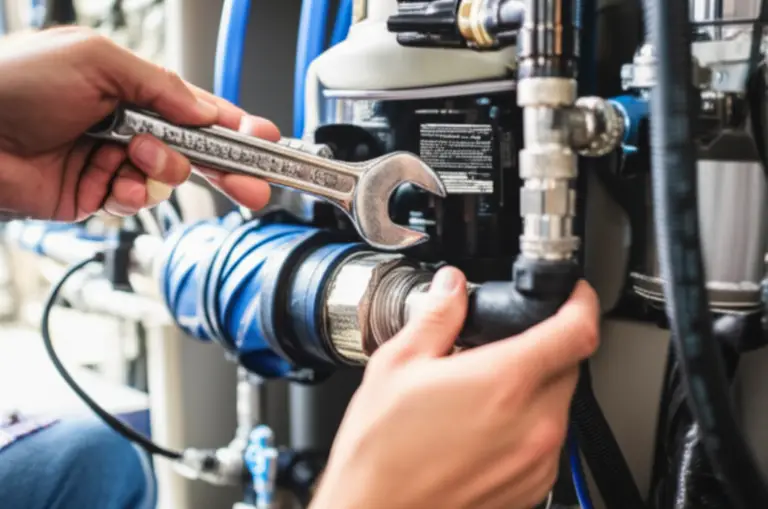
- Aquasana Under-Sink: 5/10 Ease. You’ll need a wrench, a screwdriver, and about 45 minutes. It involves tapping into your cold water line. If the phrase “compression fitting” scares you, call a pro!
💰 Value Analysis: Balancing Upfront Costs vs. Long-Term Savings
Don’t be fooled by the low price tag on a pitcher. The real cost is in the replacement filters.
- Brita is the cheapest to start, but if you use the standard filters, you’ll be buying 6 per year.
- PUR is mid-range. The faucet mount units are affordable, and the filters are reasonably priced.
- Aquasana has a high “buy-in” cost, but the cost-per-gallon is actually the lowest over 5 years because the filters last so long.
The Verdict: If you’re a student or renter, Brita is the value king. If you’re a homeowner, Aquasana is the smarter investment.
🌍 Eco-Warrior Status: Reducing Plastic Waste and Carbon Footprints
Every time you use a filter, you’re saving hundreds of single-use plastic bottles from the ocean. 🌊
- Brita has a great partnership with TerraCycle to recycle their filters.
- Aquasana wins on design; their under-sink systems use reusable housings, so you only throw away the internal filter media, not the whole plastic cartridge.
💡 Two Crucial Questions to Ask Before You Buy
Before you click “Buy Now,” ask yourself these two things:
- What is actually in my water? You can’t fix a problem you don’t understand. Check your city’s Annual Water Quality Report (CCR). If your lead levels are high, skip the basic Brita.
- How much water do I actually drink? If you’re a “gallon-a-day” person, a pitcher will drive you crazy. You’ll spend half your life at the sink. Get a faucet mount or under-sink system.
🥇 The Expert Verdict: Which Brand Wins the Water War?
After analyzing the data, the certifications, and the taste profiles, here is our final recommendation:
- The “I Just Want It to Taste Better” Award: 🏆 Brita. It’s cheap, it’s easy, and it’s everywhere.
- The “Safety First” Award: 🏆 PUR. For lead removal on a budget, their faucet mounts are the gold standard.
- The “Ultimate Performance” Award: 🏆 Aquasana. If you want the best possible water and don’t mind a little installation work, there is no contest.
✨ Pro Tips for Maximizing Your Filter’s Performance
- Flush it out: When you install a new filter, run cold water through it for 2-3 minutes to clear out any loose carbon dust (the “black flecks”).
- Keep it cool: Store your pitcher in the fridge. Sunlight and warmth can encourage algae growth inside the pitcher. 🦠
- Clean the vessel: Every time you change the filter, wash the pitcher or dispenser with warm, soapy water.
🥤 Conclusion: Drink Up with Confidence!

After a deep dive into the world of water filtration, here’s the distilled truth from the taste testers and health pros at Water Brands™:
Brita: The Everyday Hero
Positives:
- Affordable and widely available
- Easy to use with no installation hassle
- Improves taste by removing chlorine and odors
- Elite filters add lead removal at a reasonable lifespan
Negatives:
- Standard filters don’t remove lead or many emerging contaminants
- Frequent filter changes can be a chore
- Limited filtration scope compared to competitors
Recommendation: If you want a simple, budget-friendly pitcher that makes your tap water taste better and safer for everyday use, Brita is your go-to. Perfect for renters, students, or anyone who values convenience.
PUR: The Lead Removal Specialist
Positives:
- Excellent lead and mercury removal certified by NSF
- Faucet-mount convenience with easy switching
- MineralCore™ technology enhances taste with natural minerals
- Digital filter change indicator helps maintain performance
Negatives:
- Faucet compatibility issues with some modern fixtures
- Plastic parts can be less durable over time
- Filter lifespan shorter than Aquasana’s
Recommendation: PUR is ideal if you want on-demand filtered water from your faucet and are particularly concerned about lead or heavy metals. It’s a smart middle ground between pitchers and whole-house systems.
Aquasana: The Whole-House Powerhouse
Positives:
- Multi-stage Claryum® filtration removes 77+ contaminants including pesticides and pharmaceuticals
- Long filter life reduces waste and replacement frequency
- Provides bottled water quality from every tap
- Eco-friendly reusable housings
Negatives:
- Higher upfront cost and installation complexity
- Requires some DIY skills or professional help
- Bulkier system that lives under your sink or at the main water line
Recommendation: For homeowners who want the ultimate in water purity and convenience, Aquasana is the clear winner. It’s an investment in health and sustainability that pays off over time.
Closing the Loop on Your Questions
Remember when we wondered about the best filter for older pipes or how much water you actually drink? Now you know: if lead is your worry, PUR or Aquasana are your champions. If you guzzle gallons daily, Aquasana’s long-lasting filters save you time and money. And if you just want a quick fix for better-tasting water, Brita has your back.
No matter which brand you choose, the key is to replace filters on time and understand your water’s unique needs. Armed with this knowledge, you can drink confidently and sustainably. Cheers to your healthiest hydration yet! 💧🥂
🔗 Recommended Links for Water Filter Enthusiasts
Ready to upgrade your hydration game? Here are some top picks and resources:
Shop Water Filters:
- Brita Everyday Pitcher & Elite Filters:
Amazon | Walmart | Brita Official Website - PUR Plus Faucet Mount & Pitchers:
Amazon | Walmart | PUR Official Website - Aquasana 3-Stage Under Sink & Countertop Systems:
Amazon | Aquasana Official Website
Books for Water Enthusiasts:
- The Water Paradox: How We Were Duped into Drinking Bottled Water by Christopher Bryson
Amazon - Water: The Epic Struggle for Wealth, Power, and Civilization by Steven Solomon
Amazon - The Drinking Water Book: How to Eliminate Harmful Toxins from Your Water by Colin Ingram
Amazon
❓ FAQ: Your Burning Questions Answered

Are there any certified standards or testing protocols, such as NSF International or WQA Gold Seal, that Brita, PUR, and Aquasana water filters must meet to ensure safety and efficacy?
Yes! All three brands pursue certifications from NSF International and the Water Quality Association (WQA) to validate their claims. NSF/ANSI standards 42 and 53 are the most relevant:
- Standard 42: Focuses on aesthetic effects like chlorine taste and odor removal.
- Standard 53: Covers health-related contaminants such as lead, mercury, and cysts.
- Standard 401: Emerging contaminants like pharmaceuticals (mainly Aquasana).
Brita’s Elite filters, PUR’s faucet mounts, and Aquasana’s systems are all NSF certified for various contaminant reductions. These certifications ensure that the filters perform as advertised and are safe for household use.
How do the costs of Brita, PUR, and Aquasana water filters compare, including initial purchase price and long-term maintenance expenses?
- Brita: Lowest upfront cost; pitchers and basic faucet filters are affordable. However, frequent filter replacements (every 2 months) add up over time.
- PUR: Mid-range initial cost with faucet mounts slightly more expensive than Brita pitchers. Filter life is about 3 months, so replacements are moderately priced.
- Aquasana: Highest upfront investment due to under-sink or whole-house systems. However, filters last 6-12 months, reducing replacement frequency and long-term costs.
Overall, Brita is best for tight budgets or casual users, PUR balances cost and performance, and Aquasana is a long-term investment for serious filtration.
Can I install a whole-house water filtration system from brands like Aquasana, or are they only available for sink-mounted or pitcher-style filters?
Aquasana offers whole-house filtration systems designed to treat all water entering your home, including showers, laundry, and outdoor taps. These systems require professional installation due to plumbing complexity.
They also provide under-sink and countertop filters for point-of-use applications. Brita and PUR focus mainly on pitcher and faucet-mounted filters and do not offer whole-house systems.
Do Brita, PUR, and Aquasana water filters require frequent replacement of filters, and how much do replacement filters cost?
- Brita: Standard filters last
40 gallons (2 months). Elite filters last up to 120 gallons (~6 months). Replacement filters are inexpensive but frequent. - PUR: Filters last about 100 gallons (~3 months). Replacement filters cost moderately.
- Aquasana: Filters last 600-800 gallons (6-12 months). Replacement filters cost more upfront but less frequent.
Replacing filters on schedule is critical to maintain water quality and avoid contaminant breakthrough.
Which water filter brand is best for removing lead, chlorine, and other harmful chemicals from drinking water?
- Lead Removal: PUR and Aquasana excel, with NSF certifications confirming 99% lead removal. Brita’s Elite filters also remove lead but standard filters do not.
- Chlorine Removal: All three brands effectively remove chlorine to improve taste and odor.
- Other Chemicals: Aquasana’s multi-stage Claryum® system removes a broader range of contaminants, including pesticides and pharmaceuticals, which Brita and PUR do not.
How do Brita, PUR, and Aquasana water filters compare in terms of contaminant removal and purification effectiveness?
Aquasana leads with multi-stage filtration that targets 77+ contaminants, including emerging chemicals. PUR offers strong removal of heavy metals and cysts, while Brita focuses on improving taste and basic contaminant reduction. The choice depends on your water quality concerns and budget.
What are the key features to consider when choosing a water filter brand for home use?
- Contaminant Removal Needs: Lead, chlorine, pesticides, pharmaceuticals?
- Filter Lifespan & Maintenance: How often can you replace filters?
- Installation Complexity: Pitcher, faucet mount, under-sink, or whole-house?
- Taste Preferences: Do you prefer mineral-rich or ultra-pure water?
- Budget: Upfront and ongoing costs.
- Environmental Impact: Filter waste and recyclability.
Which water filter brand offers the best removal of contaminants?
Aquasana offers the most comprehensive contaminant removal, including heavy metals, chloramines, pesticides, pharmaceuticals, and microplastics, thanks to its Claryum® technology.
How do Brita, PUR, and Aquasana filters compare in terms of filter lifespan?
- Brita Standard: ~40 gallons (2 months)
- Brita Elite: ~120 gallons (6 months)
- PUR Faucet Mount: ~100 gallons (3 months)
- Aquasana Under-Sink: 600-800 gallons (6-12 months)
What are the cost differences between Brita, PUR, and Aquasana water filters?
Brita is the most affordable upfront but requires frequent filter replacements. PUR is mid-priced with moderate replacement costs. Aquasana has the highest initial cost but offers longer filter life, reducing long-term expenses.
Are there any health benefits unique to Aquasana water filters?
Yes. Aquasana’s multi-stage filtration removes pharmaceuticals and pesticides that are not addressed by most pitcher or faucet filters. This can reduce exposure to emerging contaminants linked to health risks.
Which water filter brand is the most environmentally friendly?
Aquasana’s reusable filter housings and longer filter life reduce plastic waste significantly compared to Brita and PUR, whose filters require more frequent disposal. Brita’s partnership with TerraCycle helps recycle filters but doesn’t fully offset waste.
How do the filtration technologies of Brita, PUR, and Aquasana differ?
- Brita: Activated carbon + ion exchange resin (basic)
- PUR: Activated carbon + MineralCore™ (adds minerals)
- Aquasana: Claryum® multi-stage (activated carbon, catalytic carbon, ion exchange, sub-micron filtration)
Can Brita, PUR, and Aquasana filters improve the taste of tap water equally?
All improve taste by removing chlorine and odors, but taste profiles differ:
- Brita: Neutral, clean taste
- PUR: Crisp with mineral notes
- Aquasana: Ultra-pure, bottled water quality
Personal preference plays a big role here.
📚 Reference Links and Resources for Deep Dives
- NSF International – Water Filter Certifications
- Water Quality Association (WQA) – Gold Seal Certification
- EPA – Consumer Confidence Reports (Water Quality Reports)
- Brita Official Website
- PUR Official Website
- Aquasana Official Website
- Comparing Popular Water Purification Brands: Features and Reviews | Humans