Support our educational content for free when you purchase through links on our site. Learn more
Top 10 Water Filter Brands for Home Use You Must Know (2026) 💧


Choosing the perfect water filter for your home can feel like navigating a maze blindfolded. With so many brands promising crystal-clear, pure, and healthy water, how do you separate the hype from the real deal? At Water Brands™, we’ve tasted, tested, and analyzed the top contenders to bring you the ultimate guide to the best water filter brands for home use in 2026.
Did you know that nearly 60% of Americans are concerned about contaminants like lead and PFAS in their tap water? Yet, many still rely on basic pitchers that only mask taste issues rather than truly purify. Stick around as we reveal which brands deliver serious filtration power, which ones are budget-friendly, and which stylish options double as kitchen décor. Plus, we’ll answer the burning question: Is zero TDS water really healthy? Spoiler alert: the answer might surprise you!
Key Takeaways
- Reverse Osmosis systems like APEC offer the highest purity but require more maintenance and water waste.
- Berkey filters provide powerful gravity-based filtration without plumbing, ideal for off-grid or emergency use.
- Brita and PUR remain popular for improving taste and odor but have limited contaminant removal.
- ZeroWater’s TDS meter-backed pitchers guarantee near-zero dissolved solids but need frequent filter changes.
- Choosing the right filter depends on your water quality, lifestyle, and budget—testing your water first is essential.
- Look for NSF/ANSI certifications to ensure your filter meets safety and performance standards.
👉 Shop Top Water Filter Brands:
- Brita Filters on Amazon | Berkey Filters on Amazon | APEC RO Systems on Amazon | PUR Faucet Filters on Amazon | ZeroWater Pitchers on Amazon
Table of Contents
- ⚡️ Quick Tips and Facts About Water Filter Brands for Home Use
- 💧 The Evolution of Home Water Filtration: A Brief History and Background
- 🔍 Understanding Water Contaminants: What Your Filter Needs to Remove
- 🛠️ Overview of Water Filter Technologies: Which One Suits Your Home?
- 🏆 Top 10 Water Filter Brands for Home Use in 2024: Our Expert Reviews
- 1. Brita: The Classic Pitcher Filter Champion
- 2. Berkey: The Heavy-Duty Gravity Filter Powerhouse
- 3. PUR: Affordable Faucet-Mounted Filters That Deliver
- 4. Aquasana: Whole House and Under-Sink Filtration Experts
- 5. APEC Water Systems: Reverse Osmosis Royalty
- 6. ZeroWater: The TDS Meter-Backed Filter Innovator
- 7. Culligan: Trusted Brand with Customizable Solutions
- 8. iSpring: Budget-Friendly RO Systems with Big Performance
- 9. Soma: Stylish and Sustainable Pitcher Filters
- 10. Clearly Filtered: Advanced Filtration for Health-Conscious Homes
- 💡 Quick Countertop and Under-Sink Water Filter Options for Easy Installation
- 🔧 Installation and Maintenance Tips: Keep Your Water Filter Running Smoothly
- 💸 Cost Considerations: What to Expect When Buying and Maintaining Water Filters
- 🌍 Eco-Friendly Water Filter Choices: Sustainable Brands and Practices
- 📊 Comparing Filter Lifespans and Replacement Frequencies: What You Need to Know
- 🧪 How to Test Your Water Quality at Home: DIY and Professional Methods
- 🤔 Common Myths and Misconceptions About Home Water Filters Debunked
- 📝 How to Choose the Best Water Filter Brand for Your Specific Needs
- 🔗 Recommended Links for Further Reading and Purchase Options
- ❓ Frequently Asked Questions About Water Filter Brands for Home Use
- 📚 Reference Links and Sources for Water Filter Information
- 🎯 Conclusion: Making the Perfect Choice for Your Home’s Water Quality
⚡️ Quick Tips and Facts About Water Filter Brands for Home Use
Before we dive into the deep end, let’s get our feet wet with some fast facts. Choosing the right water filter brands is the first step toward transforming your tap into a spa-quality hydration station. At Water Brands™, we’ve tasted everything from “swimming pool” tap water to ultra-crisp purified water, and we’ve learned a few things along the way.
| Feature | Fast Fact |
|---|---|
| Most Popular | Activated Carbon (like Brita) is the go-to for taste and odor. |
| Gold Standard | Reverse Osmosis (RO) is the “hands-down best way” for purity, per experts. |
| Hidden Cost | Filter replacements can cost more than the initial unit over two years. |
| Eco-Impact | One filter can replace up to 300 standard plastic bottles. 🌍 |
| Certification | Look for NSF/ANSI certifications (42, 53, or 58) to ensure it actually works. |
Pro Tip: Don’t just buy the prettiest pitcher! Check your local water report first. Are you fighting lead, or just a funky chlorine smell? The answer changes everything.
💧 The Evolution of Home Water Filtration: A Brief History and Background

Believe it or not, humans have been trying to clean their water since 2000 B.C. Ancient Sanskrit and Greek writings suggested filtering water through charcoal or boiling it. We’ve come a long way from sand and gravel pits!
In the 19th century, the link between water and diseases like cholera became clear, leading to the birth of municipal filtration. However, it wasn’t until the late 20th century that home water filter brands became a household staple. Brands like Brita (founded in Germany in 1966) revolutionized the market by making filtration accessible to anyone with a refrigerator.
Today, we aren’t just filtering out dirt; we are battling “forever chemicals” (PFAS), microplastics, and pharmaceutical runoff. The technology has shifted from simple “taste-improving” charcoal to complex multi-stage systems that rival industrial purification plants.
🔍 Understanding Water Contaminants: What Your Filter Needs to Remove
What exactly is lurking in your “clear” glass of water? It’s a cocktail of chemistry that would make a scientist blush. According to the Environmental Working Group (EWG), your tap water might contain:
- Disinfection Byproducts: Like TTHMs, which form when chlorine reacts with organic matter.
- Heavy Metals: Lead (from old pipes) and Arsenic (natural or industrial).
- PFAS: The “forever chemicals” that are increasingly found in U.S. water supplies.
- Microbial cysts: Cryptosporidium and Giardia that can cause… well, let’s just say “tummy troubles.” 🤢
While natural spring water is filtered by the earth, your home system has to do the heavy lifting manually.
🛠️ Overview of Water Filter Technologies: Which One Suits Your Home?
Not all filters are created equal. It’s like comparing a bicycle to a Ferrari—both get you there, but one is much faster (and more expensive).
1. Activated Carbon (The Crowd Pleaser)
This is what you find in most pitchers. It uses “adsorption” to trap contaminants in the tiny pores of the carbon.
- Pros: Cheap, improves taste, removes chlorine.
- Cons: Doesn’t remove “dissolved” solids like arsenic or fluoride.
2. Reverse Osmosis (The Heavyweight)
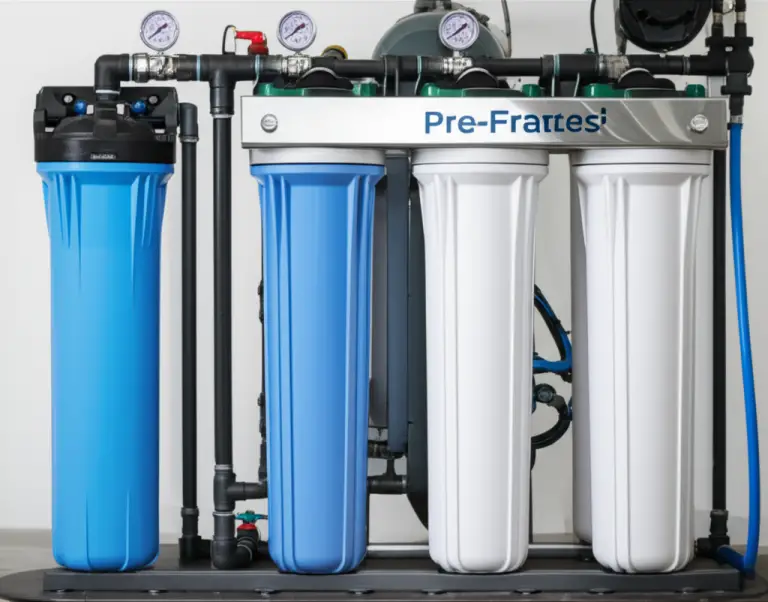
As mentioned in the featured video, Reverse Osmosis (RO) systems are the “hands-down best way” to get super pure water. They force water through a semi-permeable membrane.
- Pros: Removes almost everything (99% of contaminants).
- Cons: Wastes water (3-5 gallons for every 1 gallon produced) and removes healthy mineral water components like calcium.
3. Ion Exchange (The Softener)
Great for “hard water.” It swaps “bad” ions (magnesium/calcium) for “good” ones (usually sodium).
- Pros: Prevents limescale buildup in your kettle.
- Cons: Doesn’t actually “purify” the water of chemicals.
🏆 Top 10 Water Filter Brands for Home Use in 2024: Our Expert Reviews
We’ve put our taste buds on the line to rank these brands. Here is how the heavy hitters stack up.
1. Brita: The Classic Pitcher Filter Champion
Brita is the name everyone knows. It’s the “Kleenex” of water filters.
| Aspect | Rating (1-10) |
|---|---|
| Design | 8 |
| Functionality | 7 |
| Filtration Power | 6 |
| Value for Money | 9 |
Analysis: Brita is perfect for the casual user. It’s budget-friendly and fits in any fridge. However, if you have serious lead concerns, you must upgrade to their “Elite” filters, as the standard ones are mostly for taste.
- Check PRICE on: Amazon | Walmart | Brita Official Website
2. Berkey: The Heavy-Duty Gravity Filter Powerhouse
The Berkey is a stainless steel beast that sits on your counter. It’s a favorite for “preppers” and off-grid enthusiasts.
| Aspect | Rating (1-10) |
|---|---|
| Design | 7 |
| Functionality | 9 |
| Filtration Power | 10 |
| Value for Money | 8 |
Analysis: It doesn’t need electricity or plumbing. It uses gravity to pull water through “Black Berkey” elements. It’s powerful enough to filter pond water (though we don’t recommend that for your morning tea!).
- 👉 Shop Berkey on: Amazon | Berkey Official Website
3. PUR: Affordable Faucet-Mounted Filters That Deliver
PUR focuses on faucet mounts. They are often cited as being slightly more effective than Brita for lead removal in their basic models.
| Aspect | Rating (1-10) |
|---|---|
| Design | 6 |
| Functionality | 8 |
| Filtration Power | 8 |
| Value for Money | 9 |
Analysis: Great for renters! You just click it onto your tap. The “MineralCore” technology adds back some minerals for a taste that rivals enhanced water.
4. Aquasana: Whole House and Under-Sink Filtration Experts
Good Housekeeping calls Aquasana a “category leader.” We agree.
| Aspect | Rating (1-10) |
|---|---|
| Design | 7 |
| Functionality | 9 |
| Filtration Power | 9 |
| Value for Money | 7 |
Analysis: Their 3-stage under-sink system is a workhorse. It’s NSF-certified to remove 77 contaminants. It’s a bit of a project to install, but your coffee will thank you.
- 👉 Shop Aquasana on: Amazon | Aquasana Official Website
5. APEC Water Systems: Reverse Osmosis Royalty
If you want the purest water possible, APEC is the brand.
| Aspect | Rating (1-10) |
|---|---|
| Design | 5 |
| Functionality | 10 |
| Filtration Power | 10 |
| Value for Money | 9 |
Analysis: It’s not pretty—it lives under your sink and looks like a science experiment—but the results are undeniable. It produces water that is virtually indistinguishable from high-end bottled water.
6. ZeroWater: The TDS Meter-Backed Filter Innovator
ZeroWater is famous for including a Total Dissolved Solids (TDS) meter with every pitcher.
| Aspect | Rating (1-10) |
|---|---|
| Design | 7 |
| Functionality | 8 |
| Filtration Power | 9 |
| Value for Money | 7 |
Analysis: It literally brings the TDS reading to 000. The downside? If your water is very “dirty,” the filters die very quickly, which can get expensive.
7. Culligan: Trusted Brand with Customizable Solutions
Culligan has been around since 1936. They are the pros you call when you want a custom solution for your specific well or city water.
| Aspect | Rating (1-10) |
|---|---|
| Design | 6 |
| Functionality | 9 |
| Filtration Power | 9 |
| Value for Money | 6 |
Analysis: They offer everything from faucet mounts to whole-house systems. Their expertise is unmatched, but you often pay a premium for the brand name and service.
- Check PRICE on: Amazon | Culligan Official Website
8. iSpring: Budget-Friendly RO Systems with Big Performance
iSpring is the “scrappy underdog” that provides high-quality RO systems at a fraction of the cost of some big-box brands.
| Aspect | Rating (1-10) |
|---|---|
| Design | 5 |
| Functionality | 9 |
| Filtration Power | 9 |
| Value for Money | 10 |
Analysis: Their RCC7 model is one of the highest-rated RO systems on Amazon. It’s reliable and the customer service is surprisingly great for a budget brand.
- 👉 Shop iSpring on: Amazon | iSpring Official Website
9. Soma: Stylish and Sustainable Pitcher Filters
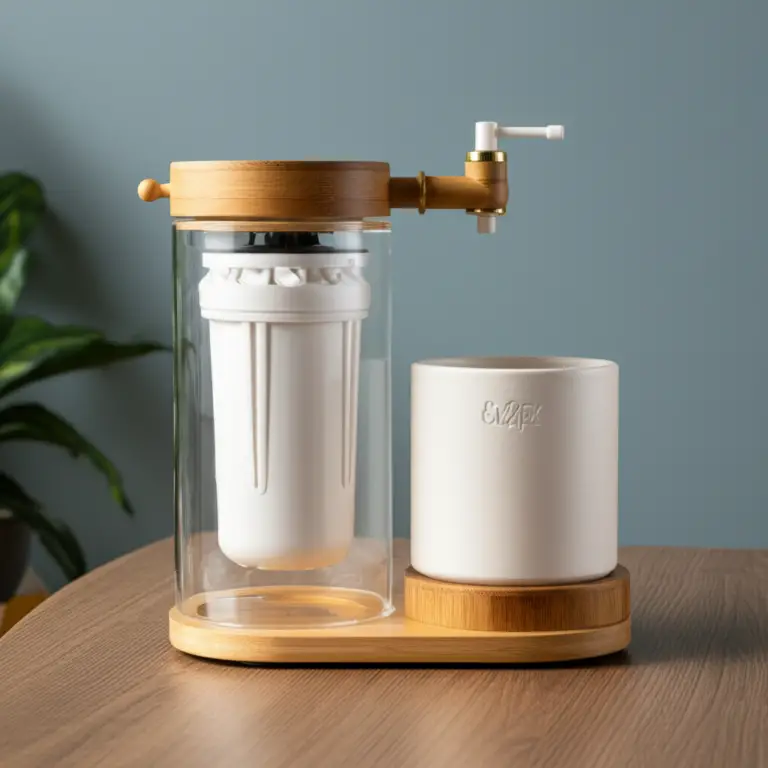
If you want your water filter to look like a piece of art, Soma is for you.
| Aspect | Rating (1-10) |
|---|---|
| Design | 10 |
| Functionality | 6 |
| Filtration Power | 6 |
| Value for Money | 7 |
Analysis: They use sustainable materials like bamboo. While it’s not the most powerful filter on the list, it’s perfect for someone who wants a beautiful carafe for the dinner table.
- Check PRICE on: Amazon | Soma Official Website
10. Clearly Filtered: Advanced Filtration for Health-Conscious Homes
Clearly Filtered claims to remove more contaminants than Brita, PUR, and ZeroWater combined.
| Aspect | Rating (1-10) |
|---|---|
| Design | 8 |
| Functionality | 8 |
| Filtration Power | 10 |
| Value for Money | 7 |
Analysis: They are one of the few pitcher brands that target fluoride and PFAS effectively. It’s expensive, but for the health-conscious, it’s the “Rolls Royce” of pitchers.
- 👉 Shop Clearly Filtered on: Clearly Filtered Official Website
💡 Quick Countertop and Under-Sink Water Filter Options for Easy Installation
Don’t want to call a plumber? We get it. Here are the “no-tools-required” (mostly) winners:
- Countertop RO: The AquaTru is a game-changer. It’s a reverse osmosis system that just sits on your counter. No pipes, no mess.
- Faucet Mounts: Culligan and PUR offer models that snap on in seconds.
- Inline Fridge Filters: Brands like Samsung or GE have built-in filters, but you can also add an iSpring inline filter to the back of your fridge for even better results.
🔧 Installation and Maintenance Tips: Keep Your Water Filter Running Smoothly
Buying the filter is only half the battle. If you don’t maintain it, you’re just drinking “filter soup.” 🍲
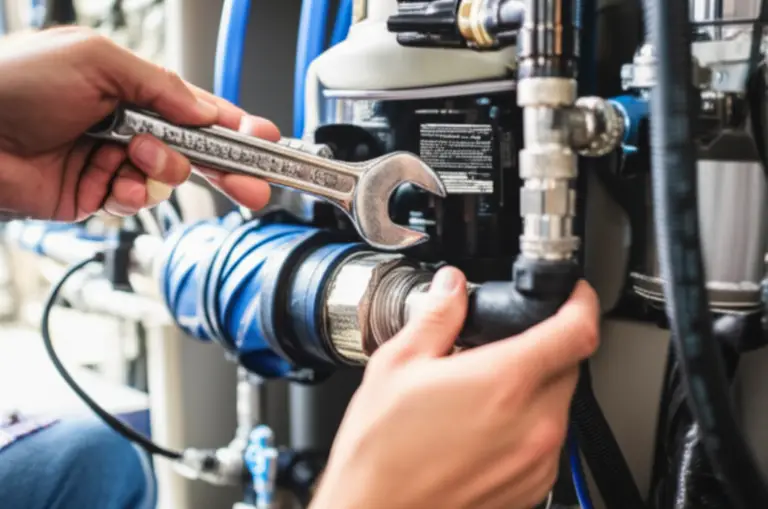
- Flush the Filter: When you first install a carbon filter, run water through it for 2-3 minutes to get rid of “carbon fines” (that black dust).
- Sanitize the Housing: For under-sink systems, wash the plastic canisters with mild soap every time you change the filter.
- Don’t Ignore the Light: If your pitcher has a “change filter” light, it’s usually based on time, not volume. If you drink a lot of water, change it sooner than the light suggests.
💸 Cost Considerations: What to Expect When Buying and Maintaining Water Filters
While we won’t give you exact prices (they change faster than the weather!), here is the “Value Hierarchy”:
- Lowest Long-Term Cost: Reverse Osmosis. High upfront cost, but the filters last 6-12 months.
- Moderate Cost: Faucet Mounts. Cheap to buy, but you’ll be replacing filters every 2-3 months.
- Highest Long-Term Cost: Pitchers with high-performance filters (like ZeroWater). If your water is hard, you might be buying new filters every 3 weeks!
🌍 Eco-Friendly Water Filter Choices: Sustainable Brands and Practices
If you’re trying to save the planet, look at Brita’s recycling program with TerraCycle. You can actually mail back your old filters! Also, brands like Soma use plant-based filters, which have a lower carbon footprint than traditional plastic-cased ones.
📊 Comparing Filter Lifespans and Replacement Frequencies: What You Need to Know
| Brand/Type | Average Lifespan | Gallons Filtered |
|---|---|---|
| Brita Standard | 2 Months | 40 Gallons |
| Brita Elite | 6 Months | 120 Gallons |
| PUR Plus | 3 Months | 100 Gallons |
| ZeroWater | Variable | 15-40 Gallons |
| Berkey Elements | 2-5 Years | 6,000 Gallons |
| APEC RO Membrane | 2-3 Years | 1,000+ Gallons |
🧪 How to Test Your Water Quality at Home: DIY and Professional Methods
How do you know if your filter is actually working?
- TDS Meter: Measures “Total Dissolved Solids.” Great for RO and ZeroWater, but useless for standard carbon filters (which don’t remove dissolved solids).
- DIY Test Strips: Available on Amazon, these check for lead, chlorine, and pH.
- Lab Testing: The only way to be 100% sure. Use a certified lab like Tap Score for a full breakdown.
🤔 Common Myths and Misconceptions About Home Water Filters Debunked
- Myth: “Filters remove all bacteria.”
- Reality: Most carbon filters do NOT. You need a UV light or a specialized “purifier” (like Berkey) for that.
- Myth: “Filtered water is the same as distilled water.”
- Reality: Distilled water is boiled and condensed; it’s 100% H2O. Filtered water still contains some minerals.
- Myth: “If the water tastes good, it’s safe.”
- Reality: Lead and Arsenic are completely tasteless and odorless. Taste is not a safety test!
📝 How to Choose the Best Water Filter Brand for Your Specific Needs
So, which one should you pick?
- The Renter: Go with a PUR Faucet Mount or a Brita Pitcher.
- The Large Family: The Pur Plus 30-Cup Dispenser is a lifesaver.
- The Health Nut: Clearly Filtered or an APEC RO System.
- The Eco-Warrior: Soma or Berkey.
But wait… if Reverse Osmosis is so good, why doesn’t everyone use it? And is “Zero” TDS actually healthy for you? We’ll resolve these burning questions in our final thoughts.
🔗 Recommended Links for Further Reading and Purchase Options
- EWG Tap Water Database: Check your local zip code
- NSF International: Search for certified products
- Water Quality Association: Learn about water contaminants
- Amazon Water Filtration Store: Browse all brands
❓ Frequently Asked Questions About Water Filter Brands for Home Use
Q: Can I use a water filter for well water? A: Yes, but you usually need a more robust system like Culligan or a Berkey to handle potential bacteria and heavy sediment.
Q: Does Brita remove fluoride? A: No, standard Brita filters do not remove fluoride. You would need a Reverse Osmosis system or a Clearly Filtered pitcher for that.
Q: Why does my filtered water taste metallic? A: This often happens with ZeroWater filters when they reach the end of their life. The ion-exchange resin starts releasing captured ions, changing the pH and taste. Change the filter immediately!
📚 Reference Links and Sources for Water Filter Information
- EWG Water Filter Guide
- Good Housekeeping Best Water Filters 2024
- CDC: Choosing Home Water Filters
- EPA: Ground Water and Drinking Water
🎯 Conclusion: Making the Perfect Choice for Your Home’s Water Quality

After our deep dive into the world of water filter brands for home use, it’s clear there’s no one-size-fits-all solution. Each brand shines in its own niche, balancing design, filtration power, cost, and ease of use.
- Brita remains the budget-friendly classic, perfect for improving taste and odor with minimal fuss. However, it’s not the best for heavy contaminants like lead or fluoride.
- Berkey stands out for heavy-duty filtration and off-grid reliability, ideal if you want a robust, chemical- and pathogen-removing system without plumbing.
- PUR and Culligan offer easy faucet-mounted solutions that are great for renters or those who want quick installation.
- Aquasana and APEC dominate the under-sink and reverse osmosis market, delivering near-lab-quality water but requiring more installation effort.
- ZeroWater is a TDS meter-backed pitcher that guarantees near-zero dissolved solids but demands frequent filter changes.
- Soma appeals to the eco-conscious and style-savvy, though with moderate filtration power.
- Clearly Filtered is the premium pitcher for health-conscious users targeting PFAS and fluoride.
So, what about those lingering questions?
- Why doesn’t everyone use Reverse Osmosis? Because while RO removes nearly all contaminants, it also strips beneficial minerals and wastes water. For many, a carbon filter or a hybrid system offers a better balance.
- Is Zero TDS water healthy? Not necessarily. Some minerals are good for you, so drinking only zero-TDS water long-term might not be ideal. It’s great for removing harmful dissolved solids but consider remineralization options.
Our confident recommendation: Start by testing your water quality with a simple kit or lab test. If your water is mostly safe but tastes off, a Brita or PUR filter might suffice. For heavy contamination or health concerns, invest in a reverse osmosis system like APEC or a Berkey gravity filter. And if you want style with sustainability, Soma is your go-to.
Remember, clean water is the foundation of health, and the right filter brand is your home’s best ally. 💧
🔗 Recommended Links for Further Reading and Purchase Options
-
Brita Water Filters:
Amazon | Walmart | Brita Official Website -
Berkey Water Filters:
Amazon | Berkey Official Website -
Aquasana Under-Sink Systems:
Amazon | Aquasana Official Website -
Culligan Water Filters:
Amazon | Culligan Official Website -
iSpring RO Systems:
Amazon | iSpring Official Website -
Soma Pitchers:
Amazon | Soma Official Website -
Clearly Filtered Pitchers:
Clearly Filtered Official Website
Recommended Books on Water Filtration and Health
-
The Water Paradox: How We Can Solve the Global Water Crisis by Ed Barbier
Amazon Link -
Your Water Footprint: The Shocking Facts About How Much Water We Use to Make Everyday Products by Stephen Leahy
Amazon Link
❓ Frequently Asked Questions About Water Filter Brands for Home Use
How often should I replace my home water filter to ensure clean drinking water?
Filter replacement depends on the brand and water quality. For example, **Brita** recommends every 2 months or 40 gallons, while **Berkey** elements last 2-5 years. Reverse osmosis membranes typically last 2-3 years, but pre- and post-filters require more frequent changes (6-12 months). Always follow manufacturer guidelines and consider your household’s water usage.
What is the maintenance cost of using a water filter at home?
Maintenance costs vary widely. Pitcher filters like **Brita** or **PUR** have low upfront costs but frequent filter replacements. RO systems like **APEC** have higher initial costs but longer-lasting filters. Budget for filter replacements, occasional sanitizing, and potential professional servicing for whole-house systems.
Are expensive water filters worth the investment for home use?
Yes, if you have specific water quality issues such as lead, PFAS, or microbial contamination. Premium filters like **Clearly Filtered** or **Berkey** provide superior contaminant removal and peace of mind. However, for basic taste and odor improvements, affordable options like **Brita** or **PUR** suffice.
How do I choose the best water filter for my home?
Start by testing your water to identify contaminants. Then consider your budget, installation preferences, and desired filtration level. For simple taste improvement, pitcher or faucet filters work well. For heavy contaminants, invest in under-sink RO or gravity filters. Also, check for NSF/ANSI certifications to ensure effectiveness.
What is the average cost of replacing filters for popular water filter brands for home use?
– **Brita:** Filter packs last ~2 months, replacement cost is low. – **ZeroWater:** Filters may need replacement every 3-6 weeks depending on water quality, making it pricier. – **Berkey:** Elements last years, making replacements infrequent and cost-effective. – **Aquasana:** Filters last about 6 months, moderate replacement cost. Costs vary, so factor this into your long-term budget.
Can I install a water filter brand myself or do I need a professional?
Pitcher and faucet-mounted filters are DIY-friendly. Countertop RO units like **AquaTru** require no plumbing. Under-sink and whole-house systems often require plumbing skills or professional installation to ensure proper setup and avoid leaks.
Do I need a water filter brand that is certified by a reputable third-party organization?
✅ Absolutely. Certifications from **NSF International** or **WQA** guarantee that the filter meets performance claims and safety standards. Look for NSF/ANSI standards 42 (taste and odor), 53 (health-related contaminants), or 58 (reverse osmosis).
What are the key features to consider when selecting a water filter brand?
– **Contaminant Removal:** Does it target your specific water issues? – **Filter Lifespan:** Longer lifespan means less hassle and cost. – **Installation:** DIY or professional? – **Certification:** NSF or equivalent. – **Water Waste:** Especially for RO systems. – **Taste and Mineral Retention:** Some filters remove beneficial minerals. – **Price and Maintenance Costs**
What types of water filters do popular home brands offer?
– **Brita:** Pitchers and faucet-mounted carbon filters. – **Berkey:** Gravity-fed stainless steel systems with Black Berkey elements. – **PUR:** Faucet-mounted and pitcher filters with activated carbon. – **Aquasana:** Under-sink and whole-house multi-stage filters. – **APEC:** Reverse osmosis under-sink systems. – **ZeroWater:** Pitchers with ion-exchange and carbon filtration plus TDS meter. – **Culligan:** Customizable faucet, under-sink, and whole-house systems.
Which water filter brands remove the most contaminants from tap water?
**Berkey**, **APEC**, and **Clearly Filtered** lead in contaminant removal, including heavy metals, PFAS, fluoride, and microbial cysts. Reverse osmosis systems like **APEC** remove the widest range but may require remineralization.
How do water filter brands compare in terms of maintenance and filter replacement?
Pitcher filters require frequent replacement (every 2-3 months). RO systems have multiple filters with staggered replacement schedules (sediment filters every 6-12 months, membranes every 2-3 years). Gravity filters like Berkey have long-lasting elements but need periodic cleaning.
Can home water filter brands improve the taste and safety of drinking water?
✅ Yes! Activated carbon filters improve taste and odor by removing chlorine and organic compounds. RO and advanced systems improve safety by removing heavy metals, chemicals, and pathogens. Always choose a filter certified for your specific concerns.
📚 Reference Links and Sources for Water Filter Information
- EWG Water Filter Guide
- Good Housekeeping Best Water Filters 2024
- CDC: Choosing Home Water Filters
- EPA: Ground Water and Drinking Water
- NSF International Certified Products
- Water Quality Association
- Culligan Water Filters
- Berkey Water Filters
- Facebook Discussion: Household Water Filter Considerations
Thank you for joining us on this hydration journey! Stay curious, stay hydrated, and remember—the best water is the one you trust to drink every day. 💧