Support our educational content for free when you purchase through links on our site. Learn more
How Do Water Brands Source Their Water? Discover 5 Surprising Facts! 💧

Have you ever taken a sip of your favorite bottled water and wondered, “Where does this come from?” You’re not alone! The journey from a natural spring or aquifer to your bottle is a fascinating process filled with twists and turns. In this article, we’ll dive deep into the world of bottled water sourcing, uncovering the secrets behind the brands you know and love.
Did you know that not all bottled water is created equal? Some brands source their water from pristine springs, while others rely on municipal supplies that undergo rigorous purification processes. As we explore the intricacies of water sourcing, you’ll discover how these choices impact taste, quality, and even the environment. So, grab a glass of water and get ready to quench your curiosity!
Key Takeaways
- Diverse Sources: Water brands source from various locations, including springs, aquifers, and municipal supplies.
- Purification Processes: Brands like Aquafina and Dasani use advanced filtration methods to ensure safety and quality.
- Sustainability Matters: Many brands are adopting eco-friendly practices to reduce plastic waste and promote responsible sourcing.
- Consumer Preferences: Taste, source, and sustainability are key factors influencing consumer choices in bottled water.
- Brand Transparency: Understanding where your water comes from can help you make informed decisions about hydration.
Ready to explore your options? 👉 Shop top water brands like Poland Spring or Fiji Water to find the perfect hydration solution for you!
Table of Contents
- Quick Tips and Facts
- The Journey of Water: How Brands Source Their Liquid Gold
- Types of Water Sources: Where Does Your Water Come From?
- Spring Water vs. Mineral Water: What’s the Difference?
- The Bottling Process: From Source to Shelf
- Sustainability Practices in Water Sourcing: Are Brands Doing Enough?
- Consumer Preferences: What Do You Look for in a Water Brand?
- Top Water Brands and Their Sourcing Practices
- Health Benefits of Different Water Types: What You Should Know
- The Future of Water Sourcing: Trends and Innovations
- Conclusion
- Recommended Links
- FAQ
- Reference Links
Quick Tips and Facts
💧 Not all bottled water is created equal. Just like fine wine, water sources have unique characteristics that affect taste and quality.
💧 Your choice impacts the environment. Consider the packaging and the brand’s sustainability practices.
💧 Reading the label is essential. Look for the source, mineral content, and any certifications.
💧 Don’t be swayed by fancy marketing. Sometimes, the simplest options are the best.
💧 Trust your taste buds! Ultimately, the best water is the one you enjoy drinking most.
The Journey of Water: How Brands Source Their Liquid Gold
Ever wonder about the journey your bottled water takes before it reaches your lips? At Water Brands™, we’re fascinated by the intricate process of sourcing and bottling water. It’s a journey that starts at the source – whether it’s a pristine spring nestled in a mountain range or a protected aquifer deep underground.
From Source to Bottle: A Behind-the-Scenes Look
-
Locating the Source: Water brands invest significant resources in identifying and securing access to high-quality water sources. This often involves hydrogeological surveys, water quality testing, and obtaining necessary permits.
-
Extraction: Once a source is identified, water is carefully extracted using sustainable methods that minimize environmental impact. This might involve drilling wells, tapping into springs, or collecting rainwater.
-
Filtration and Purification: The extracted water undergoes various filtration and purification processes to remove impurities, bacteria, and unwanted minerals. Common methods include reverse osmosis, deionization, and UV disinfection.
-
Bottling: The purified water is then bottled using high-speed automated machines that ensure hygiene and prevent contamination. The type of bottle used – plastic, glass, or carton – varies depending on the brand and its sustainability goals.
-
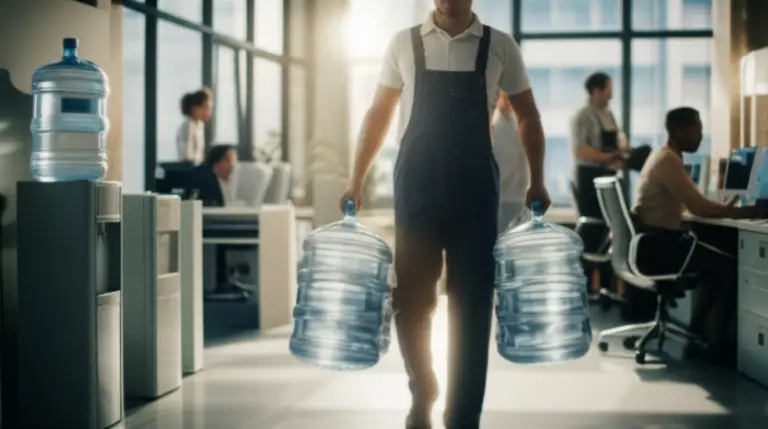
Distribution: Finally, the bottled water is packaged and shipped to distribution centers, making its way to supermarkets, convenience stores, and your thirsty hands!
Types of Water Sources: Where Does Your Water Come From?
The source of your water plays a crucial role in its taste, mineral content, and overall quality. Let’s dive into the most common types of water sources used by Water Brands:
1. Spring Water
Imagine crystal-clear water bubbling up from a natural spring, untouched by human intervention. That’s the allure of spring water! Sourced from underground aquifers that naturally flow to the surface, spring water is often prized for its pure taste and mineral composition.
Popular Spring Water Brands:
- Poland Spring: Sourced from springs in Maine, Poland Spring is known for its crisp, clean taste.
- Evian: Originating from the French Alps, Evian boasts a naturally balanced mineral content.
2. Purified Water
If you prefer your water with a blank canvas, purified water might be your go-to. This type of water undergoes extensive filtration processes to remove impurities, minerals, and contaminants.
Popular Purified Water Brands:
- Aquafina: Owned by PepsiCo, Aquafina uses a rigorous purification process that includes reverse osmosis.
- Dasani: Coca-Cola’s purified water brand, Dasani, undergoes a similar purification process and adds minerals for taste.
3. Mineral Water
For those seeking a mineral boost, mineral water offers a refreshing option. Sourced from underground reservoirs, mineral water contains naturally dissolved minerals like calcium, magnesium, and potassium.
Popular Mineral Water Brands:
- San Pellegrino: Hailing from the Italian Alps, San Pellegrino is celebrated for its effervescent bubbles and distinctive mineral taste.
- Perrier: Another sparkling mineral water, Perrier originates from France and is known for its refreshing, slightly salty flavor.
4. Artesian Water
Artesian water comes from a confined aquifer – a layer of permeable rock that holds groundwater under pressure. When a well is drilled into this aquifer, the pressure naturally forces the water to the surface.
Popular Artesian Water Brands:
- Fiji Water: Sourced from an artesian aquifer in Fiji, Fiji Water is known for its smooth, slightly sweet taste.
5. Well Water
As the name suggests, well water is drawn from underground wells. The quality of well water can vary significantly depending on the location, depth of the well, and surrounding environment.
Spring Water vs. Mineral Water: What’s the Difference?
While both spring water and mineral water originate from underground sources, there’s a key distinction:
-
Spring Water: Flows naturally to the surface or is extracted from a spring that taps into an underground aquifer. It must maintain its natural mineral content and purity.
-
Mineral Water: Sourced from underground reservoirs and contains a consistent level of naturally dissolved minerals. Minerals cannot be added to mineral water.
The Bottling Process: From Source to Shelf
The journey from a pristine water source to your refrigerator shelf is a meticulously orchestrated process designed to ensure quality and safety:
-
Collection: Water is carefully collected from the source using methods that minimize environmental impact.
-
Filtration: The water undergoes various filtration processes to remove impurities, sediment, and microorganisms.
-
Purification: Depending on the type of water and brand standards, additional purification methods like reverse osmosis or UV disinfection might be used.
-
Bottling: The purified water is bottled using high-speed automated machines that sterilize the bottles and maintain hygiene.
-
Labeling and Packaging: Bottles are labeled with relevant information, including the source, mineral content, and expiration date.
-
Distribution: The bottled water is shipped to distribution centers and eventually makes its way to retailers.
Sustainability Practices in Water Sourcing: Are Brands Doing Enough?
As awareness of environmental issues grows, consumers are increasingly concerned about the sustainability practices of bottled water brands. Here’s a look at some key areas where brands are making strides – and where they can improve:
Packaging
-
Plastic Waste: The environmental impact of plastic bottles is a major concern. Brands are exploring alternatives like recycled plastic (rPET), plant-based plastics, and aluminum cans.
-
Bottle Weight: Reducing the amount of plastic used per bottle is another area of focus. Many brands have introduced lightweight bottles to minimize their environmental footprint.
Water Usage
-
Water Stewardship: Responsible water management is crucial. Look for brands that have water stewardship programs in place to ensure sustainable sourcing and protect local water resources.
-
Water Footprint: The amount of water used to produce a bottle of water varies depending on the source and production process. Some brands are transparent about their water footprint and are working to reduce it.
Community Impact
- Sourcing Practices: It’s important to consider the impact of water extraction on local communities. Look for brands that source their water ethically and support the communities where they operate.
Consumer Preferences: What Do You Look for in a Water Brand?
At Water Brands™, we’re always eager to hear from fellow water enthusiasts! Consumer preferences vary widely, but some common factors influence water brand choices:
-
Taste: Ultimately, the taste is subjective. Some prefer the crisp, clean taste of purified water, while others enjoy the mineral complexity of spring or mineral water.
-
Source: Consumers are increasingly interested in the origin of their water. Spring water and artesian water often hold a certain allure due to their perceived purity.
-
Sustainability: Environmental consciousness is on the rise, and many consumers prioritize brands that prioritize sustainable packaging, responsible sourcing, and ethical practices.
-
Price: While not always the deciding factor, price can influence purchasing decisions, especially for frequent water drinkers.
-
Brand Reputation: Brand loyalty and trust play a role. Consumers often gravitate towards established brands with a positive reputation for quality and safety.
Top Water Brands and Their Sourcing Practices
Let’s take a closer look at some of the leading water brands and their sourcing practices:
| Brand | Type of Water | Source | Sustainability Practices
Conclusion
In our deep dive into how water brands source their water, we’ve uncovered a fascinating world that goes beyond just quenching thirst. From the pristine springs of Evian to the purified processes of Aquafina, each brand has its unique story and sourcing methods that impact taste, quality, and sustainability.
Summary of Positives and Negatives
Positives:
- Variety of Sources: Brands like Poland Spring and Fiji offer unique flavors and mineral compositions, catering to diverse consumer preferences.
- Purification Processes: Many brands, such as Dasani and Aquafina, utilize advanced purification methods, ensuring safety and quality.
- Sustainability Efforts: Some companies are making strides in reducing plastic waste and promoting responsible water sourcing.
Negatives:
- Environmental Concerns: Bottled water can contribute to plastic pollution and deplete local water resources if not managed responsibly.
- Cost: Bottled water can be significantly more expensive than tap water, raising questions about value.
- Misleading Marketing: Some brands may market their water as “pure” or “natural” without sufficient transparency regarding their sourcing practices.
In conclusion, while bottled water can be a convenient and enjoyable option, it’s essential to choose brands that align with your values regarding taste, health, and sustainability. Our recommendation? Explore options like Fiji Water for its unique taste and commitment to sustainability, or San Pellegrino for a refreshing mineral experience. Ultimately, trust your taste buds and make informed choices! 💧✨
Recommended Links
- 👉 Shop Poland Spring on: Amazon | Walmart | Poland Spring Official Website
- 👉 Shop Evian on: Amazon | Walmart | Evian Official Website
- 👉 Shop Aquafina on: Amazon | Walmart | Aquafina Official Website
- 👉 Shop San Pellegrino on: Amazon | Walmart | San Pellegrino Official Website
- 👉 Shop Fiji Water on: Amazon | Walmart | Fiji Water Official Website
FAQ
What are the different sources of water used by bottled water brands?
Bottled water brands typically source their water from several types of sources, including:
- Spring Water: Naturally flows from underground aquifers.
- Purified Water: Comes from municipal sources and undergoes extensive filtration.
- Mineral Water: Contains naturally occurring minerals from underground reservoirs.
- Artesian Water: Comes from a confined aquifer under pressure.
- Well Water: Extracted from underground wells.
Read more about “Discover the Top 15 Most Popular Water Brands Globally 🌍”
How do water brands purify and treat their water before bottling?
Water brands use various purification methods to ensure the safety and quality of their water. Common methods include:
- Filtration: Removes sediment and impurities.
- Reverse Osmosis: Uses a semipermeable membrane to remove contaminants.
- UV Disinfection: Uses ultraviolet light to kill bacteria and viruses.
- Ozonation: Introduces ozone gas to eliminate microorganisms.
What is the difference between spring water, purified water, and mineral water?
- Spring Water: Comes from natural springs and retains its mineral content.
- Purified Water: Treated to remove impurities and contaminants, often from municipal sources.
- Mineral Water: Contains a specific level of dissolved minerals and must come from a protected underground source.
Read more about “Which is the Healthiest Bottled Water? 12 Top Picks! 💧”
How do water brands test and ensure the quality of their water?
Water brands conduct regular testing to ensure quality and safety. This includes:
- Microbiological Testing: Checks for harmful bacteria and pathogens.
- Chemical Testing: Analyzes for contaminants and mineral content.
- Physical Testing: Assesses clarity, taste, and odor.
Read more about “Is There Any Bottled Water That’s Safe to Drink? 7 Top Picks! 💧”
Are there any regulations that govern the sourcing and bottling of water?
Yes, bottled water is regulated by the FDA as a food product. Brands must adhere to strict guidelines regarding sourcing, labeling, and safety standards. Additionally, many brands voluntarily comply with standards set by organizations like the International Bottled Water Association (IBWA).
Read more about “What Are the Differences Between Bottled, Filtered, and Spring Water? 💧”
What are the environmental impacts of sourcing and bottling water?
Sourcing and bottling water can lead to several environmental concerns, including:
- Plastic Pollution: Single-use plastic bottles contribute to waste.
- Water Depletion: Excessive extraction can strain local water resources.
- Carbon Footprint: Transportation and production processes contribute to greenhouse gas emissions.
Read more about “What Brand of Water is the Healthiest? 12 Top Picks for 2025 💧”
Can I trust the source and quality of store-brand or generic bottled water?
Store-brand or generic bottled water can be just as safe and high-quality as name brands. However, it’s essential to check the label for sourcing information and any certifications. Many store brands source their water from the same facilities as well-known brands, so you might be getting similar quality at a lower price.
Reference Links
- Understanding Bottled Water – Penn State Extension
- Poland Spring Official Website
- Evian Official Website
- Aquafina Official Website
- San Pellegrino Official Website
- Fiji Water Official Website
By exploring these resources, you can gain a deeper understanding of bottled water sourcing and make informed choices about your hydration needs! 💧