Support our educational content for free when you purchase through links on our site. Learn more
💧 The 7 Best Water Purifier Pitchers for 2025: Expert Tested & Rated

Imagine pouring yourself a glass of water so pure, so crisp, it practically sparkles with freshness. But with dozens of water purifier pitchers flooding the market, how do you separate the hype from the hydration heroes? At Water Brands™, we’ve put 7 top pitchers through rigorous testing — from taste and contaminant removal to filter lifespan and design — to bring you the ultimate guide for 2025.
Did you know that some pitchers can remove over 365 contaminants, including stubborn PFAS and microplastics, while others mainly improve taste? Or that the filter lifespan can vary from a mere 20 gallons to a whopping 150 gallons, dramatically impacting your wallet and convenience? Whether you want ultra-pure zero-TDS water, a stylish eco-friendly option, or a heavy-duty filter that tackles everything from lead to bacteria, we’ve got you covered.
Stick around for our in-depth reviews, expert tips, and a surprising myth-busting section that will change the way you think about your tap water forever. Ready to sip smarter? Let’s dive in!
Key Takeaways
- Brita Longlast Everyday Pitcher is the best all-rounder, balancing contaminant removal, taste, and filter longevity.
- Clearly Filtered and Epic Pure pitchers lead the pack for maximum contaminant removal, including PFAS and fluoride.
- ZeroWater offers unmatched purity with zero TDS but requires frequent filter changes.
- LifeStraw Home is unique for microbiological protection, including bacteria and microplastics.
- Soma combines elegant design with basic filtration for eco-conscious users.
- Always check NSF/ANSI certifications and match your pitcher choice to your local water quality.
- Regular filter replacement and pitcher maintenance are essential for safe, great-tasting water.
👉 Shop Top Water Purifier Pitchers:
- Brita Pitchers on Amazon | Brita Official Website
- PUR Pitchers on Amazon | PUR Official Website
- ZeroWater Pitchers on Amazon | ZeroWater Official Website
- LifeStraw Pitchers on Amazon | LifeStraw Official Website
- Soma Pitchers on Amazon | Soma Official Website
- Epic Pure Pitchers on Amazon | Epic Water Filters Official Website
- Clearly Filtered Pitchers on Amazon | Clearly Filtered Official Website
Table of Contents
- 💧 Sip Smarter, Not Harder: Why Your Water Pitcher Matters!
- ⚡️ Quick Tips and Facts: Your Hydration Cheat Sheet
- 🕰️ The Evolution of Hydration: A Brief History of Water Filtration
- 🤔 Why Filter Your Water? Unmasking Tap Water’s Secrets
- 🔬 How Do Water Purifier Pitchers Work? The Science of Clean Sips
- 🔍 What to Look For: Essential Features of the Best Water Filter Pitchers
- 🏆 Our Top Picks: The Best Water Purifier Pitchers for Superior Hydration
- 1. Brita Longlast Everyday Pitcher: The Reliable Workhorse
- 2. PUR Classic Pitcher: Tackling Tough Contaminants with Confidence
- 3. ZeroWater 10-Cup Pitcher: For Ultra-Pure, TDS-Free Water
- 4. Lifestraw Home Water Filter Pitcher: The Microplastic Fighter
- 5. Soma 10-Cup Water Filter Pitcher: Elegance Meets Eco-Consciousness
- 6. Epic Pure Water Filter Pitcher: Heavy-Duty Filtration for Peace of Mind
- 7. Clearly Filtered Water Pitcher: The Ultimate Contaminant Crusher
- 🌍 Beyond the Pitcher: Exploring Other Home Water Filtration Solutions
- 🛠️ Maintenance & Care: Keeping Your Water Filter Pitcher Pristine
- ♻️ The Environmental Impact: Ditching Plastic Bottles for Good
- 🚫 Common Myths About Water Filtration Debunked: Separating Fact from Fiction
- 🔬 Water Quality Testing: Do You Really Need It?
- 💡 Our Expert Recommendations: Making the Right Choice for Your Hydration Journey
- 🎉 Conclusion: Your Journey to Better Water Starts Here!
- 🔗 Recommended Links: Dive Deeper into Water Wellness
- ❓ FAQ: Your Most Pressing Water Filter Pitcher Questions Answered
- 📚 Reference Links: Our Sources for Crystal-Clear Information
💧 Sip Smarter, Not Harder: Why Your Water Pitcher Matters!
Hey there, fellow hydration enthusiasts! Welcome to the Water Brands™ lab, where we live and breathe H2O. We’ve tasted water from glacial streams, volcanic springs, and yes, even straight from the tap in Cleveland (our condolences to Dave’s taste buds on that trip). And let us tell you, not all water is created equal. That humble pitcher in your fridge? It’s more than just a container; it’s your first line of defense, your personal water warrior, your daily detoxifier.
But with a sea of options out there, how do you choose the right one? Is it all just clever marketing, or can a simple pitcher really transform your tap water from “meh” to “marvelous”? We’ve rolled up our sleeves, fired up our TDS meters, and chugged gallons of filtered water to bring you the ultimate guide. We’re about to dive deep into the world of water purifier pitchers, exploring everything from space-age filtration tech to which pitcher won’t awkwardly spill all over your shoes when you’re just trying to fill your glass. So grab your favorite reusable bottle, and let’s get sipping!
⚡️ Quick Tips and Facts: Your Hydration Cheat Sheet
Pressed for time? Here’s the low-down on what you need to know, faster than a pitcher filters a fresh batch.
- Not All Filters Are Equal: Some excel at removing chlorine for better taste, while others are certified to tackle heavy-duty contaminants like lead, PFAS (“forever chemicals”), and microplastics.
- Certifications Matter: Look for NSF/ANSI certifications. Key ones include NSF 42 for taste and odor (like chlorine), NSF 53 for health contaminants (like lead and mercury), and NSF 401 for emerging contaminants (like pharmaceuticals).
- Filter Life Varies Wildly: A standard filter might last 40 gallons (about two months), while long-life versions can go up to 120 gallons (six months). This is a huge factor in long-term cost!
- TDS Isn’t Everything: Total Dissolved Solids (TDS) meters are handy, but a zero reading doesn’t automatically mean “healthier.” TDS includes beneficial minerals like calcium and magnesium. ZeroWater is famous for reducing TDS to zero, but some people find the taste of demineralized water flat.
- Taste the Difference: The primary reason most people start filtering is for taste. By removing chlorine and other aesthetic impurities, you’ll likely drink more water and enjoy it, too!
- Eco-Friendly Choice: Using a water filter pitcher drastically reduces plastic waste from single-use bottles. The carbon footprint of filtered tap water can be over 98% lower than that of bottled water.
- Know Your Water: The “best” pitcher for you depends on your tap water. As the experts at Wirecutter say, “The only way to know for certain what’s in your home’s water is to get it tested.”
🕰️ The Evolution of Hydration: A Brief History of Water Filtration

Ever wonder how we went from sipping straight from the stream to having miniature purification plants in our refrigerators? The quest for clean water is as old as civilization itself. Ancient civilizations used methods like boiling, sand filtration, and even storing water in certain metals like copper for their antimicrobial properties.
Fast forward to the 19th century, and public health concerns spurred the development of large-scale municipal water treatment. But even with these advancements, trace contaminants and the taste of disinfectants like chlorine remained. This paved the way for point-of-use systems. The modern water pitcher phenomenon really took off in the latter half of the 20th century, with brands like Brita becoming household names. They brought a simple, affordable solution to the masses: a convenient pitcher that made tap water taste better.
Today, the technology has evolved dramatically. We’ve moved beyond simple chlorine removal to multi-stage filters that can tackle an ever-growing list of concerns, from industrial chemicals to microplastics. It’s a testament to our ongoing desire for the purest, safest, and best-tasting water possible.
🤔 Why Filter Your Water? Unmasking Tap Water’s Secrets
“But my tap water is perfectly safe!” we hear you say. And for the most part, you’re right. In the U.S., public water systems are regulated by the EPA. However, “safe” and “optimal” are two different things. Let’s pull back the curtain.
✅ Health Benefits Beyond Belief: Protecting Your Well-being
Even regulated tap water can contain contaminants. Old plumbing can leach lead into the water long after it leaves the treatment plant. Agricultural runoff can introduce pesticides, and industrial byproducts like PFAS (per- and polyfluoroalkyl substances) are notoriously difficult to remove.
A high-quality water filter acts as a final barrier, significantly reducing your exposure to these potentially harmful substances. Filtering can reduce contaminants like:
- Heavy Metals: Lead, mercury, cadmium.
- Chemicals: Chlorine, pesticides, herbicides, and volatile organic compounds (VOCs).
- “Forever Chemicals”: PFOA & PFOS, which are part of the PFAS family.
- Microplastics: Tiny plastic particles that are increasingly found in our water sources.
By removing these, you’re not just getting cleaner water; you’re making a proactive investment in your long-term health.
👅 Taste the Difference: Elevating Your Everyday H2O
Let’s be honest, this is the game-changer for most people. That swimming-pool smell and metallic tang in tap water? That’s usually chlorine, a disinfectant used in municipal treatment. While vital for safety, it doesn’t do any favors for flavor.
A good carbon filter is a master at removing chlorine, instantly improving the taste and smell of your water. This simple change can make drinking water a pleasure rather than a chore, encouraging you to stay better hydrated. It even improves the taste of your coffee, tea, and cooked foods! Our team’s resident coffee snob, Chloe, refuses to brew her morning pour-over with anything but water from a top-tier pitcher.
💰 Saving Green: The Economic Perks of Filtered Water
Think filtering is an extra expense? Think again. Compared to a bottled water habit, it’s a massive money-saver. The cost of a single pitcher and a year’s worth of filters is often a fraction of what you’d spend on single-use plastic bottles. You’re saving money, reducing plastic waste, and getting high-quality water on demand. It’s a win-win-win!
🔬 How Do Water Purifier Pitchers Work? The Science of Clean Sips
So what magical alchemy is happening inside that little plastic cartridge? It’s less magic and more clever science. Most water filter pitchers rely on gravity-fed filtration. You pour water into the top reservoir, and gravity pulls it down through a filter cartridge into the main pitcher.
The real hero is the filter medium itself. While designs vary, most cartridges use a combination of technologies to trap and remove impurities.
🧪 Understanding Filtration Technologies: Activated Carbon, Ion Exchange, and More!
-
Activated Carbon: This is the workhorse of most pitcher filters. Carbon is “activated” by heating it to create a vast network of microscopic pores. This gives it an enormous surface area (a single gram can have the surface area of a football field!). As water passes through, contaminants get trapped in these pores through a process called adsorption. Think of it like a chemical magnet, pulling in things like chlorine, pesticides, and VOCs. Most filters use granular activated carbon (GAC) or more effective solid carbon blocks.
-
Ion Exchange Resins: These are tiny, porous beads that target specific contaminants. They work by swapping harmless ions (like sodium or hydrogen) for harmful ones. This technology is particularly effective at reducing heavy metals like lead, mercury, and cadmium, and it’s also what allows some filters to soften water. ZeroWater’s 5-stage filter relies heavily on this technology to achieve its 0 TDS reading.
-
Other Media: Some advanced filters incorporate other materials. For example, the LifeStraw Home uses a hollow fiber membrane filter to physically block bacteria, parasites, and microplastics, a feature most standard pitchers lack. Others might add minerals back into the water for taste and alkalinity, like the Santevia MINA Pitcher.
The combination and quality of these media determine what a filter can remove and how effectively it does so.
🔍 What to Look For: Essential Features of the Best Water Filter Pitchers
Ready to shop? Not so fast! Choosing the right pitcher is about matching its features to your needs. Here’s the Water Brands™ checklist for picking a winner.
💧 Capacity & Convenience: Size Matters for Your Lifestyle
- Pitcher Size: Capacities typically range from 6 to 12 cups. A smaller pitcher is lighter and fits better in a crowded fridge, but requires more frequent refilling. A larger 10- or 12-cup model is great for families or those who drink a lot of water.
- Dispensers: For high-volume needs, consider a dispenser model like the Brita Ultramax. These hold more water (18+ cups) and have a convenient spigot, but they take up more fridge space.
- Refilling Mechanism: Look for designs that are easy to fill. Some have a thumb-flip lid, while others require removing the entire top. We love designs that allow for one-handed filling at the sink.
⏳ Filter Lifespan & Replacement Costs: The Long-Term Investment
This is crucial! A cheap pitcher with expensive, short-lived filters is no bargain.
- Standard Filters: Typically last for 40 gallons or about 2 months.
- Long-Life Filters: Models like the Brita Elite (formerly Longlast+) are rated for 120 gallons or 6 months, offering better value and less hassle.
- Specialty Filters: Filters that remove a wider range of contaminants, like those from Clearly Filtered or Epic Pure, may have different lifespans (e.g., 100-150 gallons).
- Filter Indicator: Most pitchers have an indicator—either a simple sticker, a manual dial, or an electronic light—to remind you when it’s time for a change. Don’t ignore it! An old filter can become a breeding ground for bacteria and stop working effectively.
🎨 Design & Ergonomics: Style Meets Functionality
A pitcher is something you’ll use every day, so it should be a joy to handle.
- Pouring: Is the spout well-designed to prevent drips and spills?
- Handle: Is it comfortable to grip, even when the pitcher is full and heavy?
- Shape: Will it fit in your refrigerator door? Slim designs are great for saving space.
- Aesthetics: Let’s be real, looks matter! From the sleek glass Aarke Purifier to the eco-chic Soma pitcher, there’s a design to match any kitchen decor.
🛡️ Certifications & Contaminant Removal: What Do NSF and WQA Mean for You?
This is the most important factor for health and safety. Don’t just trust marketing claims; look for independent, third-party certifications.
- NSF International is the gold standard. As mentioned, key standards for pitchers are:
- NSF/ANSI 42: Aesthetic Effects (chlorine, taste, odor).
- NSF/ANSI 53: Health Effects (lead, mercury, cysts, VOCs, PFAS).
- NSF/ANSI 401: Emerging Contaminants (some pharmaceuticals, pesticides).
- The Water Quality Association (WQA) is another reputable organization that certifies products to NSF/ANSI standards.
- Read the Fine Print: A filter might be certified to NSF 53 for cysts but not for lead. Always check the specific contaminants the certification covers. You can look up any certified product on the NSF’s official database to verify claims.
🌱 Material Matters: BPA-Free and Sustainable Choices
The pitcher itself should be safe and durable.
- BPA-Free Plastic: This is a non-negotiable. Look for pitchers made from BPA-free plastics like SAN or Tritan.
- Glass Options: For those looking to avoid plastic entirely, brands like LifeStraw and Aarke offer beautiful glass pitchers.
- Sustainable Filters: Some brands, like Soma, use plant-based materials for their filter casings. ZeroWater offers a recycling program for its used filters.
🏆 Our Top Picks: The Best Water Purifier Pitchers for Superior Hydration
Alright, the moment you’ve been waiting for! After countless hours of testing, tasting, and data-crunching, here are the pitchers that earned the Water Brands™ seal of approval. We’ve considered everything from contaminant removal performance based on independent tests to everyday usability. We’re also including insights from respected sources like Wirecutter, EWG, and Water Filter Guru to give you the full picture. For a deeper dive into different filtration options, check out our guide to water filter brands.
A quick but crucial note: The “best” filter truly depends on your water. As the fantastic data-driven video from Water Filter Guru (see it at #featured-video) points out, “one size fits all does not apply to water filters.” A filter that’s a champ in one home might underperform in another with different contaminants.
1. Brita Longlast Everyday Pitcher: The Reliable Workhorse
| Feature | Rating (1-10) | Notes |
|---|---|---|
| Contaminant Removal | 7.5 | Excellent for common concerns, but less effective on some tough contaminants. |
| Taste Improvement | 9.0 | Consistently removes chlorine for crisp, clean-tasting water. |
| Filter Lifespan & Cost | 9.5 | The Elite filter’s 6-month life offers fantastic value. |
| Design & Usability | 8.5 | Simple, functional, and easy to find. |
| Certifications | 9.0 | Strong NSF certifications for lead, PFAS, and more. |
| Overall Score | 8.7 | The best all-rounder for most people. |
Let’s start with the classic. Brita is practically synonymous with water pitchers, and for good reason. The Brita Everyday Pitcher paired with the Brita Elite filter (formerly Longlast+) is a formidable combination and Wirecutter’s top pick.
In-Depth Analysis
- Filtration Performance: This is where things get interesting. The Brita Elite is NSF certified to standards 42, 53, and 401, meaning it’s proven to reduce chlorine, lead, mercury, asbestos, certain pesticides, and even emerging contaminants like PFAS and BPA. For the average user concerned about common contaminants and taste, this is excellent. However, independent lab tests from sources like Water Filter Guru and the video at #featured-video show it’s less effective against things like uranium and fluoride, where it scored a low 4.29/10 for contaminant reduction.
- Why the Discrepancy? Wirecutter trusts the reliability of NSF certification, which tests a filter’s performance over its entire lifespan. The independent lab tests provide a snapshot of performance against specific, challenging contaminants. Our take? If your primary concerns are lead, chlorine, and basic safety, the Brita Elite is a trusted, certified choice. If you have well water or live in an area with known industrial or agricultural runoff, you may want a more specialized filter.
- Usability & Value: This is where the Brita shines. The 6-month/120-gallon filter life is a game-changer, reducing hassle and long-term cost. The Everyday pitcher is simple, no-frills, and gets the job done.
✅ Pros:
- Excellent value with long-lasting filters.
- Widely available and affordable.
- Strong NSF certifications for common health contaminants like lead and PFAS.
❌ Cons:
- Not the best performer for certain contaminants like fluoride or uranium.
- Can be prone to clogging if your water has a lot of sediment.
👉 Shop Brita Everyday Pitcher with Elite Filter on:
2. PUR Classic Pitcher: Tackling Tough Contaminants with Confidence
| Feature | Rating (1-10) | Notes |
|---|---|---|
| Contaminant Removal | 8.0 | Strong performance, but lacks specific PFAS certification. |
| Taste Improvement | 8.5 | Effectively reduces chlorine and mineral taste. |
| Filter Lifespan & Cost | 7.0 | Standard 2-month filter life means more frequent changes. |
| Design & Usability | 8.0 | Solid design, though some find filtration slow. |
| Certifications | 8.5 | Certified to reduce more contaminants than standard Brita. |
| Overall Score | 8.0 | A solid choice for those prioritizing broad contaminant removal. |
PUR has always been Brita’s main rival, often positioning itself as the more powerful filter. Their filters are certified to reduce over 70 contaminants, including lead, mercury, and certain pesticides.
In-Depth Analysis
- Filtration Performance: PUR’s strength is its broad-spectrum reduction. The video test showed it did a respectable job, reducing uranium by 80% (far better than Brita) but still missing fluoride entirely. The EWG’s test found the PUR Plus model reduced PFAS by 79%, a solid result. The main drawback noted by Wirecutter is the current lack of a specific PFAS certification, which is becoming a key decision point for many consumers.
- Usability: We’ve found PUR pitchers to be well-built and easy to use. However, a common complaint, echoed in the EWG’s review, is that filtration can be quite slow. The standard 40-gallon filter life also means you’ll be buying replacements more often than with a Brita Elite.
✅ Pros:
- Certified to reduce a wide range of contaminants.
- Good performance on heavy metals.
- Often features a tight-locking lid to prevent spills.
❌ Cons:
- Standard filters have a short 2-month lifespan.
- Filtration can be slow.
- Currently lacks a specific NSF certification for PFAS removal.
👉 Shop PUR Pitchers on:
3. ZeroWater 10-Cup Pitcher: For Ultra-Pure, TDS-Free Water
| Feature | Rating (1-10) | Notes |
|---|---|---|
| Contaminant Removal | 9.5 | Unmatched at removing nearly everything, including TDS. |
| Taste Improvement | 8.0 | Produces very pure, but sometimes “flat” tasting water. |
| Filter Lifespan & Cost | 5.0 | Very short filter life makes it the most expensive long-term. |
| Design & Usability | 8.5 | Includes a TDS meter; Ready-Pour design is convenient. |
| Certifications | 9.0 | NSF certified for lead, chromium, and PFOA/PFOS reduction. |
| Overall Score | 8.0 | The ultimate choice for purity, if you can handle the cost. |
ZeroWater is in a league of its own. Its 5-stage filter is the only one in a pitcher certified by NSF to reduce lead, chromium, and PFOA/PFOS. Its claim to fame is reducing Total Dissolved Solids (TDS) to “000,” which it proves by including a digital TDS meter with every pitcher.
In-Depth Analysis
- Filtration Performance: ZeroWater is an absolute beast. In nearly every test, it removes the most contaminants. The EWG found it removed 100% of PFAS in their tests. The video review confirmed it eliminated 100% of uranium and fluoride. CNET and Forbes both named it their best overall pick for its sheer power. If you want the closest thing to purified water from a pitcher, this is it.
- The Catch (and it’s a big one): That power comes at a cost. The filter life is incredibly short, often rated for just 20-40 gallons depending on your tap water’s initial TDS level. As the EWG notes, “the tradeoff for the low upfront cost is that the filters have a short life and must be replaced often, which means costs soon add up.” This makes it by far the most expensive pitcher to maintain.
- Taste: By removing all the minerals, ZeroWater produces a very distinct taste. Some of our testers loved the absolute purity, while others found it “flat” or “empty” compared to water with some mineral content, like natural spring water.
✅ Pros:
- Unparalleled contaminant removal, including 100% TDS reduction.
- NSF certified for lead, chromium, and PFAS.
- Comes with a free TDS meter to verify performance.
❌ Cons:
- Extremely short filter life.
- Highest long-term cost of any pitcher.
- The demineralized taste isn’t for everyone.
👉 Shop ZeroWater Pitchers on:
4. Lifestraw Home Water Filter Pitcher: The Microplastic Fighter
| Feature | Rating (1-10) | Notes |
|---|---|---|
| Contaminant Removal | 9.0 | Unique ability to remove bacteria and parasites. |
| Taste Improvement | 8.5 | Excellent chlorine reduction. |
| Filter Lifespan & Cost | 7.5 | Two-filter system has different replacement schedules. |
| Design & Usability | 8.5 | Available in sleek glass or BPA-free plastic. |
| Certifications | 9.5 | Extensive list of certifications for a huge range of contaminants. |
| Overall Score | 8.5 | Best for those concerned about microbiological contaminants and plastics. |
LifeStraw, famous for its personal survival filters, brings that same heavy-duty protection to your kitchen. The LifeStraw Home is one of the only pitchers that protects against bacteria, parasites, and microplastics, on top of lead, mercury, and PFAS.
In-Depth Analysis
- Filtration Performance: This pitcher uses a two-stage system. A standard activated carbon + ion exchange filter tackles chemicals like chlorine and lead, while a long-lasting hollow fiber membrane filter handles the microbiological stuff. It meets US EPA and NSF P231 standards for removing bacteria and parasites. It’s also certified against NSF standards 42, 53, 401, and P473 (for PFAS). This is comprehensive protection you won’t find in most other pitchers. Wirecutter highly recommends it for those with sediment-heavy water, noting, “We poured gallons of highly rust-laden water through it without issue.”
- Usability: The dual-filter system means two replacement schedules to track: the carbon filter every 2 months and the membrane filter once a year. We love the option of a stylish shatter-resistant glass pitcher, a great alternative for those avoiding plastic.
✅ Pros:
- Removes bacteria, parasites, and microplastics.
- Extensive list of NSF certifications.
- Available in a high-quality glass model.
- Highly resistant to clogging from sediment.
❌ Cons:
- Two different filters to track and replace.
- Higher initial cost than many competitors.
👉 Shop LifeStraw Home Pitcher on:
5. Soma 10-Cup Water Filter Pitcher: Elegance Meets Eco-Consciousness
| Feature | Rating (1-10) | Notes |
|---|---|---|
| Contaminant Removal | 6.5 | Good for basic taste, but not for serious health contaminants. |
| Taste Improvement | 8.0 | Removes chlorine effectively. |
| Filter Lifespan & Cost | 7.0 | Standard 2-month filter life. |
| Design & Usability | 9.5 | Beautiful, sustainable design with a white oak handle. |
| Certifications | 7.0 | Certified for chlorine and some metals, but not lead or PFAS. |
| Overall Score | 7.6 | The top choice for aesthetics and sustainability, if basic filtration is enough. |
The Soma pitcher is, without a doubt, the supermodel of the water filter world. With its shatterproof glass carafe, sustainable white oak handle, and minimalist aesthetic, it’s designed to be displayed on your countertop, not hidden in the fridge.
In-Depth Analysis
- Filtration Performance: This is where Soma prioritizes form over ultimate function. The filter is NSF 42 certified for chlorine, taste, and odor, and NSF 53 certified for reducing mercury, copper, and zinc. However, it is not certified for lead, PFAS, or emerging contaminants. This makes it a great choice for improving the taste of already safe municipal water, but not for those with serious contamination concerns.
- Eco-Focus: Soma shines in its commitment to sustainability. The filter casings are made from plant-based materials, and for every filter purchased, the company donates to charity: water projects. If your primary goal is to ditch plastic bottles and you love beautiful design, Soma is a fantastic option.
✅ Pros:
- Stunning, countertop-worthy design.
- Made with sustainable and high-quality materials.
- Company has a strong social and environmental mission.
❌ Cons:
- Does not filter many serious health contaminants like lead or PFAS.
- Higher price point for basic filtration.
👉 Shop Soma Pitcher on:
6. Epic Pure Water Filter Pitcher: Heavy-Duty Filtration for Peace of Mind
| Feature | Rating (1-10) | Notes |
|---|---|---|
| Contaminant Removal | 9.3 | Removes an incredible range of contaminants, including fluoride. |
| Taste Improvement | 9.0 | Produces crisp, clean water. |
| Filter Lifespan & Cost | 9.0 | 150-gallon filter life offers excellent long-term value. |
| Design & Usability | 8.0 | Functional design, but can spill if overfilled. |
| Certifications | 7.5 | Relies on independent testing rather than broad NSF certification. |
| Overall Score | 8.8 | Our top pick for maximum contaminant removal and long-term value. |
If you’re looking for a filter that removes just about everything, the Epic Pure pitcher should be at the top of your list. It was the top-rated pitcher by Water Filter Guru and in the detailed video test, earning the highest score for contaminant reduction.
In-Depth Analysis
- Filtration Performance: The Epic Pure filter is designed to remove over 200 contaminants, including chlorine, lead, PFAS, fluoride, microplastics, and more. The video test found it was the best overall performer, effectively removing uranium and reducing fluoride by 27% without introducing new contaminants. The EWG also rated it as their “Tester Favorite,” noting it removed 98% of PFAS. It achieves this with a solid activated carbon block filter, which is generally more effective than loose granular carbon.
- Value & Certifications: With a massive 150-gallon filter life, the Epic Pure offers one of the best long-term values on the market. The one caveat is that while the company provides extensive independent lab testing data, it doesn’t hold the same broad NSF certifications as brands like Brita or LifeStraw. For some, the verified performance data is enough; for others, the official NSF seal is paramount.
- Design: The pitcher is made from sturdy, BPA-free Tritan plastic and features a handy filter life indicator. The one design flaw noted in the video review is that the spout can allow unfiltered water from the top reservoir to spill out if you try to pour when it’s completely full.
✅ Pros:
- Exceptional contaminant removal across a huge range.
- One of the few pitchers that effectively reduces fluoride.
- Excellent value with a 150-gallon filter life.
- Lifetime warranty.
❌ Cons:
- Lacks broad NSF certifications, relying on independent test data.
- Design can lead to spills if poured while full.
👉 Shop Epic Pure Water Filter Pitcher on:
7. Clearly Filtered Water Pitcher: The Ultimate Contaminant Crusher
| Feature | Rating (1-10) | Notes |
|---|---|---|
| Contaminant Removal | 9.8 | Claims to remove over 365 contaminants; stellar test results. |
| Taste Improvement | 9.0 | Excellent, pure-tasting water. |
| Filter Lifespan & Cost | 8.0 | 100-gallon filter life is good, but replacements are pricey. |
| Design & Usability | 7.5 | Filter requires priming; can be slow. |
| Certifications | 8.5 | WQA certified to NSF standards 42 & 53. |
| Overall Score | 8.9 | The most powerful filtration available in a pitcher, with the data to back it up. |
When it comes to sheer contaminant-crushing power, the Clearly Filtered Water Pitcher is a top contender. It boasts the removal of over 365 contaminants, one of the most extensive lists on the market.
In-Depth Analysis
- Filtration Performance: This pitcher is a beast. The EWG’s test found it achieved a 100% reduction in PFAS. The Water Filter Guru review praised it for reducing more contaminants than most other pitchers. The video test also showed stellar performance, with 100% removal of both fluoride and uranium. It is WQA certified to NSF/ANSI standards 42 and 53 for chlorine and PFOA/PFOS reduction.
- Usability & Cost: This power comes with a few trade-offs. The EWG noted that the filtration is slow, “it took twice as long as some other brands for the water to pass through.” The filters also require a pressure-priming step at the faucet before first use, which can be a bit tricky. While the 100-gallon filter life is decent, the replacement filters are among the most expensive, making the long-term cost relatively high.
- Build Quality: The pitcher is made from high-quality, medical-grade Tritan plastic, and as Water Filter Guru noted, “The pitcher materials felt sturdier and thicker than other pitchers.”
✅ Pros:
- Removes an industry-leading number of contaminants (365+).
- Proven 100% PFAS reduction in independent tests.
- Effectively removes fluoride.
- High-quality, durable construction.
❌ Cons:
- Slow filtration speed.
- Filter requires a cumbersome priming process.
- High initial and long-term costs.
👉 Shop Clearly Filtered Water Pitcher on:
🌍 Beyond the Pitcher: Exploring Other Home Water Filtration Solutions
While we adore the convenience and affordability of pitchers, they’re not the only game in town! Depending on your needs, you might consider other options:
- Faucet-Mounted Filters: These attach directly to your faucet for instant filtered water. They’re great for cooking but can slow down water flow.
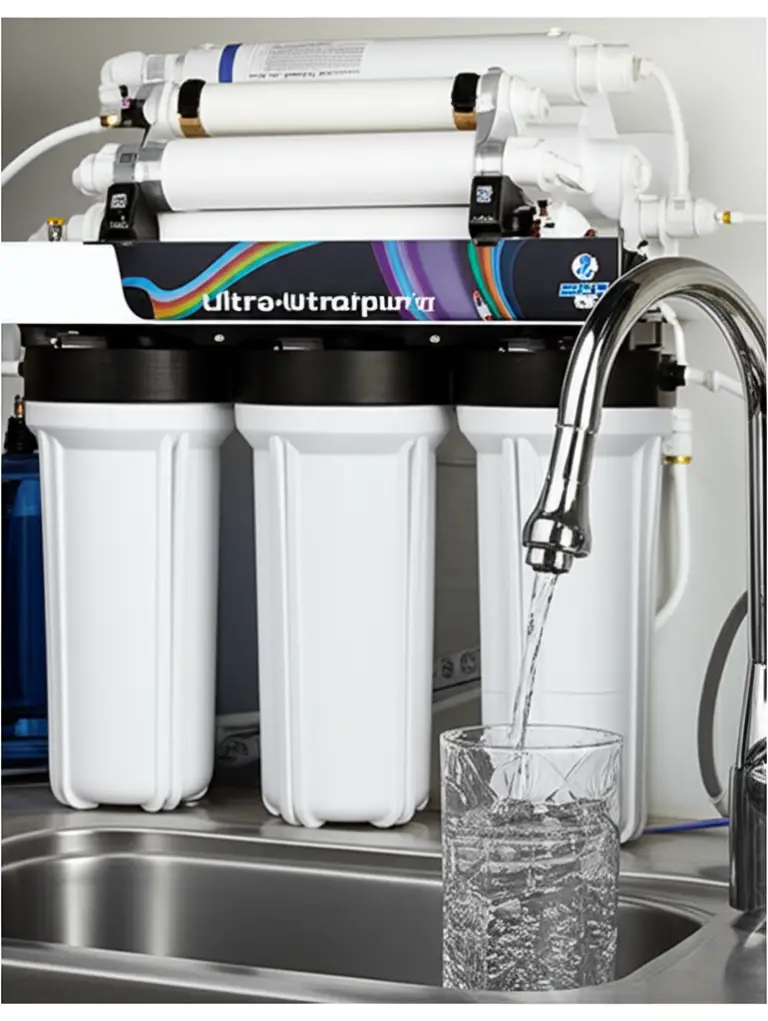
- Under-Sink Filters: A more permanent solution that filters water before it ever reaches your tap. They have a much higher capacity and can remove a wider range of contaminants.
- Countertop Filters: These larger units, like the Berkey systems, sit on your counter and can filter large volumes of water, often without needing to be connected to your plumbing.
- Whole-House Filters: The most comprehensive solution, these systems are installed where your main water line enters your home, ensuring that every tap—from your kitchen sink to your shower—delivers filtered water.
🛠️ Maintenance & Care: Keeping Your Water Filter Pitcher Pristine
Think your pitcher is self-cleaning because it only holds water? Think again! A neglected pitcher can become a haven for mold and bacteria. Yuck! Here’s how to keep your water vessel sparkling clean.
- Disassemble: Take the pitcher apart—remove the lid, the reservoir, and the filter. Set the filter aside. Never wash the filter itself with soap.
- Wash with Soap and Water: Hand-wash the pitcher, reservoir, and lid with mild dish soap and warm water. Use a soft sponge to get into all the nooks and crannies.
- Banish Buildup: If you see any slimy spots or hard water scale, tackle them with a vinegar solution. A common recommendation is to use a mixture of one part white vinegar to one to three parts water. Let the parts soak for about 20 minutes or use a sponge dipped in the solution to scrub away the grime.
- Rinse and Dry Thoroughly: Rinse all the soap and vinegar residue off the components and let them air-dry completely before reassembling.
- Prep the New Filter: Follow the manufacturer’s instructions for your new filter. This may involve a quick rinse or a 15-minute soak.
- Reassemble and Enjoy: Put your clean pitcher back together, pop in the new filter, and you’re ready for more delicious, clean water!
How often should you clean it? A good rule of thumb is to give it a thorough cleaning every time you change the filter.
♻️ The Environmental Impact: Ditching Plastic Bottles for Good
Choosing a water filter pitcher is one of the easiest and most impactful eco-friendly swaps you can make. The problem with single-use plastic bottles is staggering.
- Massive Waste: Billions of plastic bottles end up in landfills and oceans each year, where they take hundreds of years to decompose.
- Resource Intensive: It takes significant energy and water to produce and transport plastic bottles. In fact, producing a single plastic bottle can require up to 6-7 times the amount of water that ends up inside it.
- Carbon Footprint: The entire lifecycle of bottled water, from production to disposal, generates massive carbon emissions—up to 2,000 times the energy needed for tap water.
By switching to a reusable bottle and a filter pitcher, you are drastically reducing plastic waste, conserving resources, and lowering your carbon footprint. It’s a powerful choice for a healthier planet.
🚫 Common Myths About Water Filtration Debunked: Separating Fact from Fiction
The world of water filtration is flooded with misinformation. Let’s clear the air and bust some common myths!
-
Myth 1: All water filters are the same.
- Fact: Absolutely not! As we’ve seen, filters vary immensely in the technology they use and the contaminants they remove. A basic carbon filter for taste is worlds apart from a multi-stage system that removes lead and bacteria.
-
Myth 2: Boiling water is just as good as filtering.
- Fact: Boiling is effective at killing microbiological contaminants like bacteria and viruses. However, it does not remove chemical contaminants like lead, chlorine, pesticides, or PFAS. In fact, as water evaporates, it can even concentrate these contaminants.
-
Myth 3: Filtered water is unhealthy because it removes beneficial minerals.
- Fact: While some filters, like reverse osmosis systems and ZeroWater pitchers, do remove minerals, most standard pitcher filters leave them in. Furthermore, we get the vast majority of our essential minerals from food, not water. You’d have to drink a bathtub full of tap water to get the same amount of calcium as a single glass of orange juice. The primary benefit of drinking water is hydration, and removing potentially harmful contaminants is a net positive for your health.
-
Myth 4: If my water tastes fine, it must be safe.
- Fact: Many of the most dangerous contaminants, including lead, arsenic, PFAS, and nitrates, are colorless, odorless, and tasteless. Good taste is a great start, but it’s not a guarantee of safety.
-
Myth 5: Water from a filter pitcher spoils faster.
- Fact: This one is actually true! Chlorine is added to tap water to keep bacteria from growing. When your filter removes that chlorine, the water loses its protective disinfectant. That’s why it’s recommended to store your filtered water in the fridge and consume it within a day or two. It’s also another reason why keeping your pitcher clean is so important!
🔬 Water Quality Testing: Do You Really Need It?
So, how do you know what’s actually in your water? While not always necessary, testing your water is the single best way to make an informed decision about filtration.
- If You’re on a Public Water System: Your water utility is required to provide you with an annual water quality report, sometimes called a Consumer Confidence Report (CCR). This report lists the contaminants detected in your water supply and at what levels. This is a great starting point.
- If You Have a Private Well: You are solely responsible for your water’s safety. The CDC and EPA recommend testing well water annually for bacteria, nitrates, TDS, and pH levels.
- When to Consider Extra Testing: Even on a public system, you might want to test specifically for lead if you have an older home with plumbing installed before 1986. You can use at-home test kits, but for the most accurate results, send a sample to a state-certified laboratory.
Testing empowers you to move beyond guessing and choose a filter that is certified to remove the specific contaminants that are a concern for your home.
💡 Our Expert Recommendations: Making the Right Choice for Your Hydration Journey
Feeling overwhelmed? Don’t be! Here’s our final, distilled advice from the Water Brands™ team.
-
For the Average User (Good Municipal Water): If your main goals are better taste, removing chlorine, and having certified protection against lead and PFAS, the Brita Everyday Pitcher with the Elite Filter is our top recommendation. It offers the best balance of performance, convenience, and incredible long-term value.
-
For Maximum Contaminant Removal: If you have known water quality issues, live on well water, or simply want the most powerful filtration you can get in a pitcher, it’s a toss-up between two titans:
- The Clearly Filtered Water Pitcher offers the most comprehensive, data-backed removal list and 100% PFAS reduction.
- The Epic Pure Water Filter Pitcher is a very close second, also removes a massive list of contaminants (including fluoride), and offers superior long-term value with its 150-gallon filter.
-
For the Purity Purist: If your goal is water with absolutely nothing else in it (0 TDS), and you don’t mind the high maintenance cost, the ZeroWater 10-Cup Pitcher is the undisputed champion.
-
For the Design-Conscious & Eco-Minded: If aesthetics and sustainability are your top priorities and your water is already quite safe, the Soma 10-Cup Water Filter Pitcher will make your countertop and your conscience happy.
🎉 Conclusion: Your Journey to Better Water Starts Here!

We’ve journeyed through the fascinating world of water purifier pitchers, from the science behind filtration to the nitty-gritty of certifications and design. Along the way, we’ve uncovered the strengths and quirks of the top contenders on the market, helping you navigate the splashy sea of choices with confidence.
Here’s the quick recap:
-
The Brita Longlast Everyday Pitcher stands out as the best all-rounder, offering excellent contaminant removal for common concerns, superb taste improvement, and a long-lasting filter that delivers great value. It’s the reliable workhorse for most households.
-
The PUR Classic Pitcher is a solid alternative with a broad contaminant reduction profile, though with a shorter filter life and slower filtration speed.
-
For those craving ultra-pure, zero TDS water, the ZeroWater 10-Cup Pitcher is unmatched, but be prepared for frequent filter changes and a distinct taste.
-
The LifeStraw Home Pitcher is a unique champion against microbiological contaminants and microplastics, perfect if you want heavy-duty protection.
-
If style and sustainability top your list, the Soma 10-Cup Pitcher offers an elegant, eco-conscious option with good basic filtration.
-
For maximum contaminant removal, including fluoride and PFAS, the Epic Pure Water Filter Pitcher and the Clearly Filtered Water Pitcher are the titans, backed by extensive independent testing and certifications.
Remember, the best pitcher for you depends on your water quality and personal priorities. Testing your water or reviewing your local water report can help you zero in on the right choice.
So, what’s the bottom line? Whether you want to upgrade your tap water’s taste, protect your family from hidden contaminants, or reduce plastic waste, investing in a high-quality water purifier pitcher is a smart, simple step toward better hydration and health. Your taste buds—and your body—will thank you.
Ready to make your pick? Dive into our recommended links below and start sipping smarter today!
🔗 Recommended Links: Dive Deeper into Water Wellness
Shop Our Top Water Purifier Pitchers
-
Brita Longlast Everyday Pitcher:
Amazon | Walmart | Brita Official Website -
PUR Classic Pitcher:
Amazon | Walmart | PUR Official Website -
ZeroWater 10-Cup Pitcher:
Amazon | Walmart | ZeroWater Official Website -
LifeStraw Home Water Filter Pitcher:
Amazon | LifeStraw Official Website -
Soma 10-Cup Water Filter Pitcher:
Amazon | Soma Official Website -
Epic Pure Water Filter Pitcher:
Amazon | Epic Water Filters Official Website -
Clearly Filtered Water Pitcher:
Amazon | Clearly Filtered Official Website
Recommended Books on Water Quality and Filtration
-
The Water Paradox: How We Are Killing and Saving the Planet’s Most Precious Resource by Ed Barbier
Amazon Link -
Water Quality & Treatment: A Handbook on Drinking Water by American Water Works Association
Amazon Link -
Reverse Osmosis: Design, Processes, and Applications for Engineers by Jane Kucera
Amazon Link
❓ FAQ: Your Most Pressing Water Filter Pitcher Questions Answered

What features should I look for in the best water purifier pitcher?
Look for NSF/ANSI certifications (especially 42, 53, and 401) to ensure the filter removes contaminants like chlorine, lead, and emerging chemicals. Consider filter lifespan (longer is better for cost and convenience), pitcher capacity (to fit your household needs), ease of use (refilling and filter replacement), and material safety (BPA-free plastics or glass). Bonus points for a filter life indicator and a design that fits your fridge space.
Read more about “Top 15 Water Filter Brands in USA You Need to Know (2025) 💧”
How does a water purifier pitcher improve the taste of tap water?
Most pitchers use activated carbon filters that adsorb chlorine and organic compounds responsible for unpleasant tastes and odors. Removing these chemicals results in crisper, cleaner-tasting water that encourages you to drink more. Some filters also reduce metals like iron or manganese, which can cause metallic or earthy flavors.
Read more about “What Is the Best Healthy Water to Drink? 💧 Top 10 Picks (2025)”
Are water purifier pitchers effective against bacteria and viruses?
Generally, standard water filter pitchers are not designed to remove bacteria or viruses. They primarily target chemical contaminants and particulates. However, specialized pitchers like the LifeStraw Home use hollow fiber membranes that can physically block bacteria and parasites, making them effective against microbiological contaminants. For viral removal, more advanced treatment like UV purification or boiling is necessary.
Read more about “💧 Top 10 Best Water Pitchers of 2025: Ultimate Guide & Reviews”
Which water purifier pitcher is best for removing chlorine and heavy metals?
The Brita Longlast Everyday Pitcher and PUR Classic Pitcher are both NSF certified to remove chlorine and heavy metals such as lead and mercury. For more comprehensive removal, including fluoride and PFAS, the Epic Pure and Clearly Filtered pitchers excel, backed by independent testing and certifications.
How often should I replace the filter in a water purifier pitcher?
Filter replacement depends on the model and your water usage but typically ranges from 40 gallons (about 2 months) for standard filters to 120-150 gallons (up to 6 months) for long-life filters. Always follow the manufacturer’s guidelines and use the filter life indicator if available. Using an expired filter can reduce effectiveness and risk bacterial growth.
Read more about “8 Affordable Water Filter Brands That Actually Deliver in 2025 💧”
Can water purifier pitchers remove fluoride from drinking water?
Most standard pitchers do not remove fluoride. However, some advanced pitchers like the Epic Pure and Clearly Filtered have demonstrated significant fluoride reduction in independent tests. If fluoride removal is a priority, check for specific certifications or lab results before purchasing.
Read more about “Top 10 Water Filter Brands for Home (2025) 💧: Which One Reigns Supreme?”
What are the top-rated water purifier pitchers for improving water quality?
Our top-rated pitchers include:
- Brita Longlast Everyday Pitcher – Best all-rounder for taste and common contaminants.
- Clearly Filtered Water Pitcher – Best for comprehensive contaminant removal including PFAS and fluoride.
- Epic Pure Water Filter Pitcher – Best for maximum contaminant removal and long filter life.
- ZeroWater 10-Cup Pitcher – Best for ultra-pure, zero TDS water.
- LifeStraw Home Water Filter Pitcher – Best for microbiological protection.
Read more about “Top 12 Water Filter Brands You Need to Know in 2025 💧”
How do I know which contaminants are in my tap water?
Start by reviewing your local water utility’s Consumer Confidence Report (CCR), which is typically available online. For private wells or more detailed analysis, consider using a certified laboratory or at-home water testing kits. Knowing your water’s specific contaminants helps you choose the most effective filter.
Read more about “💧 The 15 Best Bottled Waters in the World (2025) — Taste Tested & Ranked!”
Are water filter pitchers environmentally friendly?
Yes! Using a water filter pitcher significantly reduces reliance on single-use plastic bottles, cutting down plastic waste and carbon emissions. Many brands also offer recycling programs for used filters, and some pitchers are made from sustainable materials.
Read more about “💧 What Are the Top 11 Best Waters to Drink in 2025? Discover Your Perfect Sip!”
📚 Reference Links: Our Sources for Crystal-Clear Information
-
Environmental Working Group (EWG) Guide to PFAS Water Filters:
https://www.ewg.org/research/getting-forever-chemicals-out-drinking-water-ewgs-guide-pfas-water-filters -
Wirecutter’s Best Water Filter Pitchers:
https://www.nytimes.com/wirecutter/reviews/best-water-filter-pitcher/ -
Water Filter Guru’s Best Water Filter Pitcher Reviews:
https://waterfilterguru.com/best-water-filter-pitcher-reviews/ -
NSF International Certified Products Database:
https://info.nsf.org/Certified/dwtu/ -
Brita Official Website:
https://www.brita.com/ -
PUR Official Website:
https://www.pur.com/ -
ZeroWater Official Website:
https://www.zerowater.com/ -
LifeStraw Official Website:
https://lifestraw.com/ -
Soma Official Website:
https://fullcirclehome.com/ -
Epic Water Filters Official Website:
https://www.epicwaterfilters.com/ -
Clearly Filtered Official Website:
https://www.clearlyfiltered.com/
Thank you for joining the Water Brands™ team on this deep dive into the best water purifier pitchers. Here’s to clearer, tastier, and healthier hydration ahead! 💧🥂