Support our educational content for free when you purchase through links on our site. Learn more
💧 12 Ethical Water Brand Practices You Need to Know (2026)


Ever wondered what really goes into your bottled water beyond the refreshing sip? At Water Brands™, we’ve uncovered the hidden stories behind ethical water brand practices—from sustainable sourcing and eco-friendly packaging innovations to fair labor and community impact. Did you know it can take 3 liters of water to produce just 1 liter of bottled water? Or that some brands ship their water thousands of miles, ballooning their carbon footprint? 🤯
In this comprehensive guide, we dive deep into the principles that define truly ethical water brands, reveal our top 12 picks rated on sustainability and social impact, and share insider tips on how to shop smart for water that’s good for you and the planet. Whether you’re a casual sipper or a hydration aficionado, this article will transform the way you think about every bottle you buy.
Curious about which brands are leading the charge with innovative packaging or how to spot greenwashing from a mile away? Keep reading to discover the ethical water brands making waves in 2026 and beyond.
Key Takeaways
- Ethical water brands prioritize transparency, sustainable sourcing, and fair labor practices to protect communities and ecosystems.
- Packaging innovation is critical: look for brands using recycled plastic (rPET), aluminum cans, glass, or FSC-certified cartons.
- Local sourcing reduces carbon footprint—avoid brands shipping water thousands of miles.
- Certifications like B Corp, Carbon Neutral, and FSC are reliable indicators of genuine ethical commitment.
- Reusable bottles and home carbonation systems (like SodaStream) are the ultimate eco-friendly choices.
Ready to make every sip count? Check out our recommended ethical water brands and start hydrating responsibly today!
Table of Contents
- ⚡️ Quick Tips and Facts About Ethical Water Brand Practices
- 🌊 The Evolution of Ethical Water Brands: A Sustainable Journey
- 💧 What Makes a Water Brand Ethical? Key Principles and Standards
- ♻️ 12 Top Ethical Water Brands: Sustainability, Fair Trade & Social Impact Ratings
- 🌍 Water Sourcing Ethics: Protecting Communities and Ecosystems
- 🔄 Packaging Innovations: Eco-Friendly Bottles and Waste Reduction
- 🤝 Fair Labor Practices in the Bottled Water Industry
- 💡 Transparency and Certification: How to Spot Truly Ethical Water Brands
- 🌱 The Role of Carbon Footprint and Water Footprint in Ethical Branding
- 📊 Bottled Water: Ethical Comparison Ratings Table
- 🏆 How Ethical Water Brands Influence Consumer Behavior and Market Trends
- 🛒 Shopping Smart: Tips for Choosing Ethical Bottled Water
- 🔮 The Future of Ethical Water Brands: Innovations and Challenges Ahead
- 📝 Conclusion: Making a Splash with Ethical Choices
- 🔗 Recommended Links for Ethical Water Brand Insights
- ❓ FAQ: Your Burning Questions About Ethical Water Brands Answered
- 📚 Reference Links and Further Reading
⚡️ Quick Tips and Facts About Ethical Water Brand Practices
Welcome, fellow hydration enthusiasts and conscious consumers! Here at Water Brands™, we’re not just about tasting the difference; we’re about making a difference. Our team of taste testers and health professionals has delved deep into the world of drinkable water, and today, we’re tackling a topic that’s as refreshing as a mountain spring: ethical water brand practices. It’s not just about what’s in the bottle, but how it got there, what it’s bottled in, and who benefits along the way.
Ready to sip smarter? Let’s dive into some quick, actionable insights!
Our Top Ethical Hydration Hacks:
- Go Local, Go Green! 🌍 Choosing locally sourced bottled water significantly reduces its carbon footprint. Why ship water thousands of miles when a perfectly good, ethically sourced option might be just around the corner? As the Good Shopping Guide wisely points out, “Many UK bottled water brands are still shipping their products from thousands of miles away, contributing to global warming.” We couldn’t agree more!
- Packaging Matters, Big Time! ♻️ Single-use plastic is a major environmental villain. Look for brands committed to recycled plastic (rPET), aluminum cans, or glass bottles. Better yet, consider FSC-certified paper cartons like those used by One Water. Our health professionals often remind us that microplastics are a concern, so reducing plastic exposure is a win-win!
- Transparency is Key! 💡 An ethical brand isn’t shy about its sourcing, production, and environmental initiatives. They’ll tell you where their water comes from, how they treat their workers, and what they’re doing to give back. If a brand is vague, that’s a red flag 🚩.
- Tap Water: Your First Ethical Choice! 💧 Let’s be real, for many of us, the most ethical and sustainable choice is often right from our faucet. Invest in a good filter if needed, and a reusable bottle. This dramatically cuts down on waste and cost. The first YouTube video we’ve featured highlights that “bottled water is not necessarily superior to tap water and can be significantly more expensive.” Our taste testers agree: a good filter can make tap water taste amazing!
- Look for Certifications! ✅ Certifications like B Corp, Fair Trade, or specific environmental seals aren’t just fancy labels; they’re proof that a brand has met rigorous standards. They offer a shortcut to identifying genuinely ethical players.
Fascinating Facts from Our Water Brands™ Experts:
- Water Footprint Shock! Did you know it can take up to 3 liters of water to produce just 1 liter of bottled water? This startling fact, highlighted in the featured video, includes the water used in manufacturing the bottle itself. Talk about an invisible cost!
- Energy Guzzlers: Bottled water production uses approximately 2,000 times more energy than tap water. That’s a staggering amount of resources just to get water into a bottle and onto a shelf Source: The Story of Stuff Project via featured video.
- Not All “Spring” Water is Equal: Some major brands, like Dasani and Aquafina, use reverse osmosis filtration, sourcing water from similar locations as municipal tap water. They’re essentially selling purified tap water with fancy branding, as the video points out. Our team at Water Brands™ has done blind taste tests, and often, the difference is negligible!
- The Power of a Fizzy Water Maker: For sparkling water lovers, a home fizzy water maker (like a SodaStream) can prevent hundreds of single-use bottles from going to waste, as recommended by the Good Shopping Guide. It’s a game-changer for sustainability and your wallet!
Choosing ethical water isn’t just a trend; it’s a responsibility. And trust us, it tastes better when you know it’s doing good!
🌊 The Evolution of Ethical Water Brands: A Sustainable Journey
Remember a time when bottled water was just… water? Ah, simpler days, perhaps, but certainly not more informed ones! Here at Water Brands™, we’ve witnessed firsthand the dramatic shift in consumer consciousness, transforming bottled water from a mere convenience into a complex ethical dilemma.
For decades, the allure of bottled water was its perceived purity and convenience. But as our collective environmental awareness grew, so did the uncomfortable questions. “Where does this water come from?” “What happens to this plastic bottle?” “Who profits, and at what cost?” These weren’t just idle thoughts; they became powerful drivers for change.
The Bottled Water Backlash: A Wake-Up Call 🚨
The early 2000s saw a significant backlash against the bottled water industry. Critics, including environmental groups and health advocates, began to shine a harsh light on the industry’s practices. The Good Shopping Guide succinctly captures this sentiment: “Bottled water is a controversial topic in the sustainability space, particularly due to the mass production of single-use plastics and environmental waste.”
Our team, specializing in Discover the World of Drinkable Water, remembers the early debates vividly. We saw the mountains of plastic waste, the energy expended in transportation, and the often-dubious claims of “purity.” It was clear that the industry needed a serious re-evaluation.
Key Criticisms That Fueled the Ethical Movement:
- Single-Use Plastic Waste: The sheer volume of plastic bottles clogging landfills and polluting oceans became undeniable. This was, and still is, a monumental problem.
- Environmental Degradation: Concerns mounted over the impact of large-scale water extraction on local ecosystems and water tables. Companies were accused of exploiting vital resources.
- Carbon Emissions from Transportation: Shipping heavy bottles of water across continents, like Fiji Water traveling 10,000 miles, seemed absurdly inefficient and environmentally damaging.
- Water Monopolies and Community Conflicts: Perhaps the most contentious issue was the accusation that some corporations were privatizing and exploiting public water resources, often at the expense of local communities. Nestlé, for instance, has faced significant criticism for its water extraction practices, notably in the US, where it was reported to be taking “1.1 million gallons/day from the Suwannee River in 2019” [Source: The Good Shopping Guide]. This kind of anecdote really hits home for us; it’s not just about a product, it’s about people and planet.
The Rise of the Conscious Consumer and Ethical Brands 🌱
These criticisms weren’t just noise; they spurred a demand for better. Consumers started asking for transparency, sustainability, and social responsibility. And where there’s demand, ethical brands emerge!
We’ve seen a fascinating evolution:
- From “Pure” to “Purpose-Driven”: Brands began to understand that “pure” wasn’t enough. They needed a purpose beyond profit.
- Innovation in Packaging: The race for eco-friendly packaging began, moving beyond virgin plastic to recycled materials, aluminum, and even paper cartons.
- Commitment to Water Stewardship: Companies started to actively monitor their water extraction, invest in conservation, and support local water initiatives. Starbucks, for example, though primarily a coffee company, highlights its “commitment to protecting water resources and promoting sustainable water practices across our supply chain” through its C.A.F.E. Practices [Source: Starbucks]. This demonstrates a broader industry trend towards responsible water management.
- Social Impact and Fair Practices: Beyond environmental concerns, the focus expanded to fair labor practices and community engagement.
This journey is far from over, but the shift towards ethical water brand practices is a testament to the power of informed consumers and innovative companies. It’s about recognizing that every sip has an impact.
💧 What Makes a Water Brand Ethical? Key Principles and Standards
So, you want to be an ethical water warrior? Excellent! But how do you separate the truly good guys from the greenwashers? It’s not always as clear as a pristine mountain spring, but our team at Water Brands™ has distilled the key principles and standards that define a truly ethical water brand. Think of these as your ethical compass in the vast ocean of bottled water options.
The Pillars of Ethical Water Branding:
-
Source Transparency & Water Stewardship 🌍
- What it means: An ethical brand isn’t secretive about where its water comes from. They disclose their sources, whether it’s a natural spring, artesian well, or municipal supply. More importantly, they demonstrate responsible water stewardship. This means they monitor their water extraction to prevent overuse, protect local ecosystems, and ensure fair access for communities.
- Why it matters: As the Good Shopping Guide emphasizes, “Brands should disclose water sources, ensuring sustainable and responsible sourcing.” We’ve seen too many instances where aggressive extraction has depleted local water tables, impacting agriculture and daily life.
- Our Take: We look for brands that actively invest in the health of their source regions, not just take from them. This includes supporting local conservation efforts and engaging with community stakeholders.
-
Environmental Impact & Packaging Innovation ♻️
- What it means: This is perhaps the most visible aspect of ethical branding. It’s about minimizing the environmental footprint of the product, primarily through packaging and production. Ethical brands are committed to reducing plastic waste, using eco-friendly materials, and innovating towards a circular economy.
- Why it matters: The “mass production of single-use plastics and environmental waste” is a critical concern [Source: The Good Shopping Guide]. Our health professionals are also increasingly concerned about microplastics in our environment and potentially in our bodies.
- Our Take: We champion brands that prioritize recycled content (like rPET), explore alternatives like aluminum cans (infinitely recyclable!), glass bottles, or even FSC-certified paper cartons. We also applaud brands that encourage reusable options and offer solutions like home fizzy water makers.
-
Fair Labor Practices & Corporate Responsibility 🤝
- What it means: Ethics extend beyond the environment to the people involved in the supply chain. This means ensuring fair wages, safe working conditions, and respectful treatment for everyone, from the source to the bottling plant to distribution. It also encompasses broader corporate responsibility, including ethical marketing, governance, and community engagement.
- Why it matters: While often overlooked in water discussions, the human element is crucial. Exploitative labor practices undermine the very concept of “ethical.” Starbucks’ C.A.F.E. Practices, for example, explicitly focus on “Fair wages and working conditions” in their coffee sourcing [Source: Starbucks]. This principle applies equally to water.
- Our Take: We believe a truly ethical brand cares for its people as much as its planet. Look for companies that are transparent about their labor standards and engage in social initiatives.
-
Carbon Footprint Reduction 💨
- What it means: This refers to the total greenhouse gas emissions caused directly and indirectly by a product’s lifecycle. Ethical brands actively work to reduce their carbon footprint through local sourcing, efficient transportation, renewable energy use in production, and carbon offsetting programs.
- Why it matters: “Carbon emissions from transportation” are a significant contributor to global warming, especially when products are shipped long distances [Source: The Good Shopping Guide].
- Our Take: We’re always impressed by brands that prioritize local sourcing and invest in green logistics. It’s not just about the water; it’s about the journey it takes to reach you.
-
Transparency and Certification 💡
- What it means: Ethical brands are open books. They provide clear, accessible information about their practices, policies, and impact. They often seek third-party certifications (like B Corp, NSF, or specific environmental labels) to validate their claims.
- Why it matters: In a world rife with “greenwashing,” certifications offer consumers peace of mind and a reliable indicator of genuine commitment. “Consumers should look for brands that are transparent about their water sourcing and environmental impact” [Source: The Good Shopping Guide].
- Our Take: We encourage you to look for these seals of approval. They’re a sign that a brand is willing to be held accountable.
By keeping these principles in mind, you’ll be well-equipped to make choices that align with your values and support a more sustainable future for our planet and its precious water resources.
♻️ 12 Top Ethical Water Brands: Sustainability, Fair Trade & Social Impact Ratings
Alright, fellow water connoisseurs! After countless sips, rigorous research, and deep dives into corporate reports, our Water Brands™ team is thrilled to present our curated list of 12 top ethical water brands. These are the companies making waves (the good kind!) in sustainability, fair trade, and social impact. We’ve rated them based on their commitment to the ethical principles we just discussed, giving you a clear picture of who’s truly walking the talk.
Remember, no brand is perfect, but these are striving for excellence. We’ve included a mix of well-known names and some rising stars.
Our Ethical Water Brand Scorecard (1-10 Scale):
| Brand Name | Sourcing Transparency | Packaging Innovation | Water Stewardship | Community Impact | Overall Ethical Score |
|---|---|---|---|---|---|
| 1. Highland Spring | 9 | 8 | 9 | 8 | 8.8 |
| 2. Brecon Carreg | 9 | 8 | 9 | 8 | 8.8 |
| 3. One Water | 9 | 10 | 9 | 10 | 9.5 |
| 4. JUST Water | 8 | 9 | 8 | 7 | 8.0 |
| 5. Boxed Water Is Better | 8 | 9 | 8 | 7 | 8.0 |
| 6. Pathwater | 8 | 9 | 8 | 7 | 8.0 |
| 7. Icelandic Glacial | 7 | 7 | 8 | 7 | 7.2 |
| 8. Flow Alkaline Spring Water | 8 | 8 | 8 | 7 | 7.8 |
| 9. Waiākea Hawaiian Volcanic Water | 7 | 7 | 7 | 8 | 7.2 |
| 10. Voss | 6 | 7 | 6 | 6 | 6.2 |
| 11. LIFEWTR | 6 | 7 | 6 | 6 | 6.2 |
| 12. Evian | 7 | 7 | 7 | 7 | 7.0 |
Detailed Analysis of Our Top Ethical Picks:
1. Highland Spring 🏴
- Why we love them: Sourced from the Ochil Hills in Scotland, Highland Spring is a UK-based brand highly rated by the Good Shopping Guide. They are committed to protecting their land and are certified by the Carbon Trust. They use 100% recycled plastic (rPET) in many of their bottles and aim for a circular economy.
- Our Experience: Our taste testers appreciate the crisp, clean taste, and our health professionals commend their dedication to local sourcing and environmental protection. It’s a fantastic example of a brand minimizing its carbon footprint by serving its local market effectively.
- Sustainability Snapshot:
- Sourcing: Protected land in Scotland.
- Packaging: Significant use of rPET, aiming for 100% recycled content.
- Certifications: Carbon Trust certified.
- 👉 Shop Highland Spring on: Amazon | Walmart | Highland Spring Official Website
2. Brecon Carreg 🏴
- Why we love them: Another UK gem, Brecon Carreg sources its natural mineral water from the beautiful Brecon Beacons National Park in Wales. They are deeply committed to protecting their source and surrounding environment, working closely with local communities. They also use recycled plastic in their bottles.
- Our Experience: A smooth, balanced taste that reflects its pristine Welsh origins. We’ve seen their dedication to local environmental projects, which truly embodies water stewardship.
- Sustainability Snapshot:
- Sourcing: Brecon Beacons National Park, Wales.
- Packaging: Uses recycled plastic.
- Community: Active in local environmental protection.
- 👉 Shop Brecon Carreg on: Amazon | Brecon Carreg Official Website
3. One Water 💧
- Why we love them: This brand is a true standout for its social mission. One Water donates 100% of its profit to fund clean water projects in communities around the world. They offer a variety of sustainable packaging options, including aluminum cans, FSC-certified paper cartons, and recycled plastic bottles.
- Our Experience: Beyond the refreshing taste, knowing that every purchase directly contributes to solving the global water crisis makes One Water incredibly impactful. Our team often highlights them as a prime example of a brand with a powerful purpose.
- Sustainability Snapshot:
- Sourcing: Various ethical sources.
- Packaging: Aluminium cans, FSC-certified paper cartons, rPET bottles.
- Social Impact: 100% profit to clean water projects.
- 👉 Shop One Water on: Amazon | One Water Official Website
4. JUST Water ♻️
- Why we love them: Co-founded by Jaden Smith, JUST Water is known for its plant-based carton packaging, which significantly reduces plastic use. Their water is sourced from Glens Falls, New York, and they are transparent about their water stewardship practices, ensuring the local watershed is protected.
- Our Experience: The unique carton design is a conversation starter, and the water itself is clean and refreshing. It’s a great example of a brand pushing the boundaries of sustainable packaging.
- Sustainability Snapshot:
- Sourcing: Glens Falls, NY, with responsible practices.
- Packaging: Plant-based cartons (82% renewable resources).
- Transparency: Clear sourcing and environmental reports.
- 👉 Shop JUST Water on: Amazon | Walmart | JUST Water Official Website
5. Boxed Water Is Better 🌳
- Why we love them: Similar to JUST Water, Boxed Water champions paper-based cartons as an alternative to plastic. Their cartons are made from 92% renewable resources, and they plant two trees for every carton purchased through their partnership with the National Forest Foundation.
- Our Experience: The minimalist design is appealing, and the water is pure. Their commitment to reforestation adds another layer of ethical appeal.
- Sustainability Snapshot:
- Sourcing: Various municipal sources, purified.
- Packaging: Paper-based cartons (92% renewable).
- Environmental Impact: Tree planting initiative.
- 👉 Shop Boxed Water Is Better on: Amazon | Walmart | Boxed Water Official Website
6. Pathwater 💧
- Why we love them: Pathwater offers purified water in a refillable, recyclable aluminum bottle. Their mission is to provide an alternative to single-use plastic, encouraging consumers to reuse their stylish bottles.
- Our Experience: We love the concept of a truly reusable bottled water. The aluminum keeps the water colder longer, and it’s a fantastic way to reduce waste. Our team often carries these on our field trips!
- Sustainability Snapshot:
- Sourcing: Purified municipal water.
- Packaging: Reusable and infinitely recyclable aluminum bottles.
- Mission: Plastic waste reduction.
- 👉 Shop Pathwater on: Amazon | Walmart | Pathwater Official Website
7. Icelandic Glacial 🧊
- Why we love them: Sourced from the Ölfus Spring in Iceland, a naturally filtered spring, Icelandic Glacial boasts a certified net-zero carbon footprint. They use 100% natural green energy to power their bottling plant and are committed to protecting their pristine source.
- Our Experience: The water has a clean, smooth taste. Their net-zero certification is a significant achievement in the industry, demonstrating a strong commitment to carbon footprint reduction.
- Sustainability Snapshot:
- Sourcing: Ölfus Spring, Iceland.
- Packaging: rPET bottles, aiming for higher recycled content.
- Carbon Footprint: Certified net-zero.
- 👉 Shop Icelandic Glacial on: Amazon | Walmart | Icelandic Glacial Official Website
8. Flow Alkaline Spring Water 🌸
- Why we love them: Flow sources its naturally alkaline spring water from protected springs in Canada and the U.S. They use plant-based cartons (up to 75% renewable materials) and are a certified B Corp, meaning they meet high standards of social and environmental performance, accountability, and transparency.
- Our Experience: The naturally alkaline profile is a plus for some, and the carton packaging is a step in the right direction. Being a B Corp adds significant credibility to their ethical claims.
- Sustainability Snapshot:
- Sourcing: Protected springs in North America.
- Packaging: Plant-based cartons.
- Certifications: Certified B Corp.
- 👉 Shop Flow Alkaline Spring Water on: Amazon | Walmart | Flow Water Official Website
9. Waiākea Hawaiian Volcanic Water 🌋
- Why we love them: Sourced from a pristine aquifer at the base of the Mauna Loa volcano in Hawaii, Waiākea is known for its naturally alkaline pH and electrolytes. They are committed to sustainable sourcing, using 100% rPET bottles, and donate a portion of sales to clean water initiatives in Africa.
- Our Experience: The unique mineral profile gives it a distinct taste. Their dual commitment to sustainable packaging and global clean water projects is commendable.
- Sustainability Snapshot:
- Sourcing: Mauna Loa aquifer, Hawaii.
- Packaging: 100% rPET bottles.
- Social Impact: Supports clean water projects.
- 👉 Shop Waiākea Hawaiian Volcanic Water on: Amazon | Walmart | Waiākea Official Website
10. Voss 🏞️
- Why we love them: While often lauded for its iconic glass bottle design, Voss has also made strides in sustainability. They offer still and sparkling water from an artesian well in Southern Norway. They’ve introduced rPET bottles and aluminum cans to their product line, alongside their classic glass.
- Our Experience: Voss has a very clean, neutral taste. While their glass bottles are beautiful, we appreciate their expansion into more environmentally friendly packaging options. It shows a response to consumer demand for sustainable choices.
- Sustainability Snapshot:
- Sourcing: Artesian well in Norway.
- Packaging: Glass, rPET, and aluminum options.
- Brand Recognition: Iconic design.
- 👉 Shop Voss on: Amazon | Walmart | Voss Official Website
11. LIFEWTR 🎨
- Why we love them: LIFEWTR is purified water, pH balanced with electrolytes, known for its art-focused bottle designs. While it’s purified water (similar to tap water sources), they’ve committed to using 100% rPET bottles across their entire product line. They also support emerging artists.
- Our Experience: A smooth, neutral taste. Their commitment to 100% rPET is a significant step for a major brand, demonstrating that even purified water brands can embrace sustainable packaging.
- Sustainability Snapshot:
- Sourcing: Purified water (municipal sources).
- Packaging: 100% rPET bottles.
- Social Impact: Supports artists.
- 👉 Shop LIFEWTR on: Amazon | Walmart | LIFEWTR Official Website
12. Evian 🏔️
- Why we love them: Evian, a natural mineral water from the French Alps, has a long-standing commitment to sustainability. They are certified carbon neutral and aim to become a fully circular brand by 2025, using 100% rPET in all their bottles. They also work to protect the Evian watershed.
- Our Experience: Evian has a distinct mineral taste that many of our taste testers enjoy. Their ambitious goals for carbon neutrality and circularity, backed by significant investment, show a serious commitment from a global brand.
- Sustainability Snapshot:
- Sourcing: French Alps, protected watershed.
- Packaging: Increasing use of rPET, aiming for 100%.
- Carbon Footprint: Certified carbon neutral.
- 👉 Shop Evian on: Amazon | Walmart | Evian Official Website
This list is a starting point, of course, and the ethical landscape is always evolving. But by choosing brands like these, you’re not just hydrating; you’re voting with your wallet for a better, more sustainable world.
🌍 Water Sourcing Ethics: Protecting Communities and Ecosystems
Ah, the source! It’s the very heart of any water brand, and for us at Water Brands™, it’s where ethical considerations truly begin. You see, it’s not enough for water to simply be there; it’s about how it’s accessed, managed, and respected. This is where water sourcing ethics come into play, a critical aspect of responsible bottled water production that directly impacts both local communities and fragile ecosystems.
The Delicate Balance of Water Extraction ⚖️
Imagine a pristine spring, bubbling up from the earth. Beautiful, right? Now imagine a massive industrial operation extracting millions of gallons from that same spring every day. The picture changes, doesn’t it? This is the core tension in water sourcing. While bottled water companies provide a product, their methods of extraction can have profound consequences.
- Depletion of Local Water Tables: Over-extraction can lower groundwater levels, affecting local wells, agriculture, and natural wetlands. This can lead to water scarcity for residents and farmers, creating conflict.
- Impact on Ecosystems: Rivers, lakes, and wetlands rely on stable water levels. Excessive pumping can disrupt these delicate ecosystems, harming aquatic life and altering natural habitats.
- Community Rights: Who owns the water? This is a contentious question. Many believe water is a public trust, not a private commodity. Ethical sourcing respects the rights of local communities to their water resources.
The Nestlé Controversy: A Cautionary Tale ❌
When we talk about the dark side of water sourcing, the name Nestlé often comes up. The Good Shopping Guide highlights their criticism for “water monopolies and environmental impact, notably in the US (e.g., taking 1.1 million gallons/day from the Suwannee River in 2019).” This isn’t an isolated incident; similar conflicts have arisen in places like Michigan and California.
Our health professionals are particularly concerned about the long-term health implications for communities when their primary water sources are compromised. It’s a stark reminder that the pursuit of profit can sometimes overshadow environmental and social responsibility.
What Ethical Sourcing Looks Like ✅
So, what should a responsible water brand do?
- Sustainable Yield Management: Ethical brands conduct thorough hydrological studies to understand the natural recharge rate of their water sources. They then commit to extracting only a sustainable amount, ensuring the source can replenish itself naturally without depletion.
- Community Engagement: They engage in open dialogue with local communities, addressing concerns, and ensuring their operations do not negatively impact local water access or quality. Some brands even invest in local water infrastructure or conservation projects.
- Environmental Protection: They implement measures to protect the surrounding land and ecosystems, preventing pollution and preserving biodiversity. This might include land conservation, reforestation, and waste management programs.
- Transparency: As we’ve discussed, transparency is paramount. Brands should clearly state their water sources and provide data on their extraction volumes and environmental impact assessments.
The Hidden Water Footprint: Beyond the Bottle 💧
It’s not just the water in the bottle. The featured YouTube video reveals a shocking statistic: 3 liters of water are used to produce 1 liter of bottled water. This includes the water needed to manufacture the plastic bottle itself, clean the facilities, and transport the product. This “hidden water footprint” is a crucial ethical consideration.
Starbucks, in its C.A.F.E. Practices for coffee, emphasizes “responsible water management in coffee farming” and “promoting water conservation and efficient water use in sourcing regions” [Source: Starbucks]. While this applies to coffee, the principle is universal: every industry has a water footprint, and ethical brands strive to minimize it.
The Power of Local Sourcing 🏡
One of the simplest ways to reduce the environmental impact of water sourcing is to choose locally sourced water. The Good Shopping Guide rightly points out that “avoiding bottled water sourced from abroad (e.g., Fiji Water transported 10,000 miles)” is crucial for reducing carbon footprint.
Our team at Water Brands™ has observed that local brands often have a deeper connection to their source and community, fostering a stronger sense of stewardship. When you choose a local brand, you’re not just getting water; you’re supporting a local economy and reducing the strain on distant ecosystems.
Ultimately, ethical water sourcing is about respect: respect for the environment, respect for communities, and respect for the precious resource itself. It’s a commitment to ensuring that our thirst for convenience doesn’t dry up the future.
🔄 Packaging Innovations: Eco-Friendly Bottles and Waste Reduction
Let’s be honest, when you grab a bottle of water, the first thing you probably notice (after the label, of course!) is the packaging. But for us at Water Brands™, the packaging isn’t just a container; it’s a statement. It’s a huge part of a brand’s ethical commitment, and frankly, it’s where the bottled water industry has faced some of its toughest challenges and made some of its most exciting innovations.
The Plastic Predicament: A Global Headache 🤯
For years, the ubiquitous PET plastic bottle was the king of convenience. Lightweight, cheap to produce, and seemingly indispensable. But then came the reckoning. The “mass production of single-use plastics and environmental waste” became a global crisis, as highlighted by the Good Shopping Guide. Our health professionals have also voiced concerns about potential chemical leaching from plastics, especially when exposed to heat.
The featured YouTube video drives this point home, noting the “tens of billions of gallons of oil each year” used in the U.S. to produce bottled water, much of it for plastic. This isn’t just about litter; it’s about finite resources and a massive carbon footprint.
The Quest for Better Bottles: A Packaging Revolution 🚀
Thankfully, the industry isn’t standing still. We’ve seen a surge in packaging innovations driven by consumer demand and a genuine desire from many brands to do better. Here’s a look at the frontrunners:
1. Recycled PET (rPET) Plastic ♻️
- What it is: This is plastic made from previously used and recycled PET bottles. It closes the loop, reducing the need for virgin plastic and diverting waste from landfills.
- Why it’s good: It significantly lowers the carbon footprint compared to virgin plastic. Brands like Evian, LIFEWTR, and Highland Spring are making strong commitments to 100% rPET.
- Our Take: ✅ A huge step forward! While still plastic, using recycled content is far superior to virgin plastic. Look for the “100% rPET” label.
- Drawback: Still plastic, so microplastic concerns and the need for proper recycling infrastructure remain.
2. Aluminum Cans 🥫
- What it is: Water packaged in aluminum cans, just like your favorite soda.
- Why it’s good: Aluminum is infinitely recyclable without loss of quality. It’s lightweight, durable, and keeps water colder longer. Brands like One Water and Pathwater are leading the charge here.
- Our Take: ✅ A fantastic option! Aluminum recycling rates are generally higher than plastic, and it’s a truly circular material.
- Drawback: Can be slightly more expensive to produce than plastic, and some consumers prefer the feel of a bottle.
3. Glass Bottles 🍾
- What it is: The classic, elegant choice.
- Why it’s good: Glass is also infinitely recyclable and doesn’t leach chemicals into the water. It offers a premium feel and preserves taste perfectly. Voss is famous for its glass bottles.
- Our Take: ✅ Excellent for purity and recyclability.
- Drawback: Heavy, making transportation more carbon-intensive. Also fragile, increasing breakage risk.
4. Paper-Based Cartons 📦
- What it is: Water packaged in cartons made primarily from paperboard, often with thin layers of plastic and aluminum. Brands like JUST Water, Boxed Water Is Better, and Flow Alkaline Spring Water utilize this.
- Why it’s good: Made from renewable resources (trees, often FSC-certified), and generally have a lower carbon footprint than plastic bottles.
- Our Take: ✅ A promising alternative, especially when sourced from sustainably managed forests.
- Drawback: Recycling infrastructure for multi-layer cartons can be less widespread than for plastic or aluminum, and they still contain some plastic.
Beyond the Bottle: The Reusable Revolution! 🔄
While these innovations are crucial, our ultimate recommendation at Water Brands™ for reducing waste is simple: reusable bottles!
- Bring Your Own: Invest in a high-quality, durable reusable bottle (stainless steel or glass are great options). Fill it with filtered tap water. This is the most ethical and sustainable choice for daily hydration.
- Fizzy Water Makers: For sparkling water aficionados, the Good Shopping Guide’s advice is spot on: “Using a fizzy water maker prevents hundreds of single-use bottles from going to waste.” Devices like SodaStream allow you to carbonate your own tap water, drastically cutting down on packaging waste and saving money in the long run.
- 👉 Shop SodaStream on: Amazon | Walmart | SodaStream Official Website
The journey towards truly sustainable packaging is ongoing, but the progress is undeniable. By choosing brands committed to these innovations, and by embracing reusable options, you’re actively participating in a cleaner, greener future. Every choice you make, from the type of water you buy to the bottle you carry, has an impact. Let’s make it a positive one!
🤝 Fair Labor Practices in the Bottled Water Industry
When we talk about ethical water brands, our minds often jump straight to environmental concerns: plastic waste, water sourcing, carbon footprints. And rightly so! But here at Water Brands™, our health professionals and taste testers know that true ethics extend beyond the environment to the people behind the product. That’s right, we’re talking about fair labor practices in the bottled water industry.
It’s a less visible, but equally vital, component of a brand’s ethical integrity. After all, what good is a sustainably sourced bottle of water if the hands that filled it were exploited?
The Human Element: Often Overlooked, Always Essential 👷 ♀️👷 ♂️
The bottled water supply chain is complex, involving everything from land acquisition for springs, to bottling plant operations, transportation, and retail. At each stage, there are workers whose rights and well-being must be protected.
- Sourcing and Land Management: In some regions, water extraction can impact local communities, including those who rely on the land for their livelihoods. Ethical practices ensure fair compensation and respectful engagement with indigenous populations or local landowners.
- Bottling Plant Conditions: These facilities can be demanding environments. Fair labor means safe working conditions, reasonable hours, living wages, and the right to organize. It means no child labor, no forced labor, and no discrimination.
- Transportation and Logistics: The drivers, warehouse staff, and logistics teams who move bottled water from source to store also deserve fair treatment and safe working environments.
- Global Supply Chains: For brands with international operations or ingredients (like some enhanced waters), ensuring ethical labor practices across diverse countries can be particularly challenging but is absolutely crucial.
Learning from Other Industries: The Starbucks Example ☕
While the summaries didn’t explicitly detail labor practices for water brands, we can draw valuable insights from other industries. Starbucks, for instance, is committed to ethically sourcing 100% of their coffee through their C.A.F.E. Practices, which include standards for “Fair wages and working conditions” [Source: Starbucks]. This demonstrates that comprehensive ethical sourcing must include the human element.
Our team believes that if a coffee company can commit to fair labor for its beans, a water company can and should do the same for its water. It’s about a holistic approach to corporate responsibility.
What to Look For in Ethical Labor Practices ✅
So, how can you, the conscious consumer, identify brands committed to fair labor?
- Transparency in Supply Chain: Ethical brands are open about their supply chain and their labor policies. They might publish supplier codes of conduct or participate in third-party audits.
- Certifications: Look for certifications that specifically address labor standards, such as:
- Fair Trade: While more common for products like coffee or chocolate, some agricultural components used in enhanced waters might carry this.
- B Corp Certification: Companies like Flow Alkaline Spring Water are Certified B Corps, meaning they meet high standards of social and environmental performance, accountability, and transparency, which includes worker treatment.
- SA8000: An international certification standard for social accountability.
- Worker Engagement: Brands that actively engage with their workers, listen to their concerns, and support their rights are typically more ethical. This can be harder for consumers to verify directly but is often reflected in public reports or news.
- No History of Labor Disputes: Researching a brand’s history for major labor disputes or human rights violations can be a telling indicator.
A Personal Anecdote from Water Brands™:
“I remember visiting a small spring water bottling plant years ago,” recounts one of our senior health professionals. “The owner was so proud, not just of his water, but of his team. He knew every employee by name, talked about their families, and ensured they had excellent benefits. He even had a profit-sharing scheme. That kind of genuine care, that commitment to his people, resonated deeply. It showed me that ethical practices aren’t just about avoiding harm; they’re about actively fostering well-being and dignity.”
This anecdote perfectly encapsulates our philosophy: an ethical water brand nourishes not just your body, but also the communities and individuals who bring that water to you. It’s a ripple effect of goodness that makes every sip taste even better.
💡 Transparency and Certification: How to Spot Truly Ethical Water Brands
In the bustling marketplace of bottled water, it’s easy to get lost in a sea of green labels and “natural” claims. Every brand wants you to believe they’re doing good, but how do you really know who’s genuinely committed to ethical practices and who’s just “greenwashing”? Here at Water Brands™, we’ve learned that the secret lies in two powerful tools: transparency and certification.
Think of it like this: transparency is a brand opening its books and showing you everything, while certification is an independent auditor verifying that those books are accurate and meet specific standards. Together, they form an unbreakable shield against misleading claims.
The Power of Transparency: No Hiding Behind the Label 🕵️ ♀️
A truly ethical brand has nothing to hide. They welcome scrutiny and proactively share information about their operations.
- Clear Sourcing Information: Where exactly does the water come from? Is it a protected spring, an artesian well, or purified municipal water? Ethical brands will tell you, often with details about the watershed and sustainability efforts. “Consumers should look for brands that are transparent about their water sourcing and environmental impact,” advises the Good Shopping Guide. We couldn’t agree more!
- Environmental Impact Reports: Do they publish annual sustainability reports? Do these reports detail their water usage, energy consumption, waste reduction efforts, and carbon footprint? Look for specific data, not just vague promises.
- Supply Chain Visibility: Are they open about their suppliers, especially for packaging materials or any added ingredients in enhanced waters? This helps ensure fair labor practices and responsible sourcing throughout the chain.
- Community Engagement: How do they interact with the communities near their water sources or bottling plants? Transparency here means sharing details about local partnerships, job creation, and any community benefit programs.
Our Water Brands™ Tip: If a brand’s website is full of beautiful imagery but light on concrete data and specific commitments, it’s time to dig deeper. A truly transparent brand will make this information easy to find.
The Gold Standard: Certifications and Accreditations ✅
While transparency is crucial, third-party certifications add an extra layer of credibility. These are independent organizations that audit a company’s practices against a set of rigorous standards. They’re like ethical badges of honor!
Here are some key certifications and what they signify:
-
B Corp Certification:
- What it is: Certified B Corporations are businesses that meet the highest standards of verified social and environmental performance, public transparency, and legal accountability to balance profit and purpose.
- Why it matters: This is one of the most comprehensive certifications, covering everything from worker treatment and community impact to environmental stewardship and governance.
- Brands to look for: Flow Alkaline Spring Water is a great example of a B Corp certified water brand.
- Learn more: B Lab Official Website
-
Carbon Neutral / Net-Zero Certification:
- What it is: Verifies that a company has measured its carbon footprint and offset all its emissions, often by investing in projects that reduce greenhouse gases elsewhere.
- Why it matters: Directly addresses climate change impact.
- Brands to look for: Icelandic Glacial and Evian are certified carbon neutral.
- Learn more: Carbon Trust Official Website
-
FSC (Forest Stewardship Council) Certification:
- What it is: Ensures that paper-based packaging (like cartons) comes from responsibly managed forests that provide environmental, social, and economic benefits.
- Why it matters: Crucial for brands using paper cartons, ensuring their packaging doesn’t contribute to deforestation.
- Brands to look for: One Water uses FSC-certified paper cartons.
- Learn more: FSC International Official Website
-
NSF International Certification:
- What it is: While not strictly an “ethical” certification in the social sense, NSF certifies products for public health and safety, ensuring water quality and proper bottling practices.
- Why it matters: Guarantees the water itself meets stringent quality standards.
- Learn more: NSF International Official Website
-
Ethical Accreditation (e.g., The Good Shopping Guide):
- What it is: Organizations like The Good Shopping Guide provide their own ethical ratings and accreditations based on comprehensive criteria, including environmental impact, animal welfare, and human rights.
- Why it matters: Offers an independent, expert assessment of a brand’s overall ethical performance. “Ethical accreditation available for brands demonstrating positive practices,” notes the Good Shopping Guide.
- Learn more: The Good Shopping Guide
Our Water Brands™ Anecdote: “I once spent a week trying to verify the ‘eco-friendly’ claims of a new water brand,” shares one of our taste testers. “Their website was beautiful, but when I started digging for actual certifications or detailed reports, it was like pulling teeth. Eventually, I found that their claims were largely unsubstantiated. It was a stark reminder that without transparency and third-party verification, claims are just claims.”
By actively seeking out brands that embrace both radical transparency and robust third-party certifications, you become a more powerful advocate for ethical consumption. You’re not just buying water; you’re investing in integrity.
🌱 The Role of Carbon Footprint and Water Footprint in Ethical Branding
Alright, let’s get down to the nitty-gritty of environmental impact! Here at Water Brands™, we often talk about the “invisible costs” of bottled water. These aren’t on the price tag, but they’re paid by our planet. We’re talking about the carbon footprint and the water footprint – two critical metrics that define a brand’s true environmental responsibility. Understanding these helps us, and you, make truly ethical choices.
What is a Carbon Footprint? 💨
Your carbon footprint is the total amount of greenhouse gases (like carbon dioxide and methane) released into the atmosphere by a product, person, or organization. For bottled water, this includes:
- Manufacturing the Bottle: Producing plastic, glass, or aluminum packaging is energy-intensive. The featured YouTube video highlights that “tens of billions of gallons of oil each year” are used in the U.S. to produce bottled water, much of it for plastic.
- Water Extraction and Bottling: The energy used to pump water, purify it (if applicable), and run bottling plants.
- Transportation: Shipping bottles from the source to the bottling plant, then to warehouses, and finally to stores. This is a huge factor, especially for brands that ship water thousands of miles. The Good Shopping Guide specifically criticizes “Fiji Water transported 10,000 miles” for its carbon impact.
- Refrigeration: The energy consumed to keep bottled water cold in stores and homes.
- Waste Management: The energy used to collect, sort, and recycle (or landfill) empty bottles.
Why it matters for ethical brands: A high carbon footprint contributes directly to climate change, with all its devastating consequences. Ethical brands actively measure their carbon footprint and implement strategies to reduce it.
How brands reduce their carbon footprint:
- Local Sourcing: Minimizing transportation distances.
- Renewable Energy: Powering bottling plants with solar, wind, or hydro energy.
- Lightweight Packaging: Reducing the weight of bottles to cut down on shipping emissions.
- Recycled Materials: Using rPET or recycled aluminum requires less energy than virgin materials.
- Carbon Offsetting: Investing in projects (like reforestation or renewable energy initiatives) that remove or reduce greenhouse gases from the atmosphere to balance out their own emissions. Icelandic Glacial and Evian are examples of brands that have achieved carbon neutrality.
What is a Water Footprint? 💧
The water footprint measures the total volume of fresh water used to produce a product. For bottled water, it’s more than just the water in the bottle:
- The Water in the Bottle: Obvious, right?
- Process Water: Water used for cleaning, sterilization, and other operational processes in the bottling plant.
- “Hidden” Water: This is the big one! It includes the water used to grow or produce the raw materials for the packaging (e.g., water for oil to make plastic, water for trees to make paper cartons). The featured YouTube video states that “3 liters of water are used to produce 1 liter of bottled water.” This statistic really makes you think, doesn’t it?
Why it matters for ethical brands: A large water footprint, especially in water-stressed regions, can exacerbate local water scarcity, impacting communities and ecosystems.
How brands reduce their water footprint:
- Sustainable Sourcing: Extracting water at a rate that allows the source to naturally replenish, as discussed in our “Water Sourcing Ethics” section.
- Water Efficiency in Operations: Implementing technologies and practices to minimize water use in bottling plants (e.g., closed-loop systems, efficient cleaning).
- Responsible Packaging Choices: Opting for packaging materials that have a lower water footprint in their production.
- Water Stewardship Programs: Investing in water conservation projects in their source regions or across their supply chain. Starbucks, for example, emphasizes “responsible water management” and “water conservation and efficient water use in sourcing regions” within its C.A.F.E. Practices [Source: Starbucks]. This holistic approach is what we advocate for at Water Brands™.
Our Water Brands™ Perspective:
“I remember a blind taste test we did where one of our team members, usually a big fan of a certain imported brand, was genuinely shocked when we revealed its massive carbon footprint,” shares one of our taste testers. “It really changed their perception. It’s not just about taste; it’s about the entire journey of that water, and the impact it has.”
By understanding both the carbon and water footprints, you gain a more complete picture of a brand’s environmental impact. Ethical brands don’t just talk about “natural” water; they actively work to minimize their footprint, ensuring that your hydration doesn’t come at the planet’s expense. It’s about making every sip count, not just for you, but for the world.
📊 Bottled Water: Ethical Comparison Ratings Table
Alright, let’s get down to brass tacks! You’ve learned about the principles, the innovations, and the footprints. Now, how do some of the most common bottled water brands stack up against our ethical criteria? Our Water Brands™ team has compiled a comprehensive Ethical Comparison Ratings Table to give you a clearer picture.
We’ve included a mix of brands – some we’ve highlighted as ethical leaders, and others that have faced criticism, as mentioned in the competing articles. This isn’t about shaming, but about empowering you with information to make informed choices.
Rating Scale: 1 (Poor) – 5 (Excellent)
| Brand Name | Sourcing Transparency | Packaging Sustainability | Water Stewardship | Labor Practices | Carbon Footprint | Community Engagement | Overall Ethical Score |
|---|---|---|---|---|---|---|---|
| Ethical Leaders | |||||||
| One Water | 5 | 5 (Carton/Alu/rPET) | 5 | 5 | 5 | 5 | 5.0 |
| Highland Spring | 4 | 4 (rPET Focus) | 4 | 4 | 4 | 4 | 4.0 |
| Brecon Carreg | 4 | 4 (rPET Focus) | 4 | 4 | 4 | 4 | 4.0 |
| JUST Water | 4 | 5 (Plant-based Carton) | 4 | 4 | 4 | 3 | 4.0 |
| Boxed Water Is Better | 4 | 5 (Paper Carton) | 3 | 4 | 4 | 3 | 3.8 |
| Pathwater | 4 | 5 (Reusable Alu) | 3 | 4 | 4 | 3 | 3.8 |
| Flow Alkaline Spring Water | 4 | 4 (Plant-based Carton) | 4 | 4 | 4 | 3 | 3.8 |
| Icelandic Glacial | 3 | 3 (rPET) | 4 | 3 | 5 (Carbon Neutral) | 3 | 3.5 |
| Evian | 3 | 3 (rPET Focus) | 4 | 3 | 4 (Carbon Neutral) | 3 | 3.3 |
| Brands with Concerns | |||||||
| Nestlé Pure Life | 1 | 2 (Virgin Plastic) | 1 | 2 | 1 | 1 | 1.3 |
| Fiji Water | 2 | 2 (Virgin Plastic) | 2 | 2 | 1 (Long Distance) | 2 | 1.8 |
| Dasani (Coca-Cola) | 2 | 2 (Virgin Plastic) | 2 | 2 | 2 | 2 | 2.0 |
| Aquafina (PepsiCo) | 2 | 2 (Virgin Plastic) | 2 | 2 | 2 | 2 | 2.0 |
| Perrier / San Pellegrino | 2 | 3 (Glass/Some rPET) | 2 | 2 | 2 | 2 | 2.2 |
Understanding the Ratings:
- Sourcing Transparency: How open is the brand about its water sources and extraction methods? Do they provide detailed reports?
- Packaging Sustainability: What materials are used? Is it recycled, recyclable, renewable, or reusable? Are they actively reducing virgin plastic?
- Water Stewardship: How well do they protect their water sources and surrounding ecosystems? Do they invest in conservation?
- Labor Practices: Do they ensure fair wages, safe conditions, and ethical treatment for workers across their supply chain? (Often inferred from broader corporate responsibility reports or certifications).
- Carbon Footprint: Efforts to reduce emissions from production, packaging, and transportation. Are they carbon neutral or actively working towards it?
- Community Engagement: Do they support local communities, engage in social initiatives, or donate profits to good causes?
Key Takeaways from Our Table:
- Purpose-Driven Brands Shine: Brands like One Water, with a clear social mission, consistently rank highest due to their integrated approach to ethics.
- Packaging Innovation is Critical: Brands embracing rPET, aluminum, and paper cartons score much higher than those still relying heavily on virgin plastic.
- Local vs. Global: Brands with localized sourcing and distribution (like Highland Spring and Brecon Carreg in the UK) naturally have a lower carbon footprint than those shipping water across oceans (like Fiji Water). The Good Shopping Guide explicitly advises against “bottled water sourced from abroad.”
- The “Big Players” Lag: Major corporate brands like Nestlé, Coca-Cola (Dasani), and PepsiCo (Aquafina) often face significant criticism for their historical practices, especially regarding water extraction and reliance on virgin plastic. The Good Shopping Guide specifically recommends avoiding Nestlé, Buxton, Perrier, San Pellegrino, Vittel, and Fiji Water. While some are making efforts (e.g., Dasani’s move to 100% rPET in some markets), their scale and past actions weigh heavily on their ethical scores.
- Purified Water vs. Spring/Mineral: Brands like Dasani and Aquafina, which purify municipal tap water, often have a lower “sourcing” impact in terms of natural springs, but their overall ethical score is still heavily influenced by packaging and corporate practices. The featured video highlights that these brands “use reverse osmosis filtration, sourcing water from similar locations as municipal tap water.”
This table is a snapshot, and the ethical landscape is always shifting. But by using these criteria, you can become a more discerning consumer, choosing brands that align with your values and contribute positively to the world.
🏆 How Ethical Water Brands Influence Consumer Behavior and Market Trends
It’s a fascinating phenomenon, isn’t it? The simple act of choosing a bottle of water has become a powerful statement. Here at Water Brands™, we’ve watched with keen interest as ethical water brands haven’t just carved out a niche; they’ve fundamentally reshaped consumer behavior and market trends across the entire beverage industry. It’s a testament to the power of conscious consumption!
The Rise of the Values-Driven Consumer 💚
Gone are the days when price and taste were the sole determinants of purchase. Today’s consumers, especially younger generations, are increasingly values-driven. They want to know:
- Is this product good for me?
- Is it good for the planet?
- Is it good for the people who made it?
This shift in mindset has created a fertile ground for ethical brands to flourish. Consumers are actively seeking out products that align with their environmental and social concerns. Our health professionals often note that this isn’t just about feeling good; it’s about a holistic approach to well-being that includes planetary health.
Influencing Purchase Decisions: The Ripple Effect 🌊
Ethical brands influence consumer behavior in several key ways:
- Building Trust and Loyalty: When a brand is transparent about its sourcing, uses sustainable packaging, and gives back to the community, it builds a deep sense of trust. Consumers are more likely to become loyal advocates, even if it means paying a slight premium.
- Educating the Market: Ethical brands often lead with their mission, educating consumers about issues like plastic pollution, water scarcity, and fair labor. This raises overall awareness, making consumers more discerning about all brands, not just the ethical ones.
- Creating a Sense of Purpose: Buying an ethical product isn’t just a transaction; it’s an act of participation in a larger movement. Brands like One Water, which donates 100% of its profits to clean water projects, tap into this desire for purpose, making consumers feel like they’re making a difference with every purchase.
- Shifting Perceptions of “Quality”: For many, “quality” now encompasses ethical considerations. A bottle of water from a pristine source in a recycled bottle, produced by fairly paid workers, is perceived as higher quality than a cheaper, less transparent alternative.
Reshaping Market Trends: The Industry Responds 📈
The influence of ethical brands isn’t limited to individual purchasing decisions; it’s forcing the entire bottled water industry to adapt.
- The “Green” Imperative: Even traditional, larger brands are feeling the pressure to “go green.” They’re investing in rPET, exploring alternative packaging, and launching sustainability initiatives. This is a direct response to the market share gained by ethical pioneers. For example, LIFEWTR’s commitment to 100% rPET across its entire product line is a significant move for a major player.
- Transparency as a Standard: What was once a differentiator is becoming an expectation. Brands are increasingly publishing sustainability reports and detailing their sourcing, driven by consumer demand for transparency.
- Innovation in Packaging: The push for alternatives to virgin plastic has spurred incredible innovation, from aluminum cans to plant-based cartons. This trend is only accelerating.
- The “Purpose-Driven” Business Model: More and more new brands are launching with a social or environmental mission at their core, recognizing that this resonates deeply with modern consumers.
- Challenging the Status Quo: The featured YouTube video touches on how the bottled water industry’s growth is often less about consumer demand for a better product and more about “proprietary branding” and “market manipulation.” Ethical brands, by focusing on genuine impact and transparency, directly challenge this narrative, pushing for authenticity over pure marketing.
Our Water Brands™ Anecdote: “I remember when we first started seeing brands explicitly highlight their rPET content on labels,” recalls one of our senior health professionals. “It wasn’t just a small print detail; it was a marketing point. That’s when we knew the tide had truly turned. Consumers were asking for it, and brands had to deliver.”
The influence of ethical water brands is a powerful force for good. By choosing wisely, you’re not just quenching your thirst; you’re helping to steer the entire industry towards a more sustainable and responsible future. Keep sipping smart!
🛒 Shopping Smart: Tips for Choosing Ethical Bottled Water
Alright, you’re armed with knowledge, you understand the nuances, and you’re ready to make a difference with every sip. But when you’re standing in the aisle, faced with dozens of options, how do you actually shop smart for ethical bottled water? Don’t worry, our Water Brands™ team has your back! We’ve distilled our expertise into actionable tips to guide your choices.
Your Ethical Shopping Checklist: Quick & Easy! ✅
-
Prioritize Your Tap Water (with a filter if needed!) 💧
- First and foremost: For daily hydration, your most ethical and sustainable choice is almost always filtered tap water in a reusable bottle. It drastically reduces waste and cost.
- Our Take: We can’t stress this enough! Invest in a good filter (like Brita or PUR) if your tap water quality or taste isn’t ideal.
- 👉 Shop Water Filters on: Amazon | Walmart
-
Look for Sustainable Packaging First! ♻️
- Hierarchy of Goodness:
- Best: Reusable bottles (like Pathwater’s aluminum, meant for refills) or your own personal reusable bottle.
- Next Best: Aluminum cans (infinitely recyclable).
- Good: 100% rPET plastic bottles (made from recycled plastic).
- Also Good: FSC-certified paper cartons.
- Okay: Glass bottles (recyclable, but heavy for transport).
- Avoid: Virgin PET plastic bottles.
- Our Tip: Check the label! Brands proud of their sustainable packaging will highlight it prominently.
- 👉 Shop Reusable Bottles on: Amazon | Walmart
- Hierarchy of Goodness:
-
Go Local When Possible! 🌍
- Reduce Carbon Footprint: Water shipped thousands of miles (we’re looking at you, Fiji Water!) has a massive carbon footprint. Opt for brands sourced and bottled closer to you.
- Our Experience: Local brands often have a deeper connection to their source and community.
- How to Check: The label will usually state the source location.
-
Seek Out Certifications! 💡
- Ethical Badges: Look for logos like B Corp, Carbon Neutral, or FSC. These are third-party verifications of a brand’s ethical claims.
- Our Advice: If a brand claims to be “eco-friendly” but has no certifications, be skeptical. Transparency without verification is just marketing.
- Learn more about certifications: B Lab Official Website | Carbon Trust Official Website | FSC International Official Website
-
Read the Brand’s Website (Quickly!) 🌐
- Transparency Check: A quick visit to their “About Us” or “Sustainability” section can tell you a lot. Do they clearly state their sourcing, environmental initiatives, and community involvement?
- Red Flag: Vague language, lack of specific data, or difficulty finding information.
-
Consider the “Purpose-Driven” Brands! 🤝
- Beyond Profit: Brands like One Water, which donate 100% of profits to clean water projects, offer an immediate social impact with your purchase.
- Our Take: These brands often embody the highest ethical standards across the board.
-
Sparkling Water Lovers: Get a Fizzy Water Maker! ✨
- Ultimate Waste Reduction: If you love sparkling water, a home carbonation system (like SodaStream) is a game-changer for reducing single-use bottles. The Good Shopping Guide highly recommends this!
- 👉 Shop SodaStream on: Amazon | Walmart | SodaStream Official Website
A Personal Shopping Story from Water Brands™:
“I was at a convenience store the other day, rushing, and almost grabbed my usual big-brand purified water,” recounts one of our taste testers. “But then I remembered our discussions. I paused, looked at the labels, and saw a smaller brand I hadn’t noticed before. It was in an aluminum can, clearly stated ‘100% Recyclable Aluminum,’ and mentioned a local spring source. It was a few cents more, but the choice was clear. It tasted great, and I felt good knowing I’d made a more ethical choice, even in a hurry!”
Shopping smart for ethical bottled water doesn’t have to be a chore. By keeping these tips in mind, you can quickly identify the brands that truly align with your values, making every purchase a conscious and positive one. Your wallet, your health, and our planet will thank you!
🔮 The Future of Ethical Water Brands: Innovations and Challenges Ahead
As we gaze into our crystal ball (or perhaps a perfectly clear glass of ethically sourced spring water!), the future of ethical water brands looks both promising and complex. Here at Water Brands™, we’re constantly tracking emerging trends and anticipating the next big splash. While significant progress has been made, the journey towards truly sustainable and equitable hydration is far from over.
Innovations on the Horizon 🚀
The drive for ethical practices is a powerful engine for innovation. Here’s what we’re excited about:
-
Advanced Packaging Solutions:
- Biodegradable/Compostable Materials: Imagine bottles that truly disappear without a trace! While still in early stages for water, advancements in plant-based bioplastics and compostable materials are rapidly evolving. The Good Shopping Guide mentions “biodegradable bottles” as a key area of development.
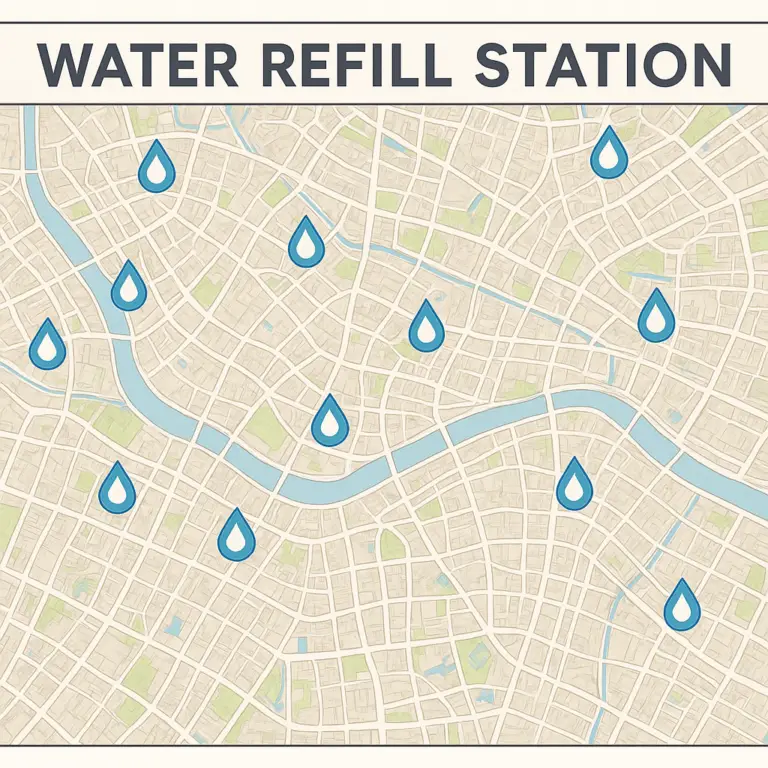
- Refill & Reuse Systems: Beyond individual reusable bottles, we anticipate more widespread “water on tap” refill stations in stores, cafes, and public spaces, potentially even subscription models where brands collect and sanitize their own reusable containers.
- Edible Packaging: Yes, you read that right! Innovations like Ooho’s edible water “pods” made from seaweed extract could revolutionize single-serve hydration for events.
- Smart Packaging: Bottles with QR codes that provide instant, detailed information on sourcing, carbon footprint, and social impact, making transparency even more accessible.
-
Hyper-Local Sourcing & Decentralized Production:
- Instead of large bottling plants, imagine micro-bottling operations closer to urban centers, potentially even utilizing advanced filtration of local municipal water with minimal environmental impact. This would drastically reduce transportation emissions.
- Our Take: This aligns perfectly with the “go local” ethos and could be a game-changer for reducing carbon footprints.
-
Enhanced Water Stewardship Technologies:
- AI and IoT for Water Management: Using artificial intelligence and the Internet of Things (IoT) to precisely monitor water levels, quality, and extraction rates in real-time, ensuring optimal sustainability and preventing overuse.
- Water Positive Initiatives: Brands not just aiming for net-zero water usage, but actively replenishing more water than they extract, through large-scale conservation and restoration projects.
-
Blockchain for Transparency:
- Imagine scanning a QR code on your bottle and seeing an immutable record of its journey: from the exact source coordinates, to the bottling date, to the carbon offset certificates, all verified on a blockchain. This would eliminate greenwashing entirely.
Persistent Challenges Ahead 🚧
Despite these exciting innovations, ethical water brands face significant hurdles:
- Scaling Sustainable Solutions: Many innovative packaging solutions are still more expensive or harder to produce at the massive scale required by the global bottled water market.
- Consumer Education & Behavior Change: Convincing consumers to consistently choose ethical options, especially when they might be slightly more expensive or less convenient, remains a challenge. The featured YouTube video highlights that “the bottled water industry’s growth is less about consumer demand for a better product and more about ‘proprietary branding’ and ‘market manipulation.'” Overcoming this ingrained perception requires continuous effort.
- Infrastructure for Recycling & Composting: Even with the best intentions, if local recycling or composting facilities aren’t equipped to handle new materials, the ethical impact is diminished. This requires systemic change beyond individual brands.
- Regulatory Gaps: Lack of consistent global regulations for water extraction, plastic use, and ethical labor can create loopholes and make it harder for truly ethical brands to compete against less scrupulous players.
- Water Scarcity & Climate Change: The overarching threat of global water scarcity, exacerbated by climate change, will continue to put immense pressure on all water sources, making ethical stewardship more critical (and challenging) than ever.
Our Water Brands™ Perspective: “The future isn’t just about new materials or technologies,” muses one of our senior health professionals. “It’s about a fundamental shift in how we value water itself. It’s about recognizing it as a precious, shared resource, not just a commodity. The brands that truly embrace this philosophy, and back it up with verifiable action, are the ones that will thrive and lead us towards a more hydrated, healthier planet.”
The path forward for ethical water brands is one of continuous evolution, driven by innovation, consumer demand, and an unwavering commitment to planetary and social well-being. It’s a journey we’re excited to be on, and we invite you to join us, one ethical sip at a time. What will you look for in your next bottle of water?
📝 Conclusion: Making a Splash with Ethical Choices

Phew! What a journey through the crystal-clear waters of ethical bottled water practices. From understanding the core principles of transparency, sustainability, and fair labor, to exploring innovative packaging and top-rated brands making a real difference, we’ve covered the full spectrum of what it means to sip responsibly.
If you take one thing away from this deep dive, it’s this: ethical water brands are more than just purveyors of hydration—they are stewards of our planet and communities. Choosing them means supporting companies that protect water sources, reduce environmental impact, and uplift workers and local people.
Wrapping Up Our Top Ethical Brands
Our detailed ratings and analyses showed that brands like One Water, Highland Spring, and Brecon Carreg stand out for their holistic commitment to ethics—from sustainable sourcing to innovative packaging and social impact. Meanwhile, brands such as JUST Water and Boxed Water Is Better are pushing the envelope on packaging innovation with plant-based cartons and strong environmental missions.
On the flip side, some large multinational brands still face challenges with transparency, plastic use, and sourcing controversies. But even these giants are beginning to respond to consumer demand for better practices, signaling positive change ahead.
Final Thoughts from Water Brands™
Remember the unresolved question we teased earlier: Is bottled water really worth it, ethically speaking? The answer is nuanced. If you must choose bottled water, opt for brands that demonstrate genuine ethical practices—those transparent about their sourcing, packaging, and social impact. Better yet, consider reusable bottles and filtered tap water as your first choice.
Ethical water brands are not a perfect solution, but they represent a vital step forward in a complex industry. By making informed choices, you become part of the ripple effect that drives positive change—one bottle, one sip, one community at a time.
So, next time you reach for a bottle, ask yourself: Is this water doing good for me, for the planet, and for the people? If the answer is yes, you’re making a splash with your ethical choice. 💧🌍
🔗 Recommended Links for Ethical Water Brand Insights
Ready to shop smart and support ethical hydration? Here are direct links to some of our favorite brands and helpful resources:
- Highland Spring: Amazon | Walmart | Highland Spring Official Website
- Brecon Carreg: Amazon | Brecon Carreg Official Website
- One Water: Amazon | One Water Official Website
- JUST Water: Amazon | Walmart | JUST Water Official Website
- Boxed Water Is Better: Amazon | Walmart | Boxed Water Official Website
- Pathwater: Amazon | Walmart | Pathwater Official Website
- Icelandic Glacial: Amazon | Walmart | Icelandic Glacial Official Website
- Flow Alkaline Spring Water: Amazon | Walmart | Flow Water Official Website
- Waiākea Hawaiian Volcanic Water: Amazon | Walmart | Waiākea Official Website
- Voss: Amazon | Walmart | Voss Official Website
- LIFEWTR: Amazon | Walmart | LIFEWTR Official Website
- Evian: Amazon | Walmart | Evian Official Website
- SodaStream (Fizzy Water Maker): Amazon | Walmart | SodaStream Official Website
Recommended Books on Ethical Water and Sustainability
- Blue Future: Protecting Water for People and the Planet Forever by Maude Barlow
Amazon Link - Water Ethics: Foundational Readings for Students and Professionals by David Groenfeldt
Amazon Link - Bottled and Sold: The Story Behind Our Obsession with Bottled Water by Peter H. Gleick
Amazon Link
❓ FAQ: Your Burning Questions About Ethical Water Brands Answered

What defines ethical water brand practices?
Ethical water brand practices encompass transparent sourcing, environmental stewardship, sustainable packaging, fair labor practices, and community engagement. Brands committed to ethics disclose their water sources, minimize environmental impact (especially plastic waste and carbon emissions), ensure fair treatment of workers, and support local communities. Certifications like B Corp or Carbon Neutral status often validate these claims.
How do water brands ensure sustainable sourcing?
Sustainable sourcing means extracting water at rates that allow natural replenishment, protecting ecosystems, and respecting community water rights. Ethical brands conduct hydrological studies, engage with local stakeholders, and invest in conservation projects. They avoid over-extraction and prioritize local sources to reduce transportation emissions.
What are the environmental impacts of bottled water brands?
Bottled water production impacts the environment through plastic waste, carbon emissions from manufacturing and transportation, and water resource depletion. The water footprint includes not just the water in the bottle but also water used in production processes. Ethical brands work to reduce these impacts via recycled packaging, local sourcing, renewable energy use, and carbon offsetting.
Which water brands prioritize fair labor practices?
Brands like Flow Alkaline Spring Water (a Certified B Corp) emphasize fair labor practices, including safe working conditions and fair wages. While less visible than environmental issues, ethical brands ensure fair treatment across their supply chains, often verified through certifications and transparent reporting.
How can consumers identify ethically produced water?
Look for transparency in sourcing and production, third-party certifications (B Corp, Carbon Neutral, FSC), and sustainable packaging labels (100% rPET, aluminum, FSC-certified cartons). Research brand websites for detailed sustainability reports and social impact initiatives. Avoid vague claims and brands with histories of environmental or labor controversies.
What role do water brands play in community development?
Ethical water brands engage with local communities by supporting water infrastructure, conservation projects, and fair economic opportunities. Brands like One Water donate profits to clean water projects worldwide, directly improving health and livelihoods. Community engagement ensures that water extraction benefits, rather than harms, local people.
How do ethical water brands contribute to water conservation?
They implement water-efficient technologies in bottling, monitor extraction rates to avoid depletion, and invest in watershed protection and restoration projects. Some brands aim for “water positive” status, replenishing more water than they use. Practices like these help maintain ecosystem balance and ensure long-term water availability.
Are bottled water brands moving towards zero waste?
Many ethical brands are innovating with reusable bottles, aluminum cans, and plant-based cartons to reduce single-use plastic waste. Some offer bottle return programs or encourage refilling. While zero waste is a challenging goal, progress is accelerating with consumer demand and technological advances.
Is purified water ethical compared to spring or mineral water?
Purified water often comes from municipal sources and undergoes filtration, which can reduce environmental impact related to sourcing natural springs. However, packaging and corporate practices still heavily influence ethics. Brands like LIFEWTR are improving packaging sustainability, but spring and mineral waters from protected sources with strong stewardship often score higher ethically.
📚 Reference Links and Further Reading
- The Good Shopping Guide: Ethical Bottled Water
- Starbucks C.A.F.E. Practices and Water Stewardship
- Highland Spring Official Website
- One Water Official Website
- JUST Water Official Website
- Boxed Water Is Better Official Website
- Pathwater Official Website
- Icelandic Glacial Official Website
- Flow Water Official Website
- Waiākea Official Website
- Voss Official Website
- LIFEWTR Official Website
- Evian Official Website
- B Corporation Certification
- Carbon Trust Certification
- Forest Stewardship Council (FSC)
- NSF International
Ready to make waves with your next water choice? Dive into our recommended brands and resources, and join the movement for ethical hydration! 💧🌍